2026 Top Detachable Container House Trends for Global Buyers

Time:2026-03-30 Author:Sienna
0%

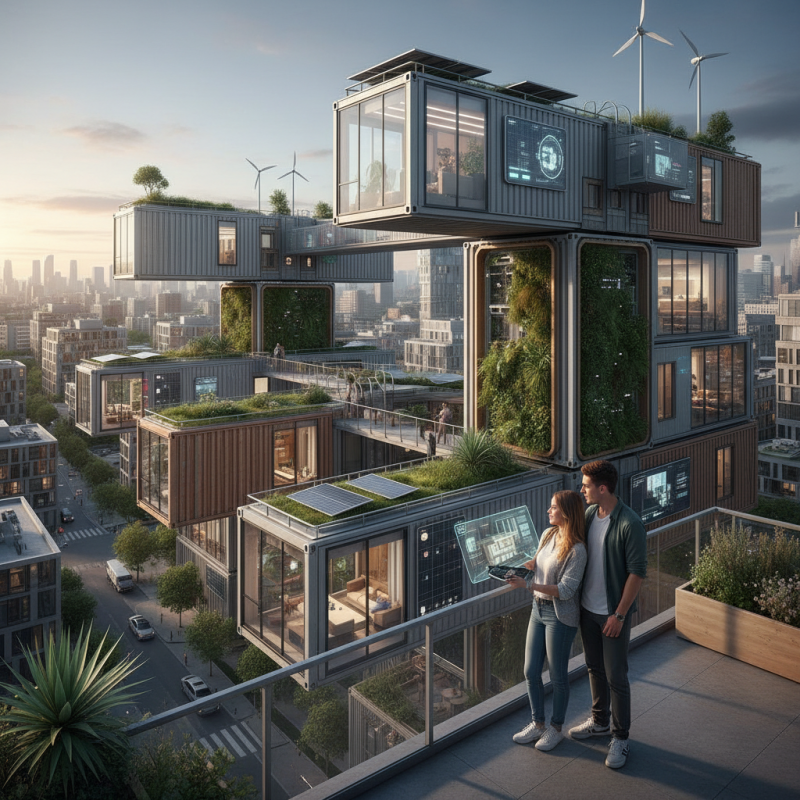
In recent years, the Detachable Container House has gained immense popularity among global buyers. This innovative housing solution offers flexibility, cost-effectiveness, and sustainability. The trend is not just a fleeting moment; it reflects a growing need for adaptable living spaces in urban areas.

As we approach 2026, several key trends are emerging within this sector. Buyers are looking for customization options that reflect their lifestyle and preferences. Features such as eco-friendly materials and smart home technology are becoming standard. However, potential buyers often overlook the need for proper insulation and structural integrity.

Moreover, while the appeal of a Detachable Container House is clear, there are challenges that must be addressed. Some structures may lack durability, raising concerns about long-term investment. Buyers must weigh these factors carefully. Understanding these trends can empower potential owners to make informed decisions about their housing needs.
2026 Top Detachable Container House Trends for Global Buyers

Future Prospects of Detachable Container Houses in 2026

Detachable container houses are evolving rapidly, with 2026 showcasing their potential in sustainable living. Many global buyers are now considering these versatile homes for various purposes. They are being used as temporary housing, offices, and even pop-up shops. The flexibility to easily relocate them is appealing in today’s fast-paced world.

However, the industry faces challenges. The design of container houses still needs refinement for better insulation. Many existing models struggle with indoor climate control. Buyers must be aware of these factors before committing. Additionally, local regulations can affect installation and usage. It is essential to research requirements in your area.

Despite these imperfections, the future looks bright. The demand for affordable housing continues to rise. Innovations in eco-friendly materials and energy-efficient solutions are on the horizon. As consumers prioritize sustainability, container homes are likely to gain further traction. Embracing this trend can lead to practical and innovative living solutions.

Innovative Designs Shaping the Container House Market

In recent years, the container house market has witnessed innovative designs that redefine living spaces. According to a 2023 industry report, the global modular construction market is projected to reach $157 billion by 2026. This growth reflects a shift in consumer preferences toward adaptable and sustainable housing solutions. Detachable container homes are leading this trend, appealing to families and businesses alike.

These designs often feature eco-friendly materials and versatile layouts. Buyers increasingly favor containers that can be expanded or reconfigured. Modular elements allow customization, addressing both aesthetic desires and functional needs. A recent study highlighted that 70% of homeowners prefer designs that maximize space for both living and working.

Tips: Consider how the design can adapt as your needs change. Look for features like removable walls or expandable sections. These innovations not only enhance living comfort but also promote sustainability. Reflect on what aspects matter most to you when choosing a container home, such as cost, mobility, or energy efficiency.

Sustainable Materials and Eco-Friendly Practices in Container Homes

The rise of detachable container homes reflects a growing demand for sustainable living. Light-weight materials play a crucial role in these structures. They enhance mobility and reduce environmental impact. Features like insulation made from recycled materials can keep energy costs low.

Adopting eco-friendly practices is essential. Rainwater collection systems can be integrated into designs. Solar panels on roofs help minimize reliance on traditional power sources. However, challenges remain; achieving efficient waste management in these homes is complex. Sustainable solutions often require ongoing innovations and community engagement.

Investing in training for builders on sustainable techniques is vital. Many lack knowledge of eco-friendly practices. This gap can hinder progress in the industry. Homebuyers must be informed about materials and their life cycles. Transparency is crucial for making responsible choices.

2026 Top Detachable Container House Trends for Global Buyers - Sustainable Materials and Eco-Friendly Practices in Container Homes

Trends Description Sustainable Materials Eco-Friendly Practices
Modular Design Flexible configurations to suit various needs. Recyclable steel and reclaimed wood Low-energy production processes
Green Roofs Natural insulation and rainwater management. Native plants and minimal irrigation systems Promoting biodiversity
Solar Integration Incorporating solar panels for energy independence. Photovoltaic materials Net zero energy buildings
Water Conservation Systems for managing and recycling water use. Rainwater harvesting systems Eco-friendly plumbing fixtures
Natural Lighting Design features to maximize sunlight exposure. Large windows and skylights Energy-efficient glazing

Global Market Trends Affecting Buyer Preferences for Container Houses

The global market for detachable container houses is evolving rapidly. According to a report by Research and Markets, the container housing market is projected to grow at a CAGR of 6.5% from 2021 to 2026. This growth is driven by increasing urbanization and the need for affordable housing. Buyers are influenced by trends such as sustainability and mobility.

Sustainability is a key preference for today's buyers. Many consumers prioritize eco-friendly materials in their housing options. Reports indicate that up to 30% of buyers are willing to pay more for sustainable living solutions. Additionally, mobility is becoming essential. Modular and detachable designs offer flexibility in relocation. This feature attracts urban dwellers who frequently move for jobs or lifestyle changes.

Yet, challenges exist. Buyers often face concerns around logistics and zoning regulations. The shift toward container houses may not be as smooth as anticipated. Gaps in buyer education persist regarding the structural integrity and long-term durability of these homes. As preferences evolve, the market must adapt to ensure both buyer satisfaction and compliance with local regulations.

Technological Advancements Enhancing the Functionality of Container Homes

The rise of container homes is transforming how we think about living spaces. Technological advancements play a key role in enhancing their functionality. Modern container houses now include smart home features, energy-efficient systems, and integrated renewable energy sources, making life more convenient and sustainable.

One notable improvement is the use of advanced insulation materials. These materials help regulate temperature, making containers suitable for diverse climates. However, some designs still struggle with humidity control. Innovations in window technology also allow for natural light while minimizing energy loss. Despite these advancements, some may find the aesthetics lacking compared to traditional homes.

The modular nature of container homes offers flexibility but can lead to issues with space optimization. Architects and designers are now experimenting with layouts to maximize utility. There is still work to be done in ensuring these homes meet diverse needs. Overall, as technology evolves, container homes become increasingly appealing to global buyers, blending style with sustainability.

FAQS

: What are the benefits of using lightweight materials in container homes?

: Lightweight materials enhance mobility and reduce environmental impact. They also allow for easier transport and installation.

How can energy costs be minimized in container homes?

Insulation made from recycled materials can help maintain temperature. This results in lower energy consumption.

What eco-friendly practices can be included in container home designs?

Rainwater collection systems and solar panels are effective. These features reduce reliance on traditional water and power sources.

What challenges do container home builders face?

Efficient waste management is complex. Many builders lack knowledge of sustainable techniques, which can slow progress.

How important is homeowner education in the container housing market?

It's crucial. Homebuyers must understand materials and their life cycles for informed choices.

Why is sustainability a key trend for buyers?

Many buyers prioritize eco-friendly materials. About 30% are willing to pay more for sustainable living solutions.

What role does mobility play in container home preferences?

Buyers value modular designs that allow for flexible relocation. This is particularly appealing for urban dwellers.

What obstacles might buyers encounter when choosing container homes?

Logistics and zoning regulations can create challenges. The transition may be more complicated than expected.

Are there gaps in buyer knowledge about container homes?

Yes, many buyers are unaware of structural integrity and long-term durability. This knowledge gap can impact their decisions.

What is the projected growth rate for the container housing market?

The container housing market is expected to grow at a CAGR of 6.5% from 2021 to 2026.

Conclusion

The article "2026 Top Detachable Container House Trends for Global Buyers" explores the future landscape of detachable container houses, highlighting key trends and innovations. As we look toward 2026, the demand for these versatile living spaces continues to grow, driven by innovative designs that cater to aesthetic and functional needs. Sustainable materials and eco-friendly practices are becoming integral to the production of container homes, reflecting a global shift towards environmentally conscious living.

Moreover, the article discusses how global market trends influence buyer preferences, emphasizing the importance of adaptability in design. Technological advancements further enhance the functionality of detachable container houses, introducing smart home technologies and improved insulation solutions. Collectively, these elements signify a promising future for detachable container houses, positioning them as a practical and sustainable option for modern living.

Sienna

Sienna

Sienna is a skilled marketing professional with a deep expertise in our company’s core products and services. With a passion for innovation and detail, she plays a pivotal role in crafting insightful blog posts that not only highlight the unique features of our offerings but also provide valuable......