In recent years, the concept of the Prefab Container House has gained immense popularity. These structures provide innovative solutions for modern living. They are often affordable, energy-efficient, and can be customized to meet various needs.
However, the appeal of prefab homes can sometimes overshadow the challenges they pose. While many designs are stunning, not all offer the same level of comfort. Sizing issues can occur, and one may find living space to be limited. The aesthetics of the container might not blend well with certain environments.
Exploring the best Prefab Container House designs reveals a diverse range of options. From minimalistic styles to more luxurious arrangements, there is something for everyone. Yet, careful consideration is required to ensure that these homes truly meet practical needs and lifestyle choices. The journey towards selecting the perfect design should begin with a candid assessment of both strengths and potential drawbacks.
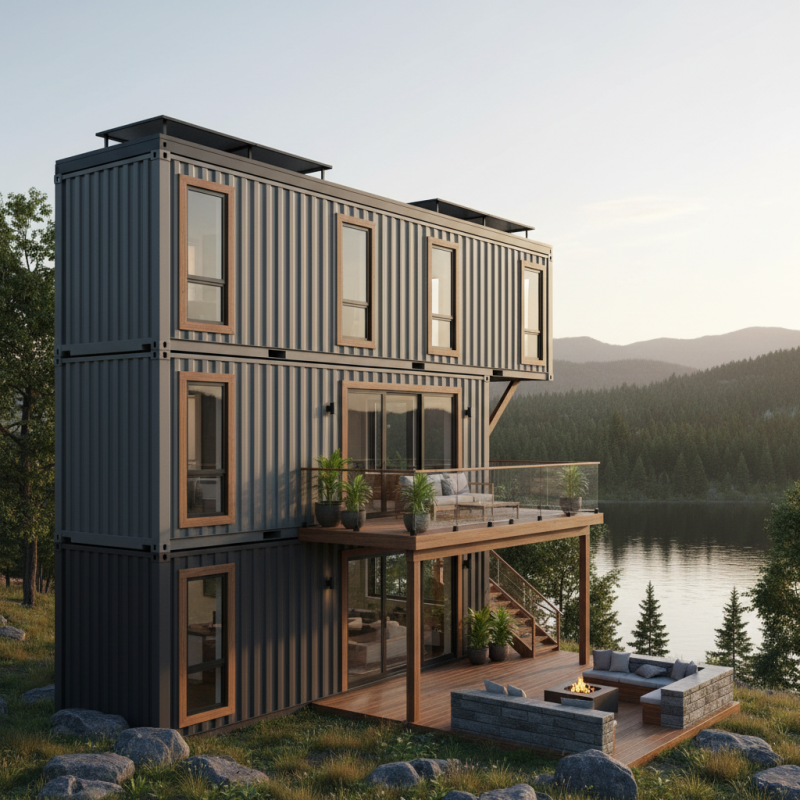
Prefab container houses are gaining popularity for modern living. These structures offer unique benefits, making them an attractive option for many. According to a report from IBISWorld, the prefab housing market is expected to grow by 7.4% annually through 2025. This increase highlights a shift towards more sustainable and cost-effective housing solutions.
One major advantage of prefab container houses is their eco-friendliness. They often utilize recycled materials, reducing waste. Studies show that using shipping containers can minimize the carbon footprint of construction by up to 50%. This is a significant benefit in an age of increasing environmental consciousness. Additionally, container homes are incredibly versatile. They can be easily modified and expanded, allowing for personalized living spaces.
Tips: Consider the insulation needs when building. Not all containers are designed for extreme climates. You may need to invest in additional insulation, especially in colder areas. Moreover, research local zoning laws. Container homes might face regulations that differ from traditional housing, which can complicate building plans. Pay attention to these details to ensure a smooth process.
When exploring modern prefab container homes, key design features stand out. These homes often maximize space and efficiency. Large windows invite natural light, creating a warm atmosphere. Open floor plans enhance flow, making small spaces feel larger. High ceilings can also contribute to a feeling of spaciousness.
Tip: Consider incorporating multifunctional furniture. For example, a sofa bed can save energy and space. This flexibility is vital in smaller homes.
Sustainability plays a crucial role in modern designs. Many container homes use recycled materials. Solar panels and green roofs further minimize their environmental impact. However, it can be challenging to balance aesthetics with functionality. Some designs may appear too stark or industrial. Finding the right materials and finishes is essential.
Tip: Don't hesitate to experiment with colors and textures. A bold accent wall can transform a simple space. Natural wood elements can add warmth, creating a homely feel amidst steel. Embrace imperfections; they often add character and charm.
Container homes have gained popularity due to their unique aesthetics and versatility. Many designers embrace industrial, minimalist, and eco-friendly styles. According to a recent survey, about 70% of container home buyers prefer modern designs that emphasize simplicity and utility. These homes often feature clean lines and open spaces, creating a sense of harmony with nature.
Color palettes also play a crucial role in container home design. Earthy tones and vibrant accents are on-trend. Interestingly, a report from the Container Housing Association noted that homes painted in bold colors sell 30% faster. However, some designs can feel too stark. It’s essential to balance modernity with warmth. Blending natural materials, such as wood and stone, can enhance the aesthetic.
Yet, not every design meets its purpose. Some homeowners focus too much on looks and neglect functionality. For instance, improper insulation can lead to energy inefficiencies. A well-designed container home should not just please the eye. It must also cater to comfort and sustainability. Finding this balance can be a challenging but rewarding journey.
Container house construction embraces sustainability by repurposing metal shipping containers. These versatile structures can minimize waste and reduce environmental impact. Instead of traditional materials, using containers can create innovative designs with a lower carbon footprint. Many builders are opting for solar panels and rainwater collection systems. But, achieving optimal energy efficiency can require careful planning.
Incorporating sustainable practices often presents challenges. For instance, insulation is crucial for climate control. Some designs overlook this, leading to uncomfortable living conditions. Also, while container homes are designed to be modular, ensuring structural integrity is vital. Each connection point must be meticulously assessed. Creative thinkers face trade-offs, such as aesthetic appeal versus functionality.
Additionally, landscaping around a container house can enhance sustainability. Native plants require less water and maintenance. Some may worry about integrating greenery into the rigid lines of a container. Yet, with thoughtful design, the two can coexist beautifully. Balancing modern living with nature often takes experimentation. This journey creates a unique dialogue between the structure and its surroundings.
| Design Name | Size (sq ft) | Number of Rooms | Sustainable Features | Estimated Cost ($) |
|---|---|---|---|---|
| Eco Cube | 320 | 1 | Solar Panels, Rainwater Harvesting | $25,000 |
| Minimalist Retreat | 400 | 1 | Green Insulation, Energy-Efficient Windows | $30,000 |
| Family Haven | 640 | 2 | Compost Toilet, Solar Water Heater | $45,000 |
| Urban Oasis | 500 | 1 | Vertical Garden, Recycled Materials | $35,000 |
| Coastal Retreat | 750 | 3 | Wind Turbine, High-efficiency HVAC | $60,000 |
When considering container homes, budgeting is key. The costs can vary widely. A basic container might start at $2,000. However, custom designs can reach $50,000 or more. Additional expenses include land, permits, and utility installations. Don’t forget to factor in interior finishes. This is where costs can spiral.
Tips: Start with a clear budget. Break down each expense. This will help manage your finances. Research local regulations. Some areas have strict building codes for container homes. Getting these details sorted early can save money.
Always account for surprises. Unexpected repairs or design changes can add to costs. It’s wise to set aside a contingency fund. Sometimes, a great design idea might be more costly than expected, so evaluate choices carefully. Balancing style and budget can be challenging.
Remember, spending less doesn't mean sacrificing quality. A well-planned container home can be both attractive and affordable. Embrace simplicity. This often leads to creative solutions that enhance your living space.
: They are eco-friendly, versatile, and can reduce waste. They minimize the carbon footprint of construction significantly.
Basic containers start around $2,000, while custom designs may exceed $50,000. Additional costs include land and permits.
Insulation needs depend on climate. In colder areas, investing in extra insulation is essential to maintain comfort.
Balance modern aesthetics with warmth. Use natural materials like wood and stone for a more inviting space.
Local zoning laws may differ for container homes. Researching these regulations can prevent complications during building.
Create a clear budget and break down costs. Always set aside a contingency fund for unexpected expenses.
Many prefer industrial, minimalist, and eco-friendly styles, emphasizing clean lines and open spaces for harmony with nature.
Yes, prioritizing looks over practicality can lead to energy inefficiencies and discomfort. Functionality must not be overlooked.
Earthy tones with vibrant accents are trendy. Bold colors can help homes sell faster but require thoughtful balance.
Spending less doesn't mean sacrificing quality. Embrace simplicity for creative and cost-effective design solutions.
Prefab Container Houses have emerged as a popular solution for modern living, offering a range of benefits from cost-effectiveness to quick construction times. These innovative homes capitalize on the unique features of shipping containers, allowing for versatile designs that cater to various lifestyles. The key design features often include open floor plans, large windows, and multi-functional spaces, creating a contemporary aesthetic that blends seamlessly with different environments.
In addition to their appealing aesthetics, modern prefab container homes prioritize sustainability by utilizing recycled materials and reducing waste during construction. When considering a prefab container house, potential homeowners should also account for crucial cost factors, such as site preparation and utility installation, to effectively budget for their new living space. Overall, prefab container houses present an exciting option for those looking to embrace a modern, efficient, and eco-friendly lifestyle.

ZHONGHUI HOLDINGS