The 139th Canton Fair is a significant event for businesses seeking innovative solutions. One notable trend is the rise of the Folded Container House. These structures represent a modern approach to housing solutions, combining efficiency and sustainability. With an upcoming focus on construction materials, this fair presents an excellent opportunity for builders and suppliers to showcase their offerings.
AI-driven features at the fair will enhance the experience for buyers. Attendees can effortlessly find qualified suppliers with certifications like ISO and CE. These advancements save time and improve navigation within the vast exhibition space. However, the demand for Folded Container Houses may require additional discussions on durability and adaptability to various environments.
Choosing the right Folded Container House involves careful consideration of design, functionality, and supplier reliability. Attendees must reflect on whether these solutions meet local building codes and customer expectations. Despite the excitement around these innovations, it’s essential to address potential challenges in integrating these structures into diverse markets.
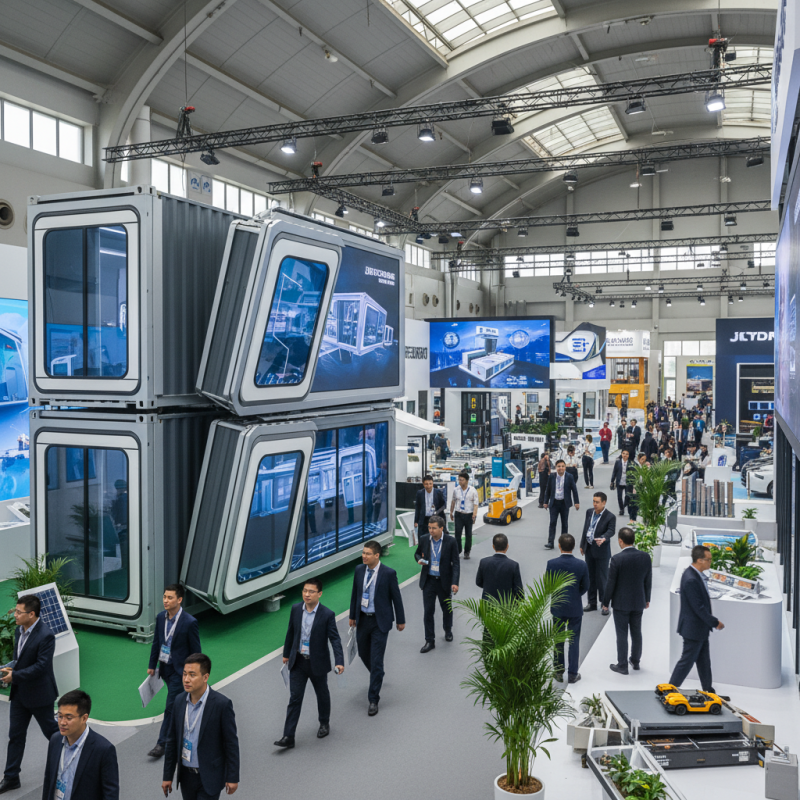
Choosing folded container houses at the Canton Fair can be challenging. There are several factors to consider before making a decision.
First, analyze the design and size of the container. It’s vital to match the structure with your intended use. Whether it's for living, storage, or office space, the design must be functional. Ensure the size accommodates your needs without feeling cramped. The layout can dictate the overall comfort of the space.
Next, consider the materials used in construction. Look for durable, weather-resistant options. High-quality insulation is another key aspect. Poor insulation may lead to uncomfortable conditions in extreme weather. Check for energy efficiency ratings. This can save money in the long run. Lastly, evaluate the price range. Sometimes, cheaper options come with hidden costs. Think about the long-term investment versus initial savings. Reflect on these aspects to make a well-informed choice.
| Factor | Description | Benefits | Considerations |
|---|---|---|---|
| Size | Evaluate the dimensions that fit your intended space. | Optimizes usage of available space. | Ensure the size meets your functional needs. |
| Material | Choose between steel, wood, or other materials based on durability. | Increases longevity and resistance to weather. | Different materials impact price and maintenance requirements. |
| Insulation | Assess the insulation properties for climate control. | Improves comfort and energy efficiency. | Higher insulation may increase initial costs. |
| Design | Look for functionality and aesthetic appeal. | Enhances user experience and satisfaction. | Ensure design aligns with intended use and zoning regulations. |
| Mobility | Determine if the container needs to be relocated frequently. | Facilitates easy transportation and flexibility. | Consider transport costs and logistics. |
: Analyze the design, size, materials, insulation, energy efficiency, and price range.
The design determines functionality. It should match your intended use for comfort and space.
High-quality materials ensure durability and longevity, impacting your investment greatly.
Look for durable options like high-quality steel. Avoid lightweight materials that may fail in extreme weather.
Check the energy efficiency ratings. Poor insulation can lead to higher heating and cooling costs.
Cheaper choices may have hidden costs. Reflect on long-term benefits rather than initial savings.
Eco-friendly materials lower your carbon footprint. Consider sustainable options for long-term benefits.
Some insulation may not meet R-value standards, increasing your expenses over time.
A well-planned layout enhances comfort and usability, avoiding cramped feelings.
It’s tempting, but quality materials often bring better value and livability in the long run.
When choosing a Folded Container House, several critical factors must be considered to ensure optimal functionality and value. Key elements include the analysis of material quality, which directly impacts durability and safety, as well as evaluating the overall cost-effectiveness of these innovative dwellings. Understanding the environmental impact and sustainability of container homes is essential, as it aligns with growing demands for eco-friendly living solutions.
Additionally, staying informed about recent trends and innovations in the Folded Container Housing market can provide insights into the latest designs and technologies. This knowledge enables potential buyers to make informed decisions, ensuring that their investment meets both their needs and contributes positively to sustainable living practices.

 ZHONGHUI HOLDINGS