In recent years, the concept of Prefab House Malaysia has gained significant traction in the housing market. As housing prices soar, many are looking for cost-effective and efficient building solutions. A prefab house, constructed off-site and then assembled on location, offers significant advantages in time and cost savings. According to a report by the Malaysian Construction Industry Development Board, modular construction can reduce building time by up to 50%.
However, the prefab industry faces challenges. Limited public awareness and misconceptions about quality remain prevalent. Industry expert Dr. Amirul Rahman, a noted architect in sustainable design, states, “Prefab houses present an innovative solution, yet misconceptions hinder their acceptance.” Quality control and sustainable practices in manufacturing remain vital.
While prefab houses are quick to build, they must meet local regulations and standards. Balancing speed and compliance can be difficult. As the market evolves, addressing these challenges is key. Prefab House Malaysia is more than just a trend; it symbolizes a shift towards smarter, sustainable living in the country.
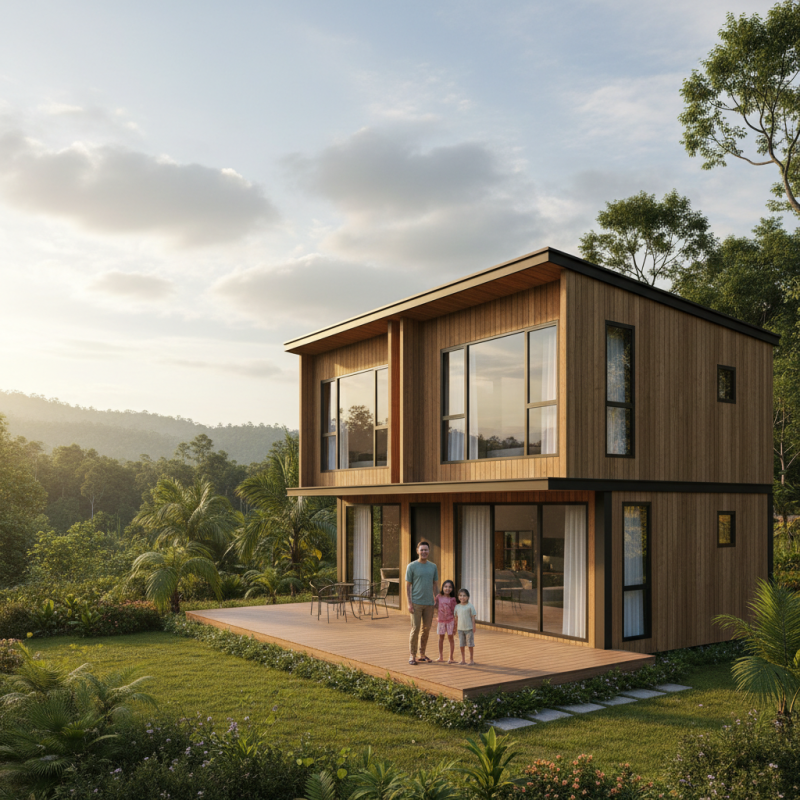
What is a Prefab House?
Prefab houses, or prefabricated houses, are structures built from factory-made components. In Malaysia, they are gaining popularity due to their efficiency. These homes come in parts, which are assembled on-site. This process can take a few weeks, depending on design and customization. Many people appreciate the speed of construction. However, quality control can vary.
One of the main benefits of prefab houses is cost-effectiveness. They can often be more affordable than traditional homes. The materials used are designed to be durable and sustainable. Yet, there might be concerns regarding insulation and noise levels. This can affect comfort.
The design flexibility is another appealing aspect. Homeowners can choose from various styles and configurations. However, some may find the limited customization options frustrating. It’s essential to consider personal preferences carefully. While prefab houses offer speed and affordability, they also require thoughtful reflection on needs and lifestyle.
Types of Prefab Houses in Malaysia
Prefab houses in Malaysia come in various types, each serving different needs and preferences. One popular option is the modular house. These homes are built from pre-made sections. They are assembled on-site, which makes them faster to construct. Research shows that modular construction can reduce building time by up to 50%. This technique also minimizes waste, as the components are manufactured in controlled environments.
Another type is the panelized house. These houses consist of panels that are manufactured off-site. The panels include pre-insulated walls and roofs. This results in improved energy efficiency. According to industry reports, energy-efficient homes can lead to savings of up to 30% on utility bills compared to traditional homes.
However, there are some challenges. Some buyers worry about the durability of prefab materials. Not all prefab houses can withstand extreme weather conditions. The perception of quality differs widely among consumers. Homebuyers should do careful research. Not every company meets the same standards. The price can also vary significantly, depending on the materials used and design choices.
How Prefab Houses Are Constructed
Prefab houses in Malaysia are gaining popularity due to their efficiency and cost-effectiveness. These homes are constructed using pre-manufactured components, which are assembled on-site. This method reduces construction time significantly. According to a report by Research and Markets, the global prefabricated housing market is expected to grow by 4.5% annually.
The construction of prefab houses involves several stages. First, detailed designs are created. Then, components like walls and roofs are manufactured in a factory. These parts are then transported to the building site for assembly. This process minimizes waste and utilizes less labor compared to traditional construction methods.
Tip: Always choose a reliable manufacturer. Research their past projects and customer feedback. Look for certifications that ensure quality standards are met.
Despite the advantages, challenges exist. Weather conditions can affect assembly timelines. Also, customization options might be limited compared to traditional homes. It's essential to weigh these factors before investing in a prefab house.
Tip: Create a budget that includes potential delays. This helps avoid financial strain during the construction process. Always consider future needs; what works now might not suit you later.
Benefits of Living in a Prefab House
Prefab houses in Malaysia are gaining popularity for several reasons. One major benefit is their quick construction time. Unlike traditional homes, prefab houses can be assembled in a fraction of the time. This means families can move in sooner, reducing the headache of lengthy building processes.
Another advantage is cost efficiency. Prefab homes often require less labor, which can significantly lower overall expenses. This affordability makes homeownership possible for many who might otherwise struggle. However, the quality of materials can sometimes be a concern. It’s essential to choose a reliable source to ensure durability.
Living in a prefab house also allows for innovative design options. Many architects are experimenting with modular layouts and eco-friendly materials. This creativity inspires a unique living space. Yet, some may feel that prefab homes lack character. It’s vital to personalize these spaces, ensuring they reflect one's style and needs.
What is a Prefab House in Malaysia and How Does It Work? - Benefits of Living in a Prefab House
| Feature |
Details |
| Construction Time |
Usually completed within 3 to 6 months |
| Cost Efficiency |
Typically 10-20% cheaper than traditional homes |
| Sustainability |
Built with eco-friendly materials |
| Flexibility |
Customizable designs to suit owner’s needs |
| Mobility |
Easily disassembled and relocated if needed |
| Maintenance |
Low maintenance costs and effort |
| Aesthetic Appeal |
Modern and stylish design options available |
| Energy Efficiency |
Can incorporate energy-efficient utilities |
Challenges and Considerations of Prefab Homes
Prefab houses in Malaysia offer many benefits but also present unique challenges. One of the key considerations is the climate. With high humidity and frequent rain, materials must withstand these conditions. Insufficient insulation can lead to heat build-up. This may affect comfort in the living space.
Additionally, site preparation is crucial. Some locations may require significant grading or foundation work. If not done properly, the house may settle or shift over time. This could result in cracks or leaks. Another factor is local regulations. Understanding zoning laws can be complex. Without proper permits, homeowners may face fines or forced renovations.
Lastly, customization options can be limited. While prefab homes can be tailored, there's often less flexibility than traditional builds. Homeowners should weigh the pros and cons carefully. Each decision impacts the overall success of the project.
FAQS
: A prefab house is built from factory-made parts, assembled on-site for quicker construction.
They are cost-effective, use durable materials, and offer fast assembly, but may have insulation concerns.
Components are planned, manufactured in a factory, then transported and assembled on-site to reduce waste.
Consider your budget, climate, site preparation needs, and future requirements to ensure it fits your lifestyle.
Yes, but options may be limited compared to traditional homes, which can be frustrating for some homeowners.
Weather can delay construction, and poor site preparation can lead to future issues like cracks or leaks.
Zoning laws can be complicated. Failing to follow them may result in fines or required changes to the house.
High humidity and rain in Malaysia require materials to be resilient; otherwise, comfort may suffer.
Look into the manufacturer’s reliability, past projects, customer feedback, and quality certifications.
Thoughtful planning is necessary; what fits now may not work later, so consider future living needs carefully.
Conclusion
A prefab house in Malaysia is a type of pre-manufactured structure that is built off-site and then assembled at the intended location. There are various types of prefab houses available in Malaysia, including modular homes, panelized systems, and manufactured homes, each offering unique features. The construction of these houses involves several steps, such as fabrication in a factory and quick on-site assembly, which significantly reduces the time and cost involved in traditional building methods.
Living in a prefab house in Malaysia presents several benefits, including sustainability, reduced construction waste, and lower energy consumption. However, potential homeowners should also consider the challenges associated with prefab homes, such as limitations in design flexibility and the need for proper site preparation. Overall, the concept of prefab house Malaysia is an innovative solution addressing housing needs in a modern context.

 ZHONGHUI HOLDINGS