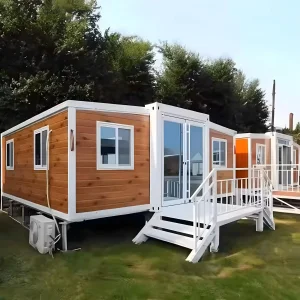
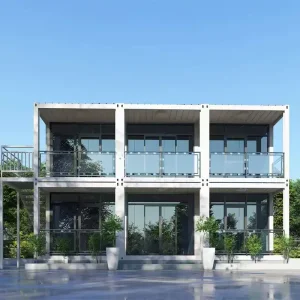
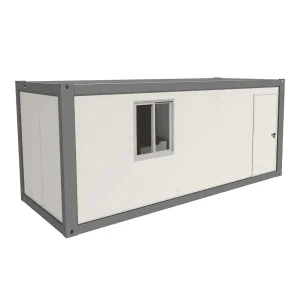
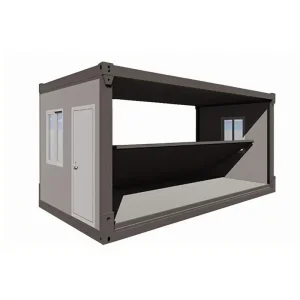
Engineered for structural resilience, swift deployment, and optimized containerized transport.
The global construction and logistics sectors are undergoing a structural shift toward prefabrication, driven by labor shortages, escalating on-site development costs, and strict ESG (Environmental, Social, and Governance) directives. Expandable storage containers and modular dwellings represent the pinnacle of this revolution. Unlike static conventional modular units, modern expandable systems leverage dynamic folding mechanics, nested wall panels, and heavy-duty pivot structural joints to compress volumetric space during transport by up to 75%, subsequently expanding on-site to provide three times their transit volume.
This space-multiplier technology addresses the core challenges of modern industrial space planning. The transition from basic steel shipping boxes to highly engineered expandable habitats is characterized by improvements in structural integrity, insulation efficiency, and modular flexibility. Today's commercial enterprises utilize these systems for rapidly deployable site offices, high-capacity disaster relief shelters, energy-sector field camps, and scalable retail configurations. The focus is on decoupling construction timelines from localized environmental and labor constraints.
B2B procurers, industrial developers, and governmental agencies place strict demands on modular steel structures. Procuring expandable containers is not merely a purchase of space, but an investment in an engineered asset that must withstand diverse environmental stressors. Understanding structural performance indicators is essential for ensuring site safety, code compliance, and return on investment.
Critical engineering considerations during the evaluation of manufacturers include:
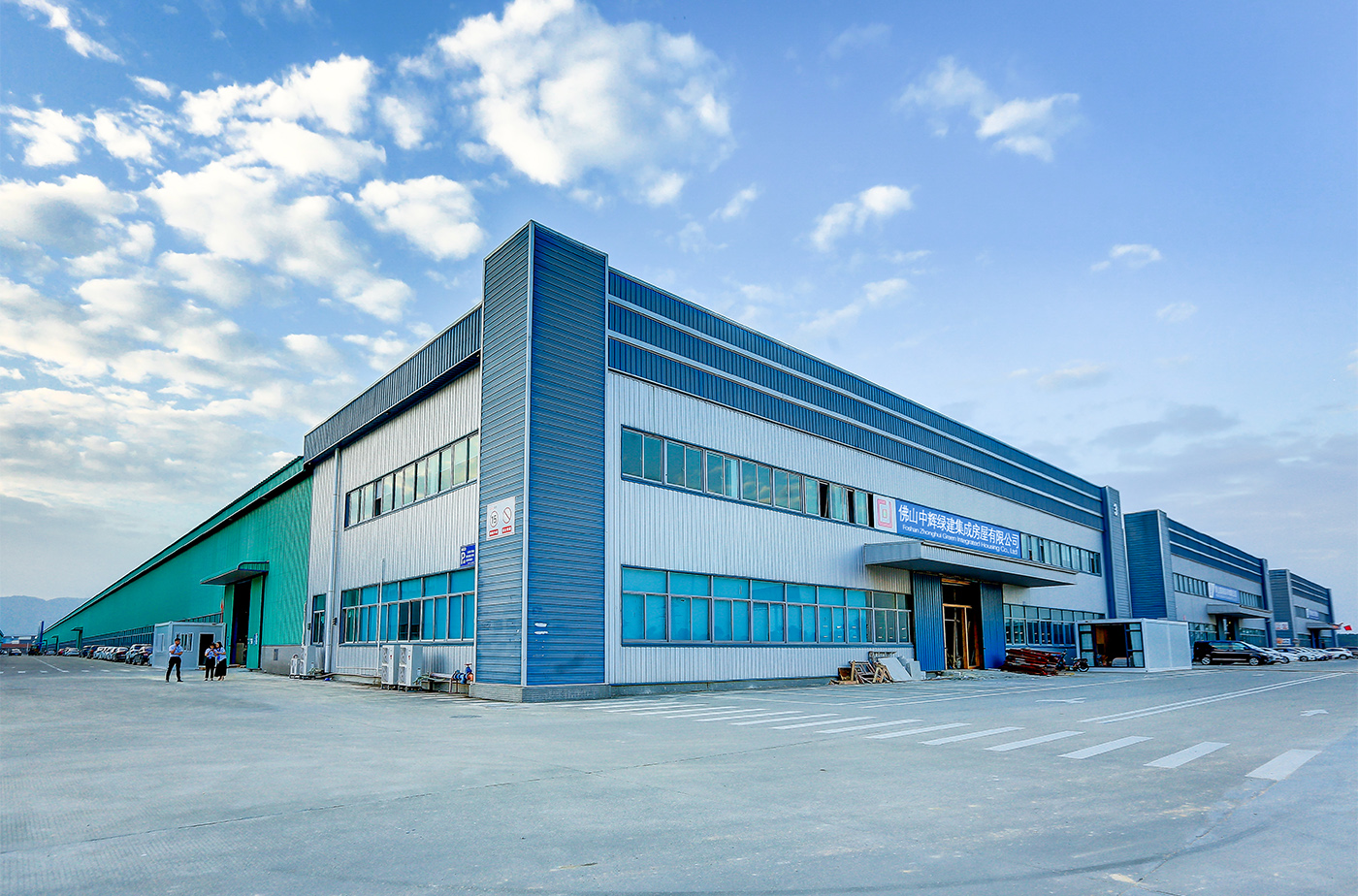
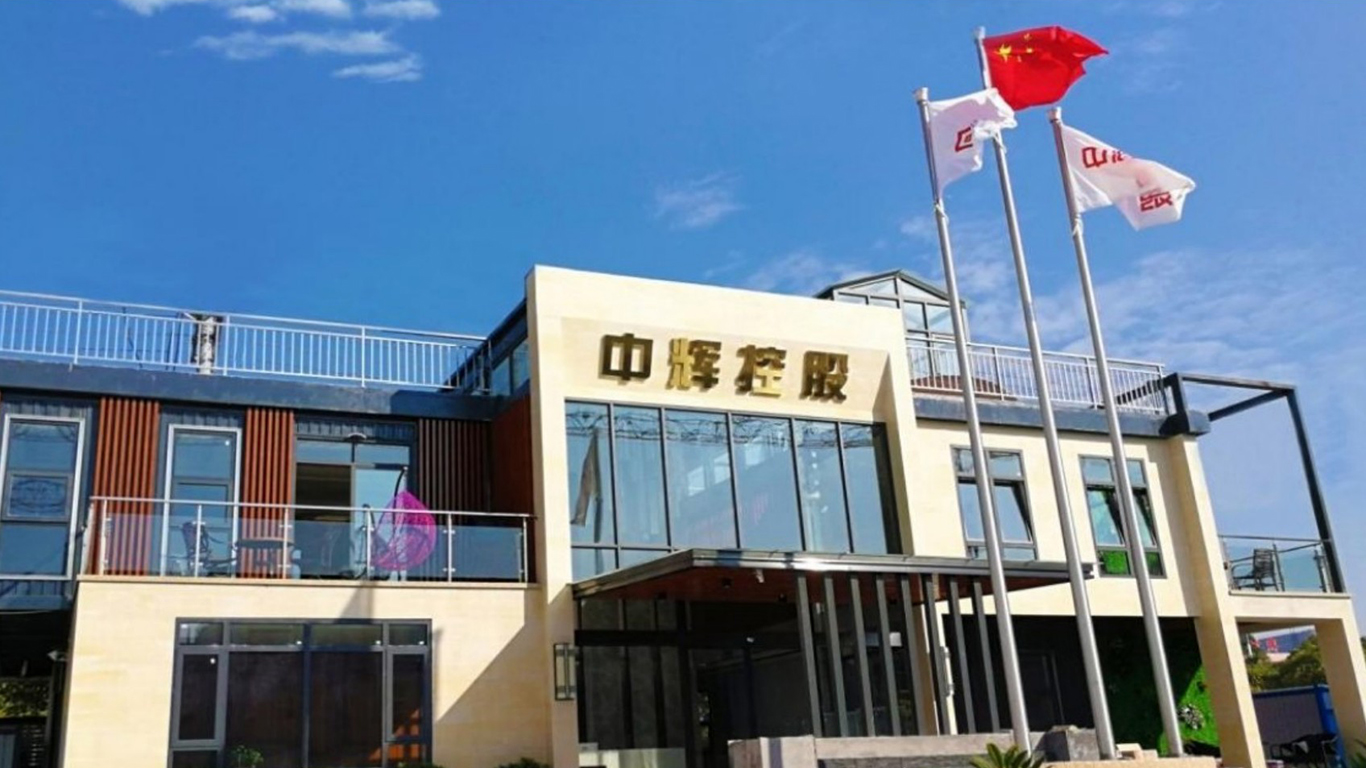
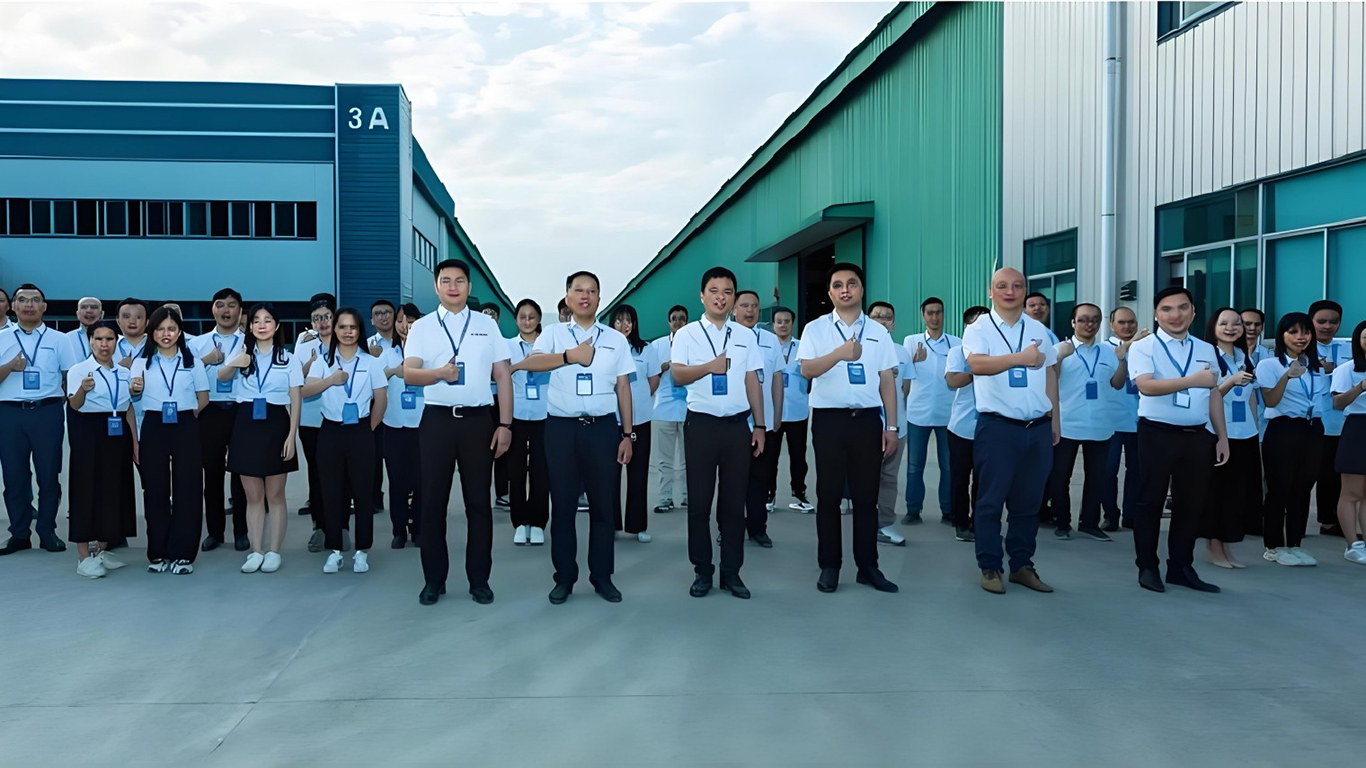
At the center of global prefabricated housing production is the Guangdong-Hong Kong-Macao Greater Bay Area industrial zone. This ecosystem drives significant cost efficiencies, research development, and shipping logistics. Foshan Zhonghui Green Building Integrated Housing Co., Ltd. (located in Guangzhou, within the Hong Kong and Macao Bay Area) operates at the forefront of this industrial cluster, specializing in design, production, R&D, and global deployment of containerized building envelopes.
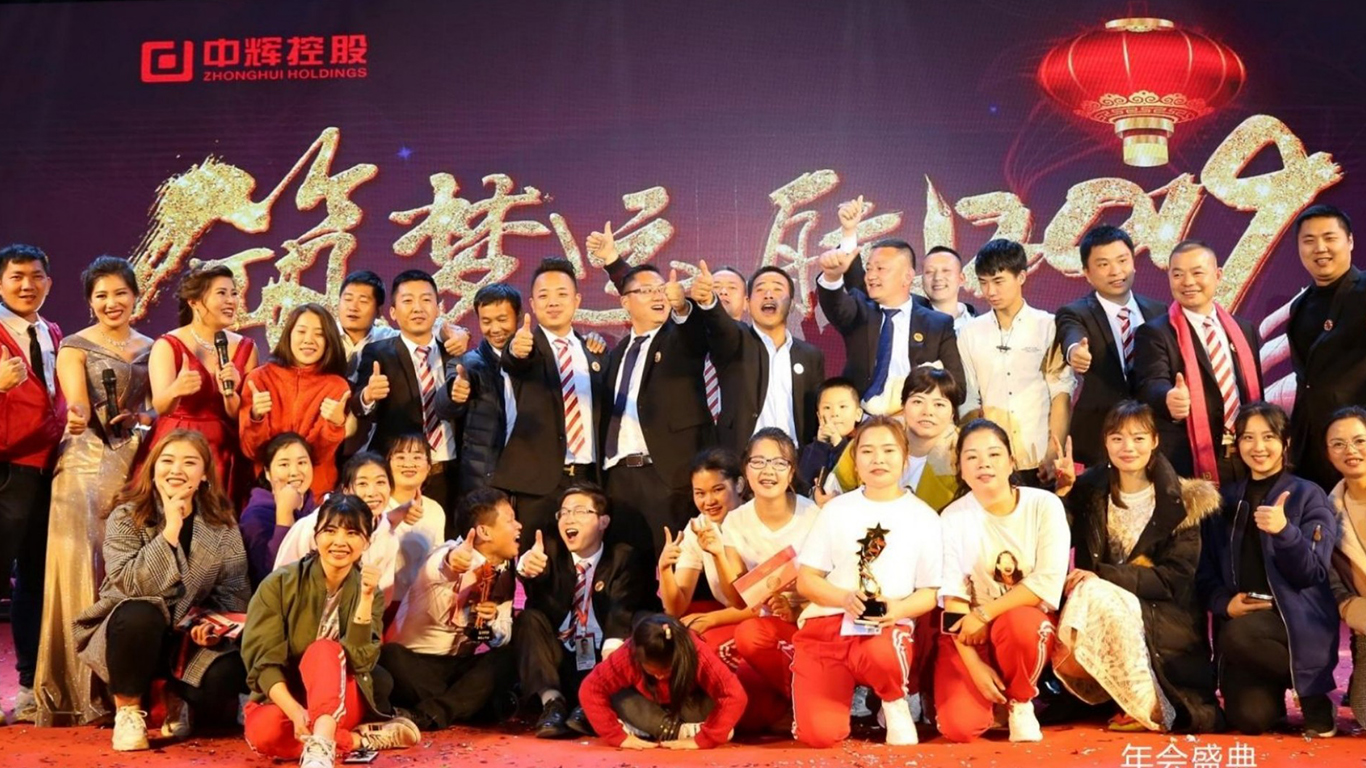
Established with over 15 years of technical expertise, our core founding team has designed and manufactured modular structures for international clients. We currently hold 46 invention and utility model patents, demonstrating our commitment to structural innovation. Our designs have been recognized with numerous industry achievements, including the Container Creativity Floater Award, and we are ranked among the *Top Ten Influential Brands* within China's modular residential and commercial container industries.
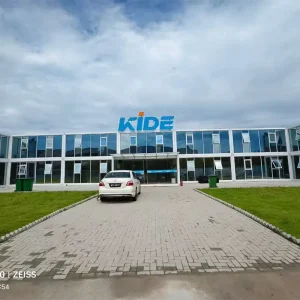
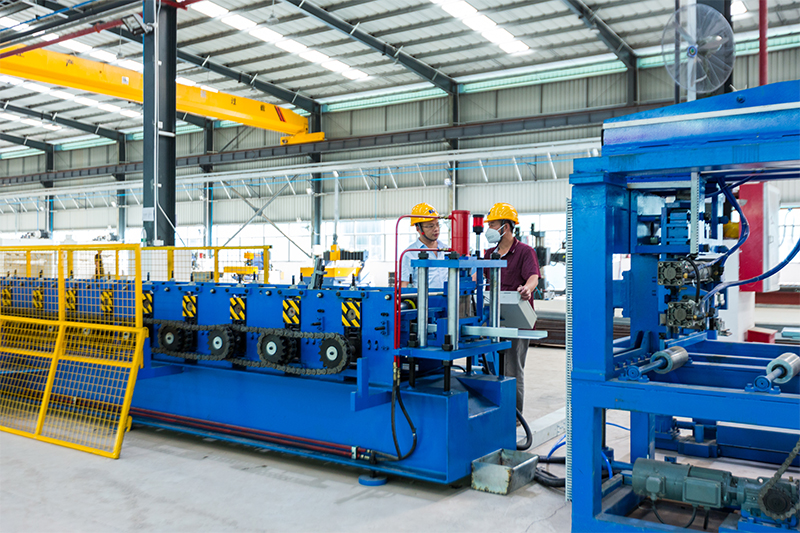
Our Factory 4.0 infrastructure utilizes automated plasma cutters, high-precision hydraulic bending machines, and robotic welding stations. By minimizing manual tolerances, we ensure consistent alignment of all panel edges and hinges—a critical requirement for expandable container structures that must remain watertight through multiple setup and breakdown cycles.
Our engineers focus on solving long-term stress challenges, structural load distribution, and sealing problems common to generic expandable structures. The R&D division works closely with project management teams to deliver specialized building systems tailored for diverse geographical regions, ensuring compliance with local wind, snow, and seismic load codes.
Inside our production workshop, assembly lines are configured to handle modular manufacturing from raw steel processing to final wiring, testing, and protective packaging. Raw steel frames are welded in precision alignment jigs, undergo surface preparation, and receive epoxy zinc-rich primer coatings. This creates a durable dual-layer barrier against moisture and environmental exposure.
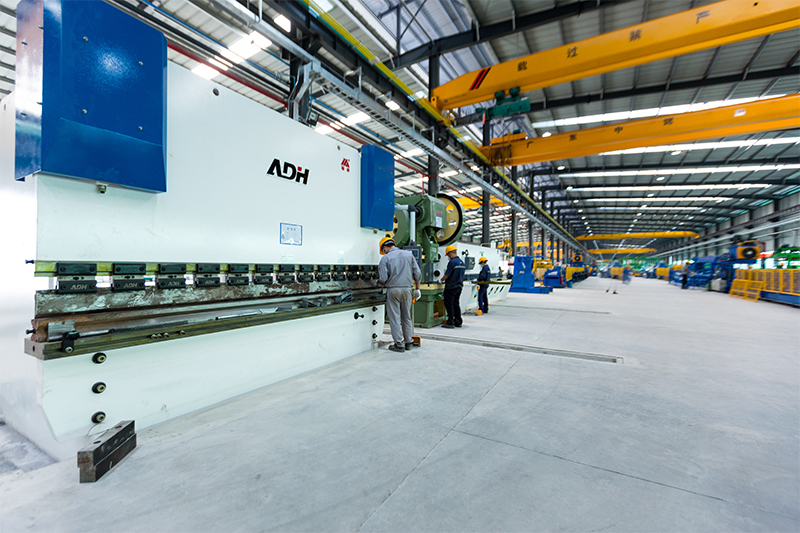
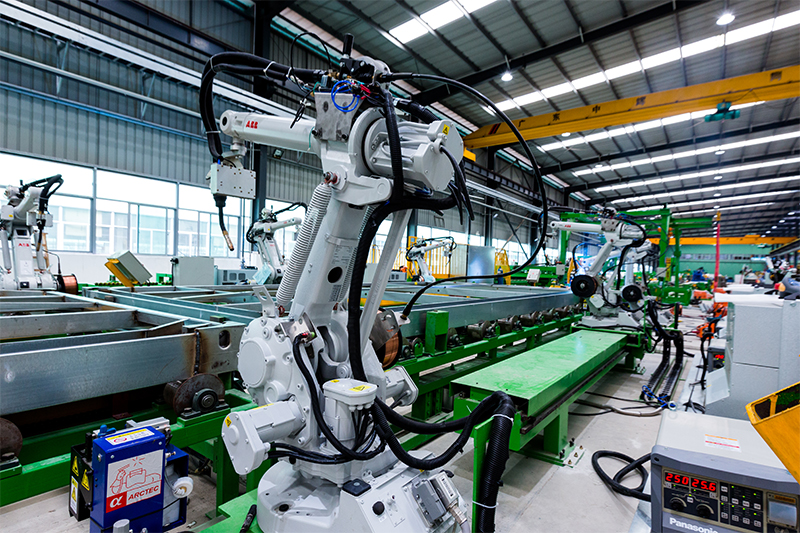
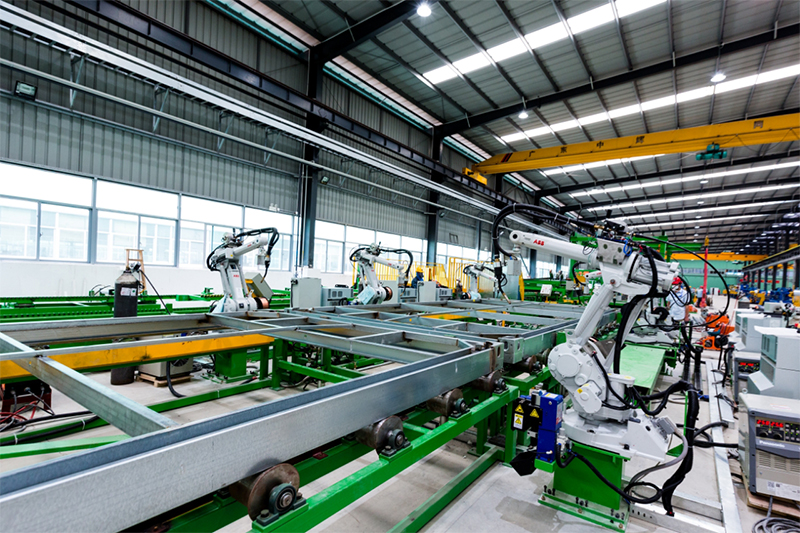
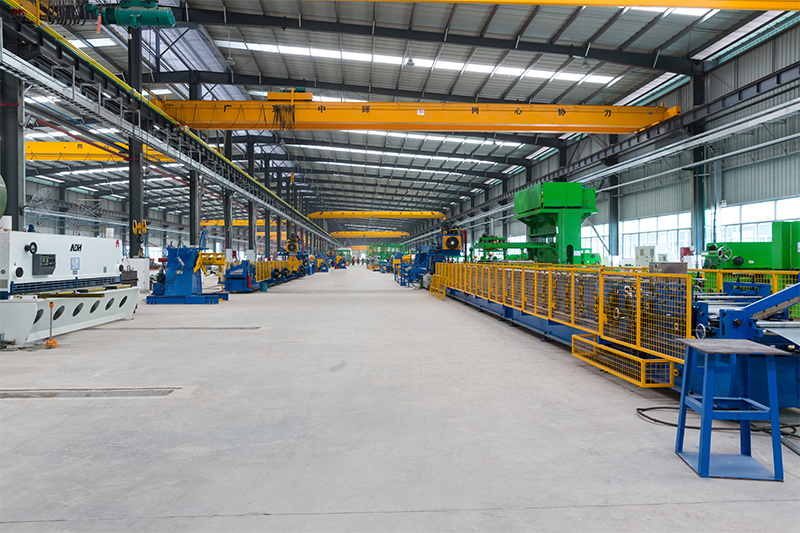
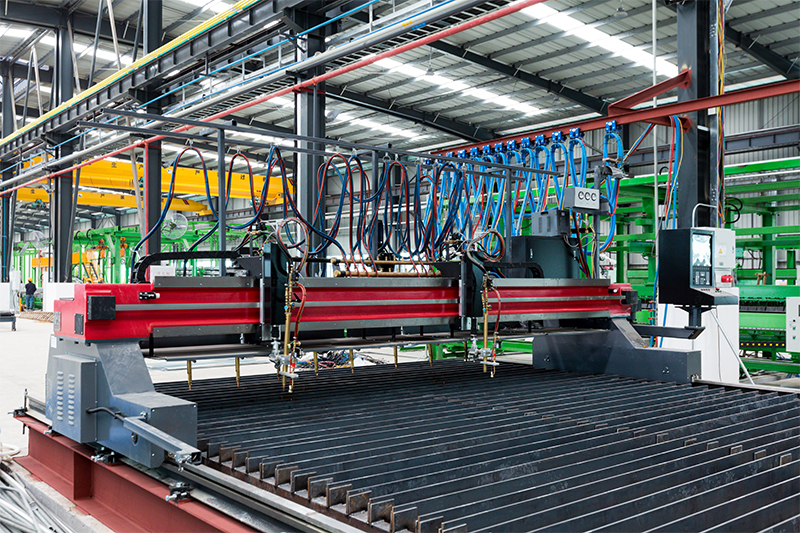
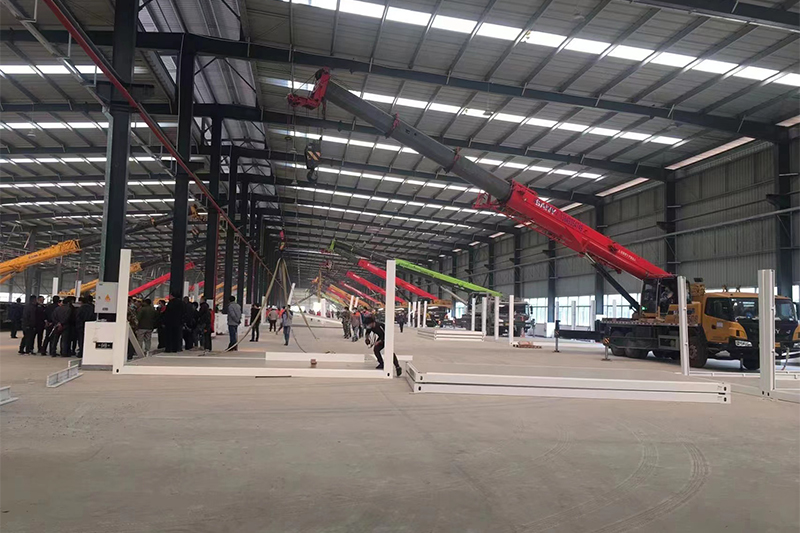
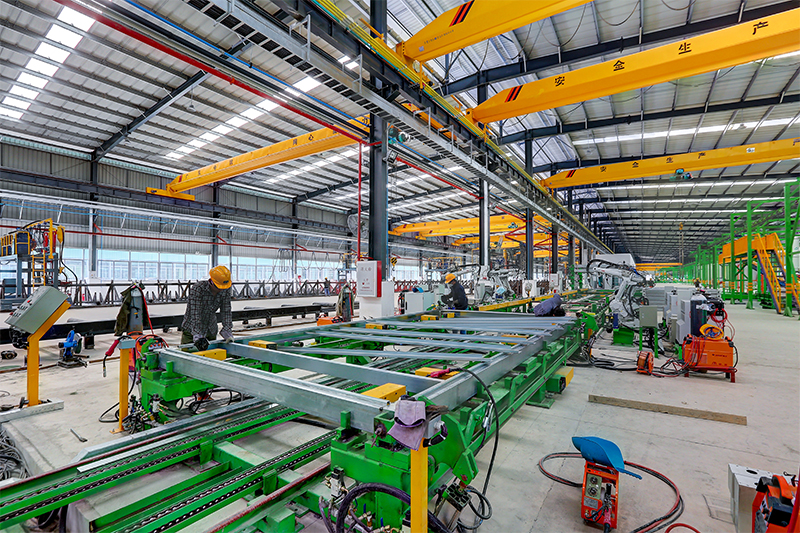
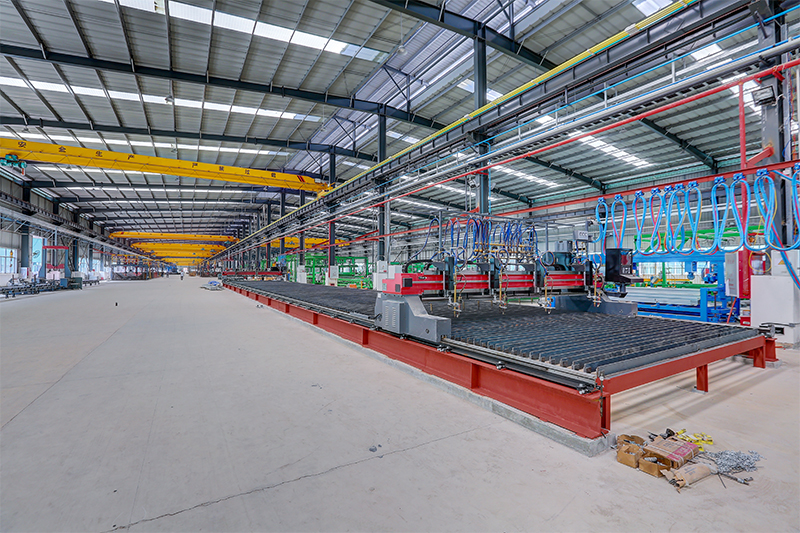
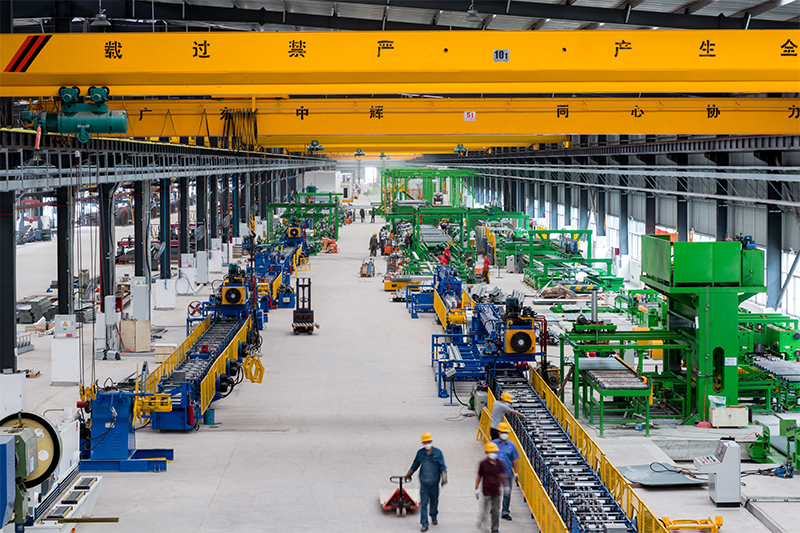
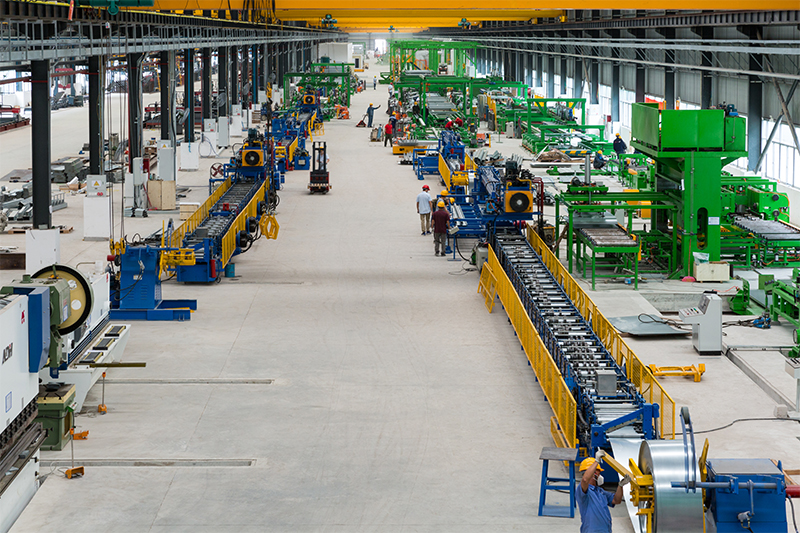
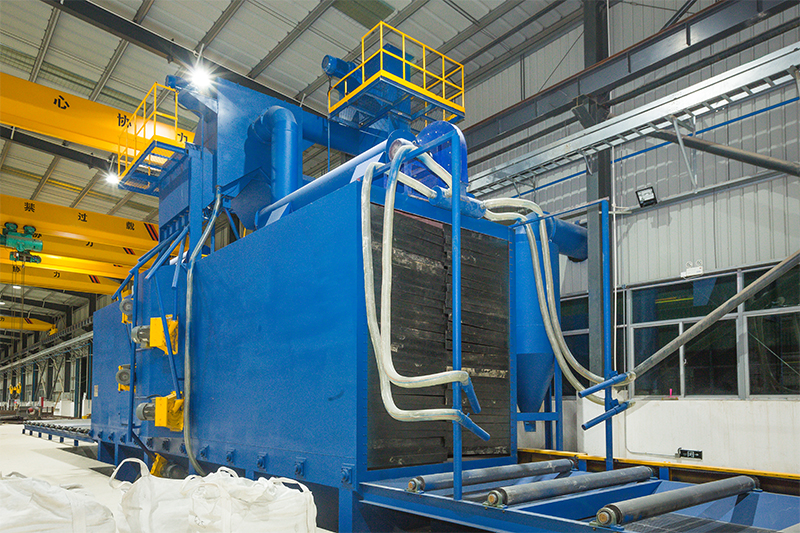
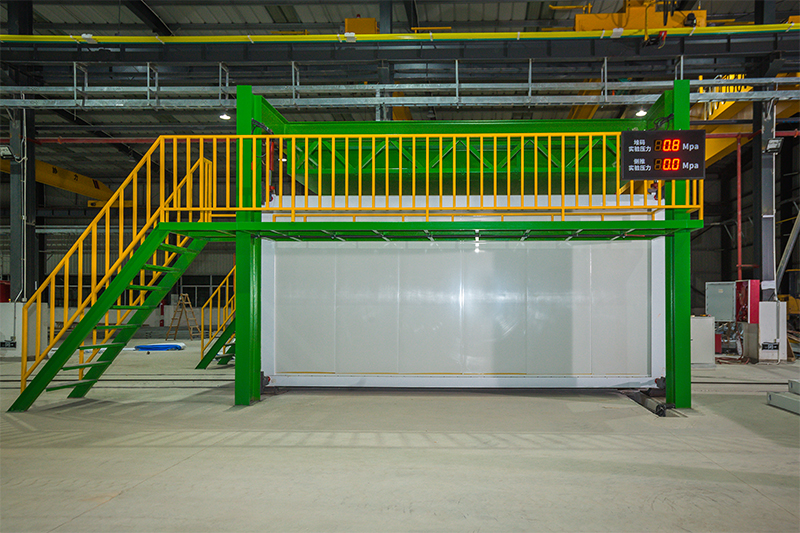
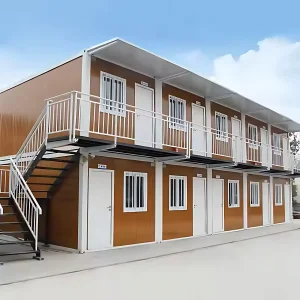
Proven durability in harsh environments, mining locations, and commercial zones.
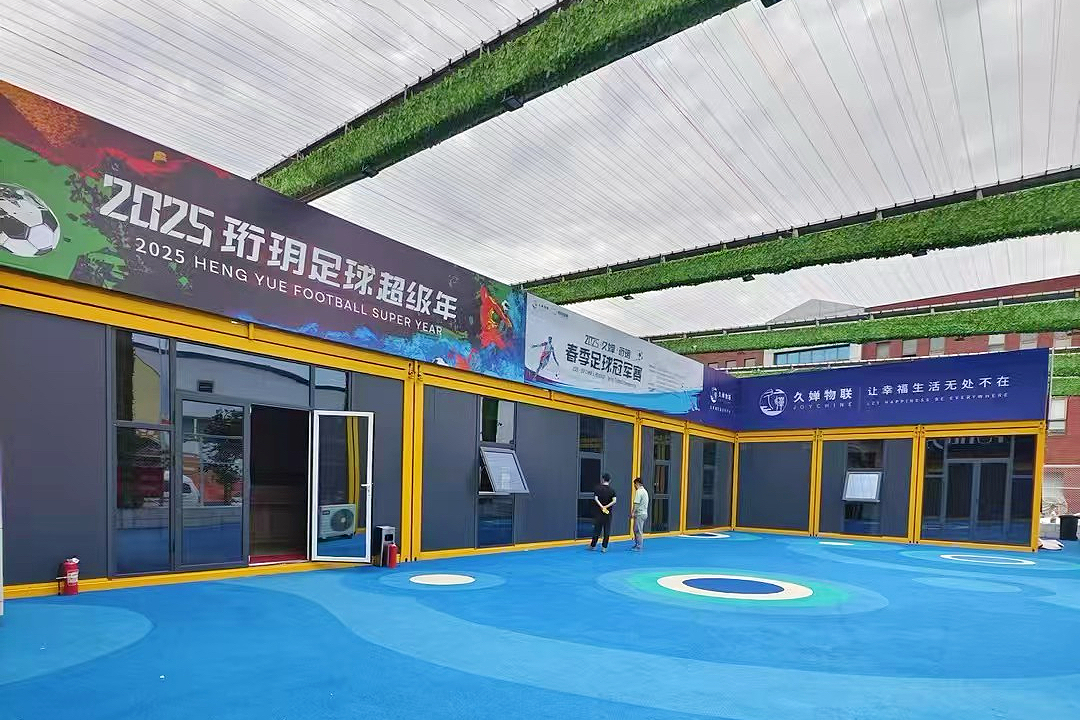
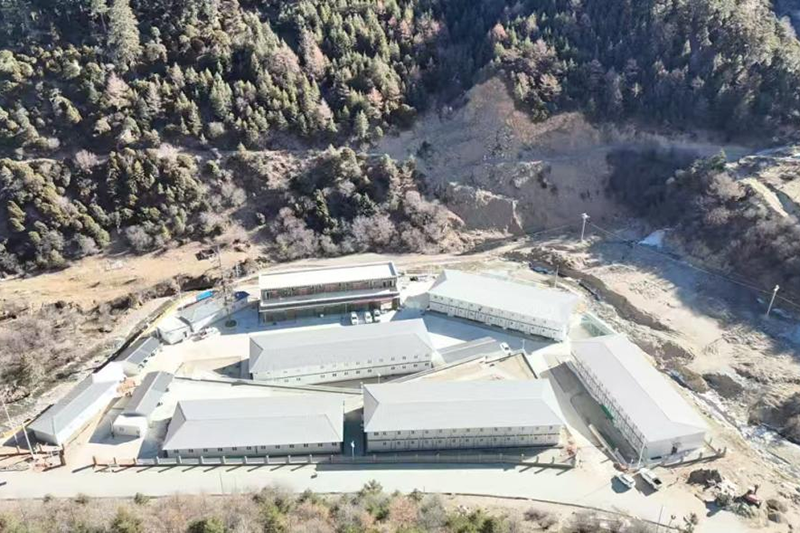
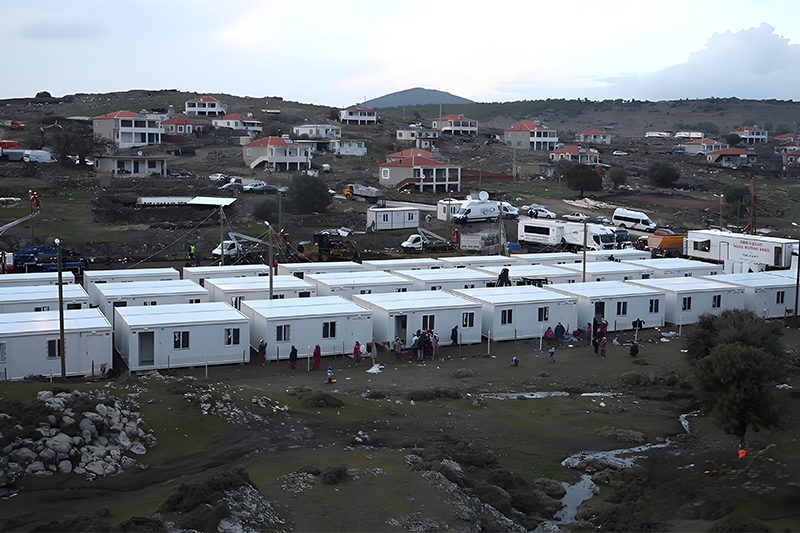
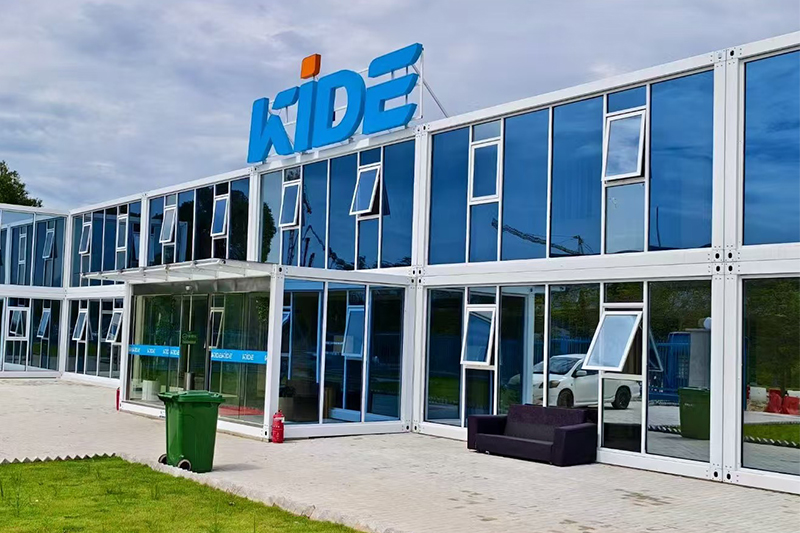
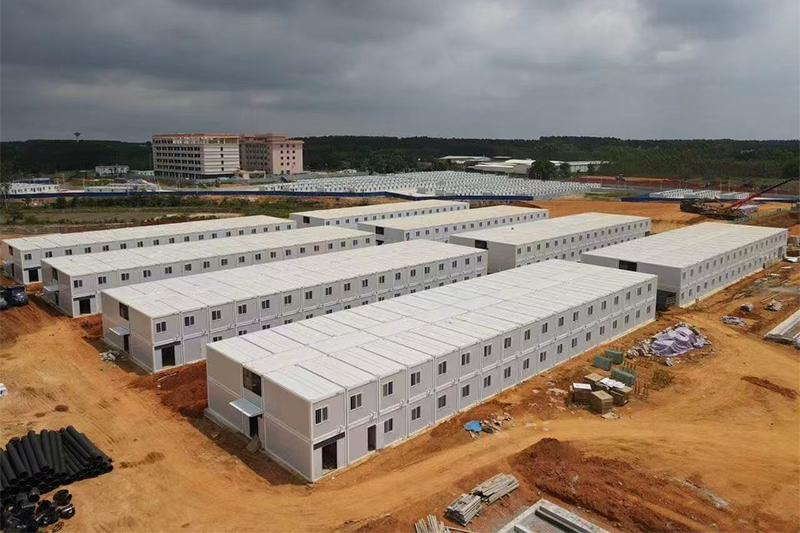
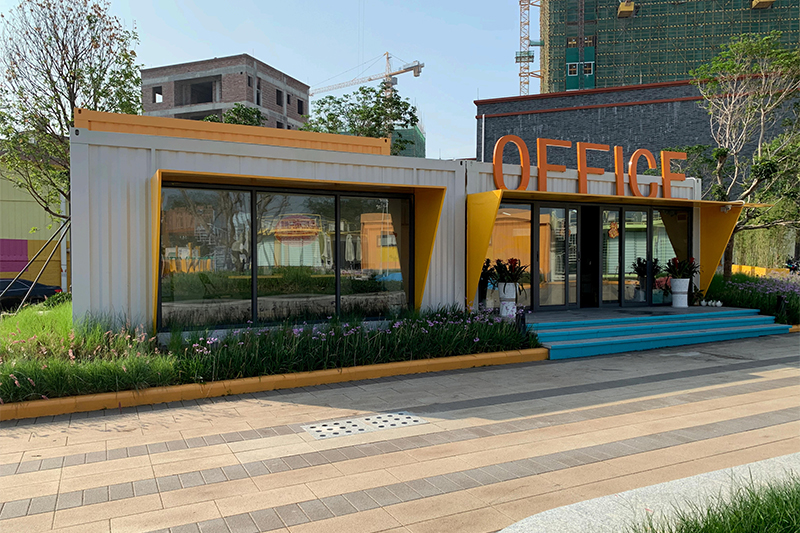
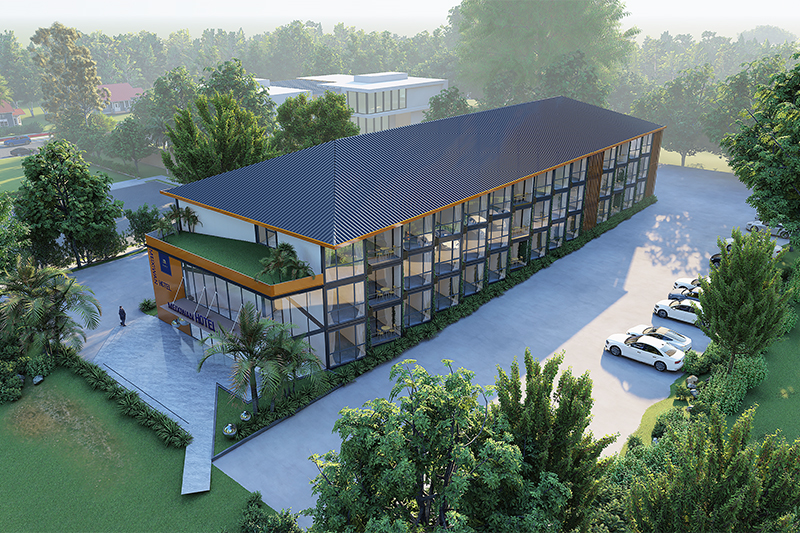
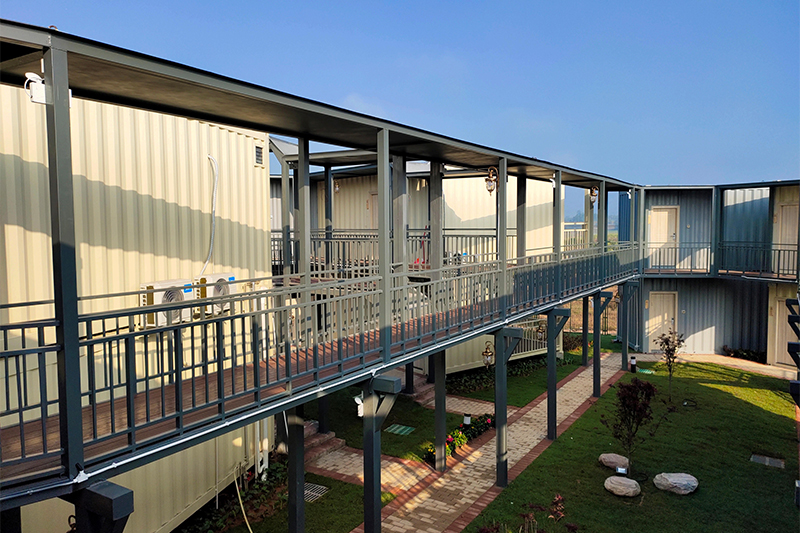
The total cost of ownership (TCO) of modular expandable containers depends on steel section gauge, structural coatings, internal insulation choices, and window specifications. Below is an overview of representative product classes and standard pricing factors for volume orders (minimum 4 units).
| Modular Category | Dimensions (Open) | Core Structural Specs | Logistics Efficiency | FOB Price Indication (USD) |
|---|---|---|---|---|
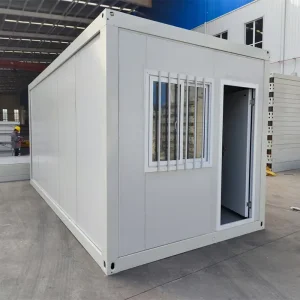
| Standard 20ft Foldable House | 5.8m x 2.5m x 2.6m | 1.8-2.2mm galvanized frame, 50mm EPS wall panels | Up to 10 units fit in a 40ft HQ shipping container | $2,200 - $3,100 |
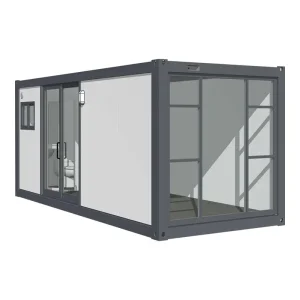
| Premium Z-Box Sliding House | 5.8m x 2.5m x 2.6m | 2.5mm steel structure, 75mm glasswool/rockwool panels | Up to 8 units fit in a 40ft HQ container | $3,500 - $4,800 |
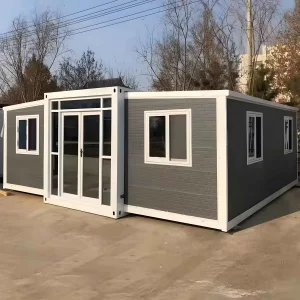
| 3-in-1 Luxury Expandable Container | 5.8m x 6.3m x 2.5m | 3.0mm primary framing members, internal partition walls, pre-fitted kitchen/bath | 2 units packaged and shipped inside one 40ft HQ | $8,200 - $12,500 |
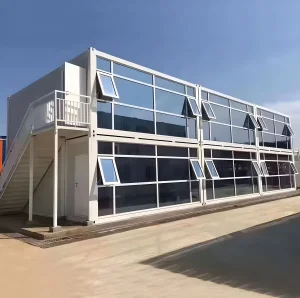
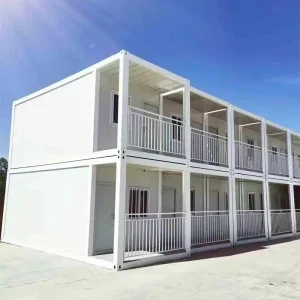
| Multi-Storey Detachable Office Module | 6.0m x 3.0m x 2.8m | Columns: 3.5mm steel profiles; Floor: fiber cement panels | Flat-pack bundle system (4 units stacked = 1 standard 20ft ISO footprint) | $4,500 - $6,200 |
Note: The pricing indications listed above are subject to changes in steel sheet spot prices, localized structural certification requirements, and finish specifications. High-volume industrial contracts (exceeding 20 units) qualify for factory discounts. Contact our procurement team for project-specific calculations.
For operations teams managing remote infrastructure, real estate programs, or site housing setups, modular designs offer notable financial advantages. When compared to traditional on-site masonry or wood framing, expandable containers reduce both capital and operational costs:
Technical details, installation logistics, custom configuration options, and procurement protocols.
Complete project product line catalog. Click spec sheet links to check detailed drawings.
 ZHONGHUI HOLDINGS