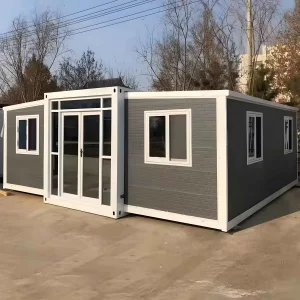
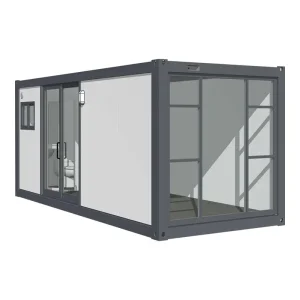
Engineered to withstand diverse environments. Discover our range of wholesale configurations optimized for rapid assembly, heavy logistics efficiency, and long lifespan durability.
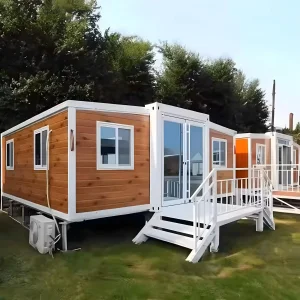
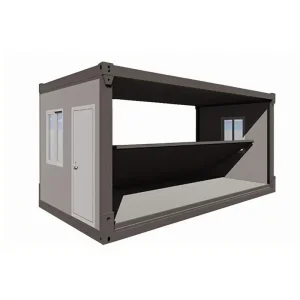
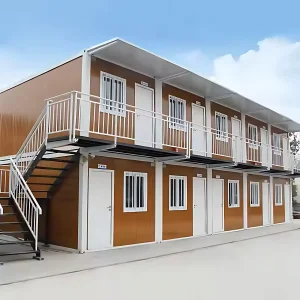
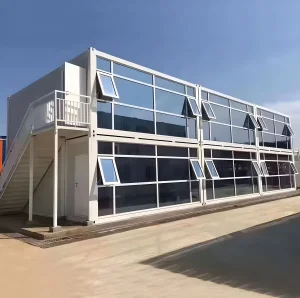
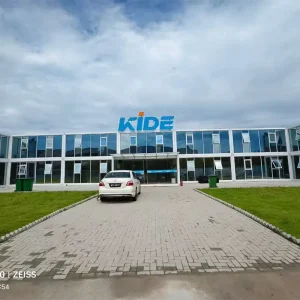
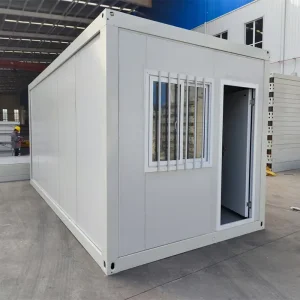
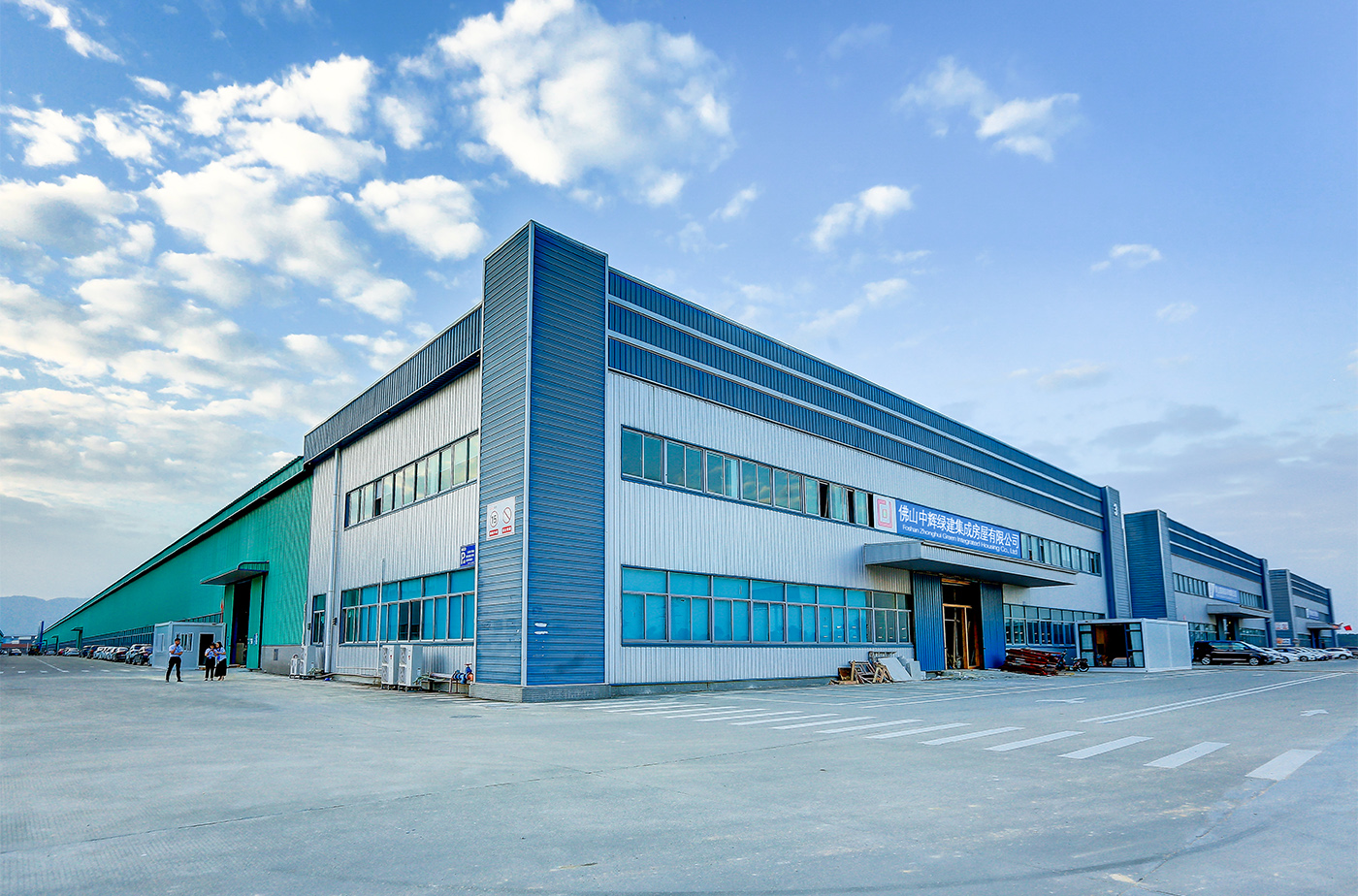
Strategically headquartered within the highly dynamic Guangdong-Hong Kong-Macao Greater Bay Area—specifically in the manufacturing powerhouse hub of Guangzhou—Zhonghui operates as a globally synchronized entity. We maintain comprehensive integration across product R&D, structural architectural design, precision manufacturing, international supply chain operation, and complete turnkey end-to-end services. Our deep focus remains centered on providing advanced, standardized, and highly customized one-stop box rental and procurement solutions for a broad ecosystem of global infrastructure client partners.
Driven by an elite core founding team with 15 years of uninterrupted industry dedication, our operations have evolved to redefine the boundary limits of modular architecture. We hold an extensive IP portfolio containing 46 invention patents and utility model engineering certifications, underscoring our continuous investment in technological iteration. This deep technological foundation has earned our enterprise numerous highly prestigious accolades, including the Container Creativity Floater Award, the Consumer Top Ten Official Love Brand recognition, and the Prefabricated Infrastructure Industry Top Ten Influential Brands award. These cross-disciplinary distinctions solidify Zhonghui's market authority, positioning the organization at the leading edge of China's high-tier structural residential and heavy commercial container manufacturing sectors.
A technical executive briefing detailing macro trends, engineering breakthroughs, and systemic market shifts within the global industrialized construction ecosystem.
The contemporary construction landscape is undergoing a systemic paradigm shift toward Industrialized Construction (IC) and Modular Pre-assembly. Traditional stick-built methods face intensifying challenges from severe systemic labor shortages, volatile raw material cost fluctuations, and highly stringent environmental regulations. In response, modern engineering sectors are pivoting rapidly toward folding modular structures to solve global accommodation and infrastructure bottlenecks.
The global market for folding modular units is scaling at an accelerated CAGR, catalyzed by urbanization demands, crisis-response protocols, and large-scale natural resource mining initiatives. Innovation is concentrated around expanding the density of spatial volumetric structures. By packing fully functional building envelopes—complete with integrated structural, mechanical, electrical, and thermal insulation subsystems—into tightly flat-packed or nested geometric shapes, transport costs are reduced exponentially. This mechanical innovation allows modern developers to transition from slow on-site construction to synchronized, highly efficient assembly pipelines.
China's specialized manufacturing ecosystem, particularly within the Pearl River Delta industrial manufacturing zone, delivers unparalleled advantages for high-performance modular fabrication. Organizations like Foshan Zhonghui draw directly from an exceptionally deep vertical supply chain integration to optimize every layer of production:
The engineering core of an industrial-grade folding modular house depends heavily on the structural design of its pivot hinge mechanics, structural frame loading paths, and its thermal performance profiles. Zhonghui's 46 specialized invention and utility model patents directly address the historical vulnerabilities associated with early-generation collapsible shelters:
Kinematic Hinge Structural Integrity: Standard folding structures typically experience structural degradation at their articulating fold lines. Our patented heavy-duty, multi-axis structural steel hinges utilize high-yield strength alloys, designed to endure repeated cycle deployments without mechanical fatigue. Main structural loads are safely reassigned down through thick perimeter column steel plates ($Q235B/Q345B grade$), keeping the structural configuration highly stable during localized wind shears.
Thermal Envelope & Hydrophobic Sealing: Achieving low building $U$-values requires removing structural thermal bridges. Our expandable and folding panels feature continuous high-density polyurethane (PU) or rockwool insulation cores wrapped in thick structural steel skins. To eliminate water ingress, the joints feature a multi-layer interlocking groove system outfitted with EPDM synthetic rubber gaskets. This specialized barrier achieves exceptional air-tightness and water-tightness parameters, performing flawlessly under heavy monsoon rains and freezing sub-zero environments.
For international procurement directors, global logistics and shipping constraints frequently account for a major portion of total project expenditures. Standard fully assembled modular cubicles occupy large freight volumes relative to their weight, leading to highly inefficient shipping configurations.
Zhonghui's advanced folding designs solve these logistics bottlenecks by maximizing cargo packing efficiency. A single standard 40ft High Cube ISO shipping container configuration can comfortably fit up to 4 to 6 fully compressed, flat-packed folding modular houses. This design translates directly to a 60% to 75% reduction in international ocean freight expenses. Furthermore, because the units are optimized for rapid truck crane deployment, offloading to final inland construction zones requires zero specialized structural handling gear, bypassing typical port transport delays and lowering inland transit costs.
Our dedicated structural designers, specialized material engineers, and international quality compliance specialists working in perfect synchronization.
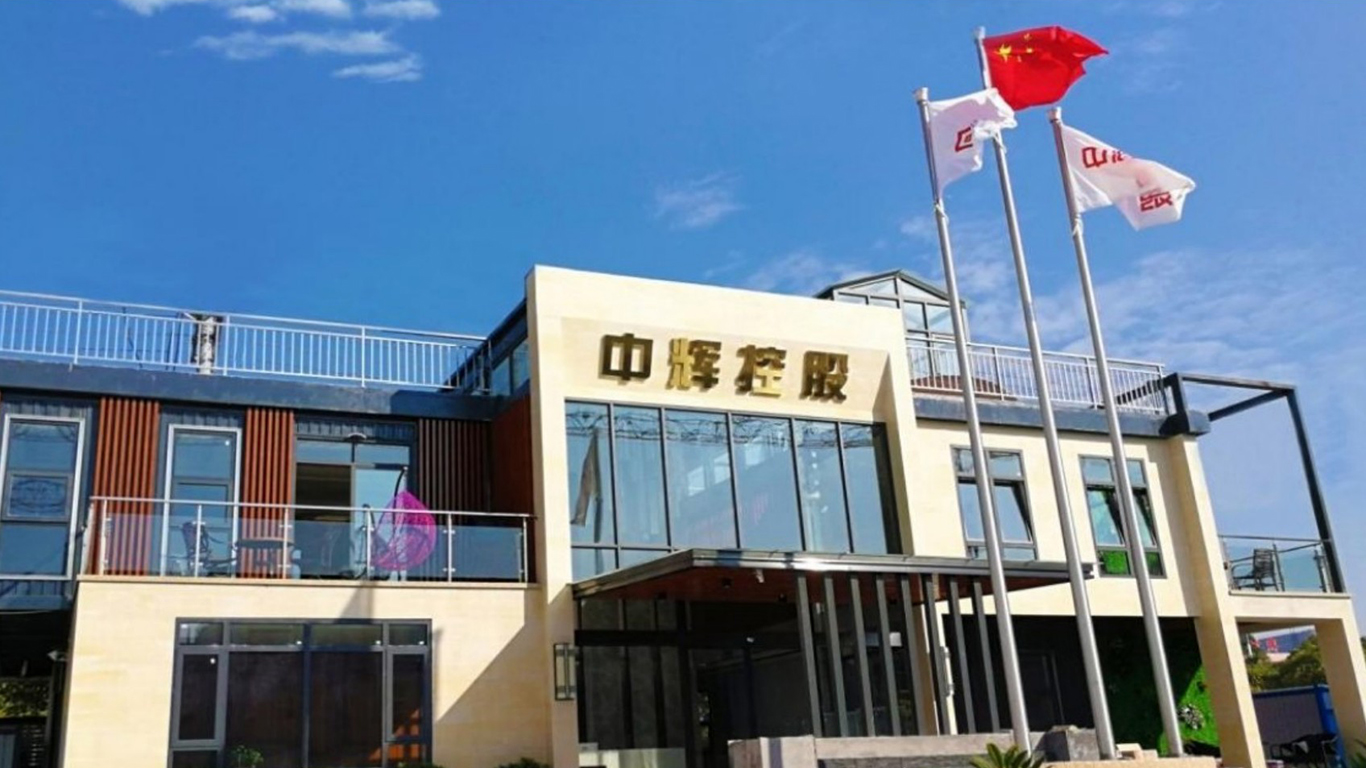
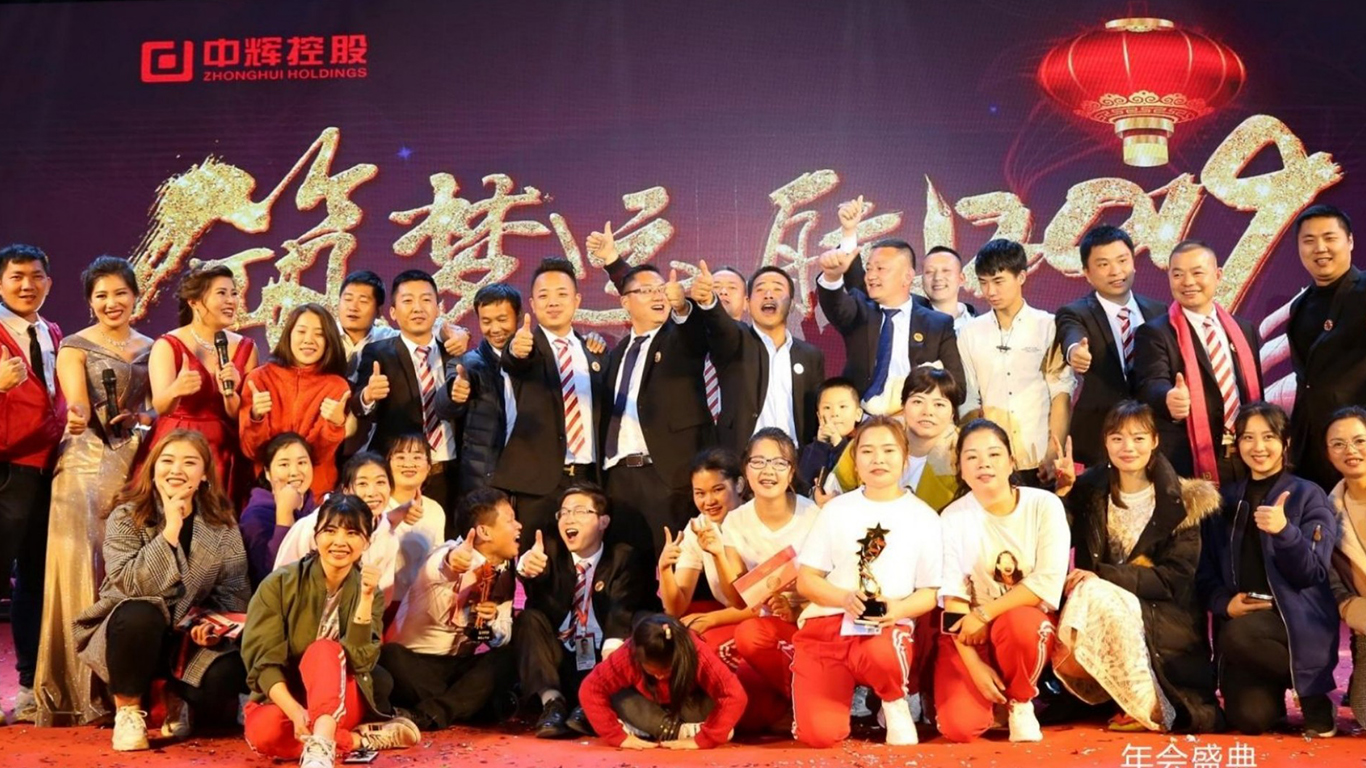
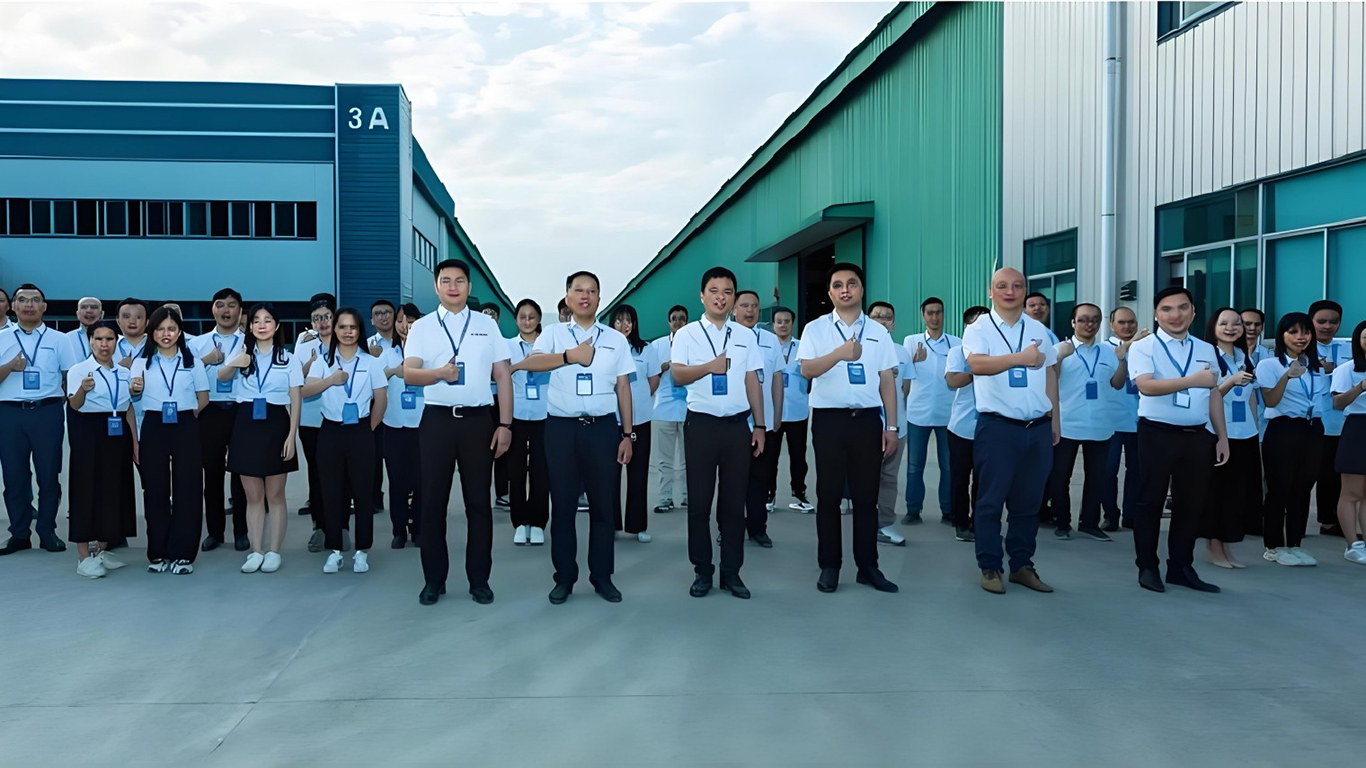
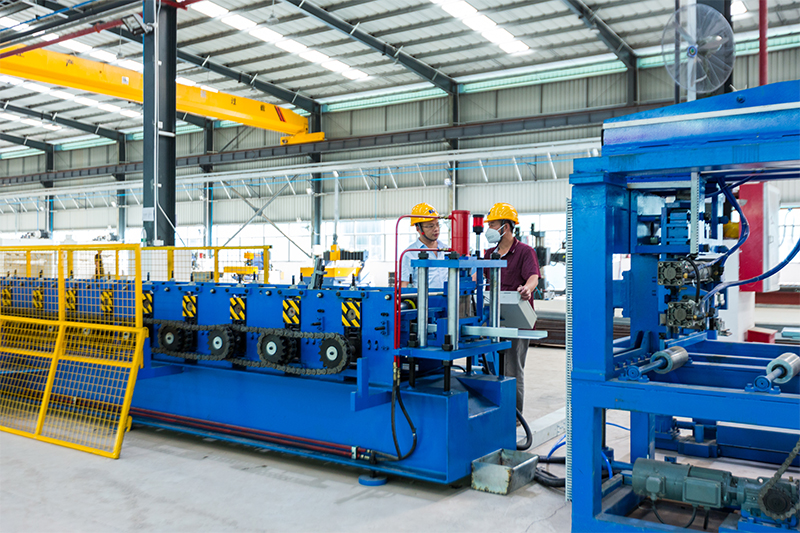
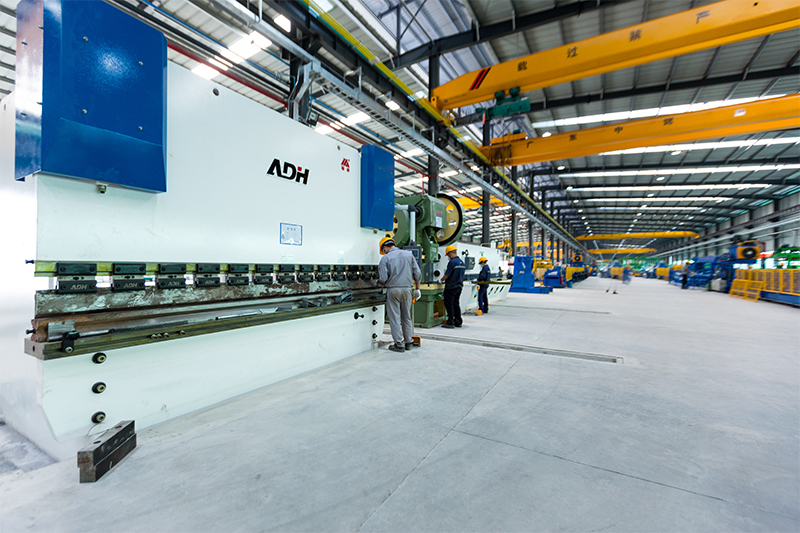
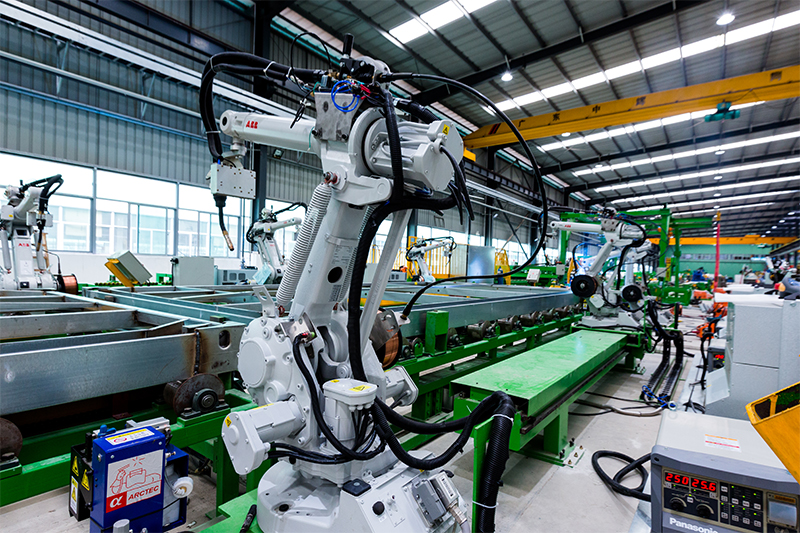
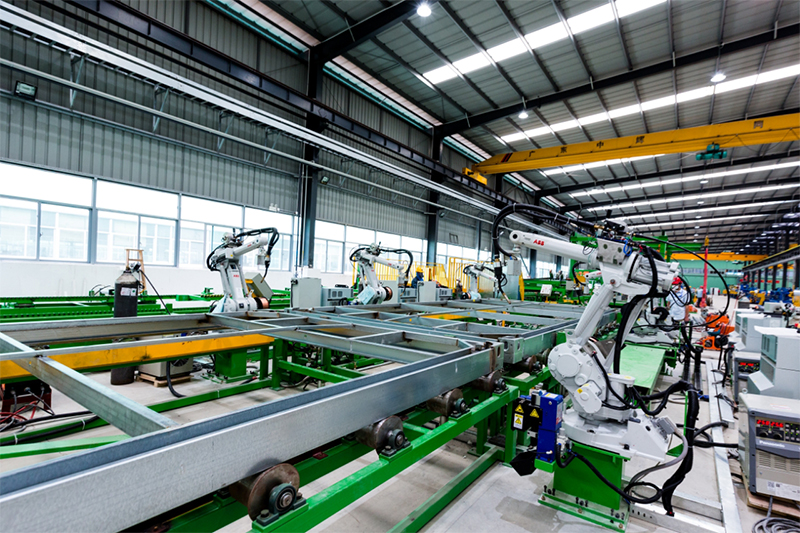
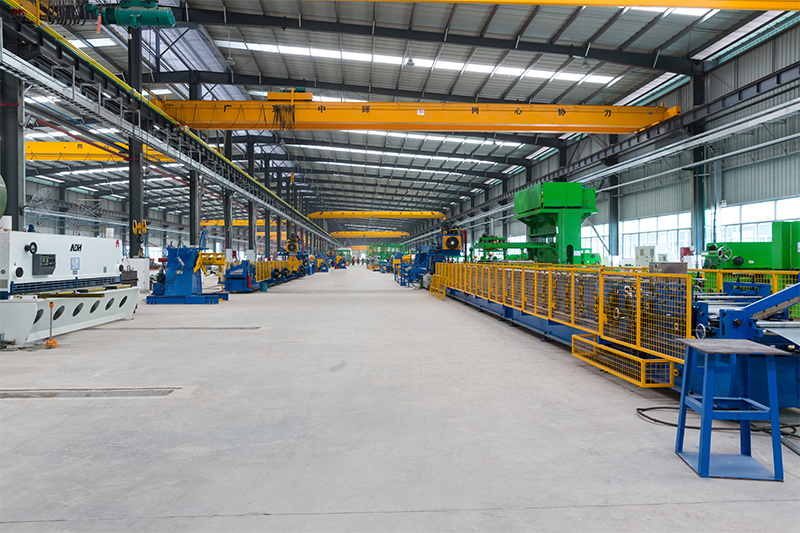
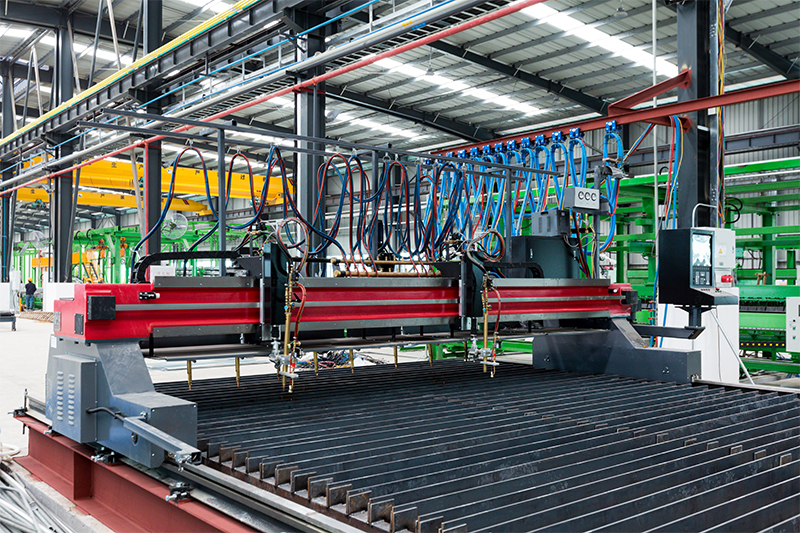
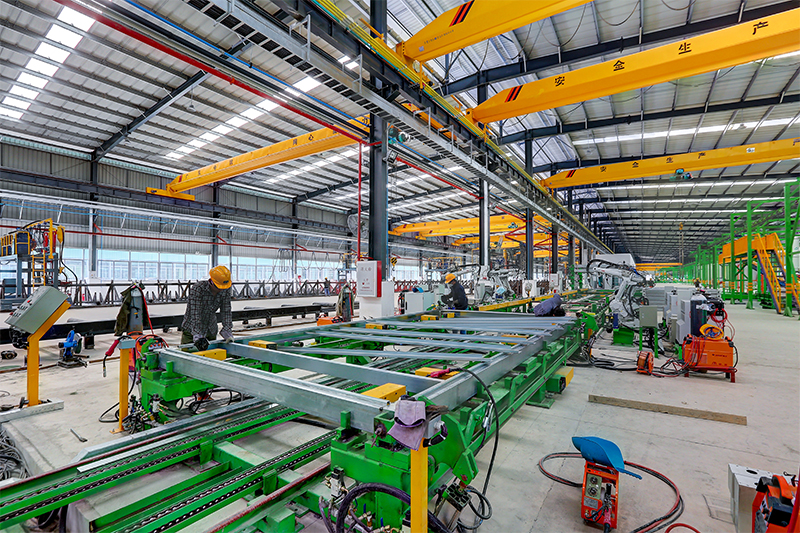
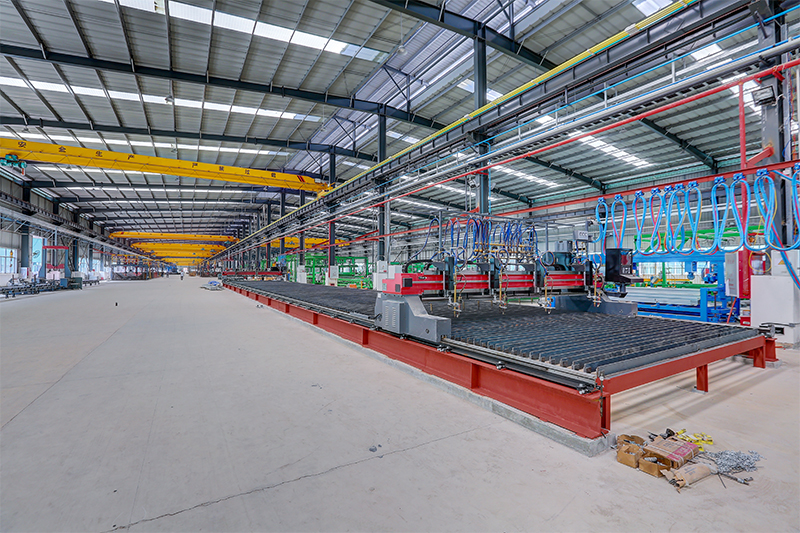
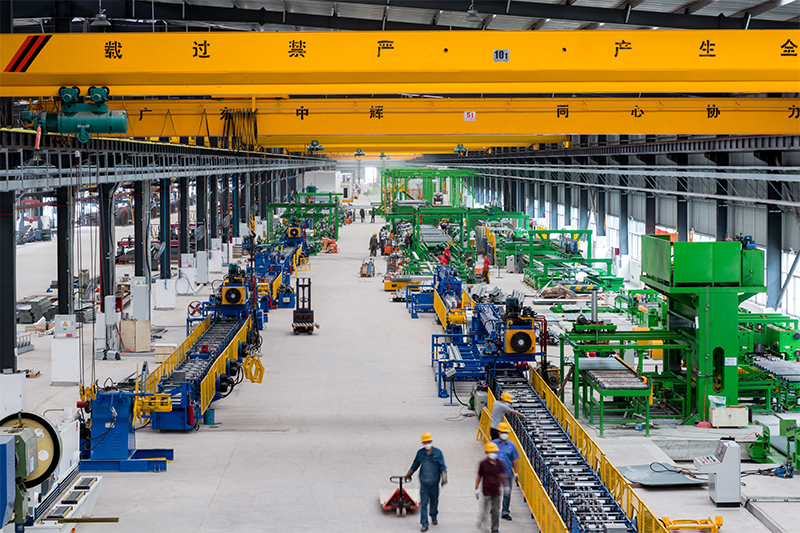
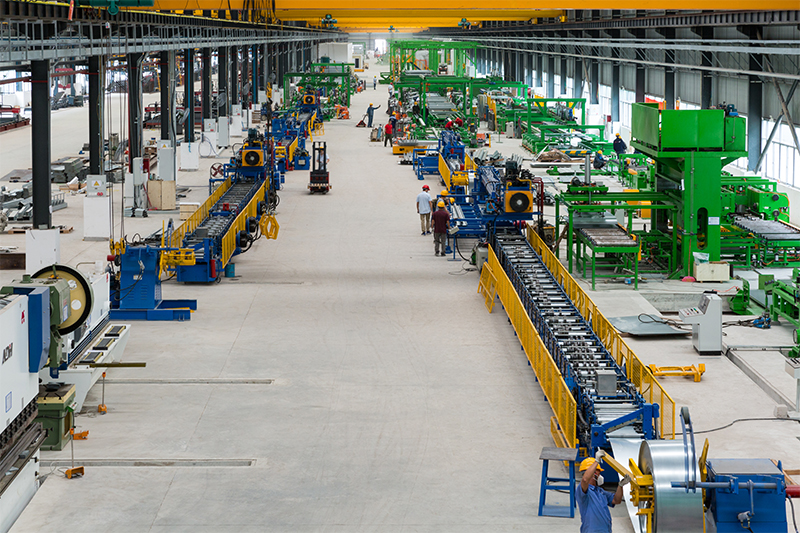
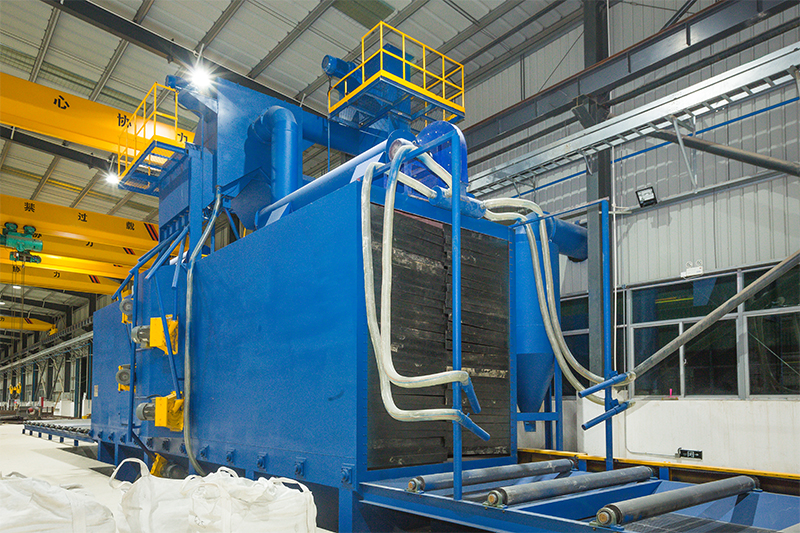
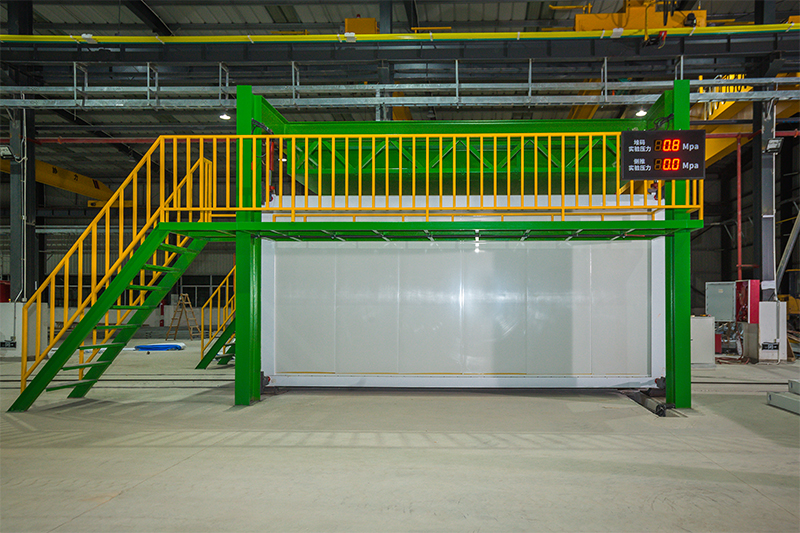
Inside our heavy-duty fabrication complexes: dynamic multi-axis automated lines processing structural steel from raw section to finished modular house.
How global enterprises, engineering contractors, and resource groups deploy Zhonghui's rapid-build structural containers across diverse real-world environments.
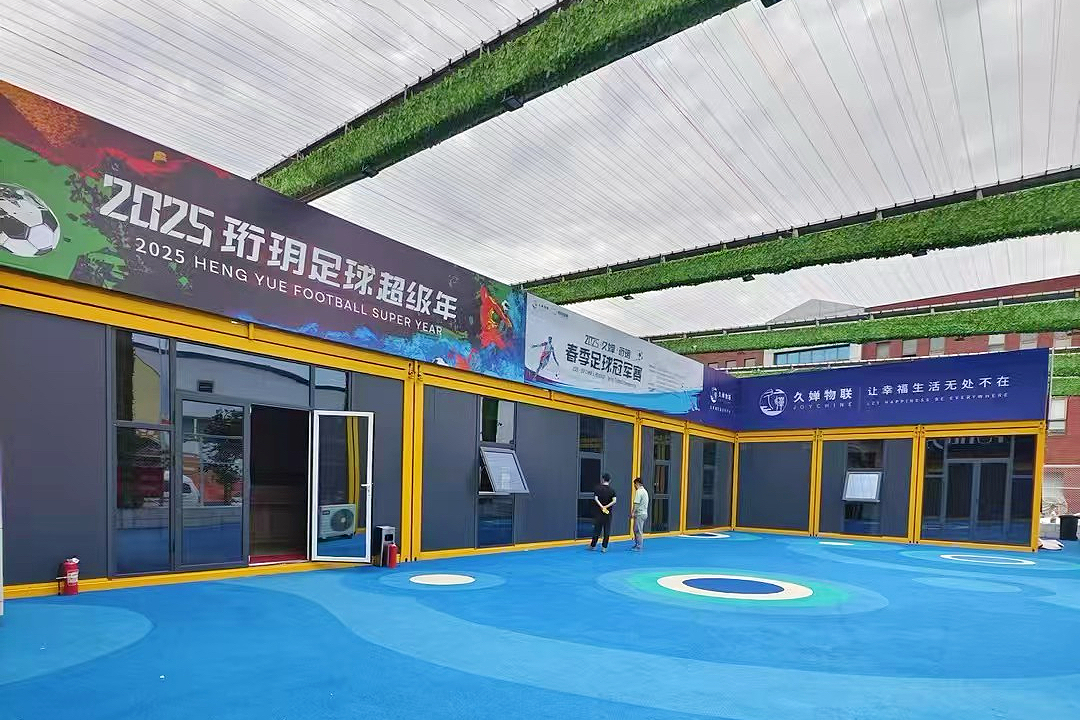
High-strength multi-box interconnected athletic pavilions integrating locker spaces, press boxes, and premium spectator facilities with custom exterior finishes.
View Case File →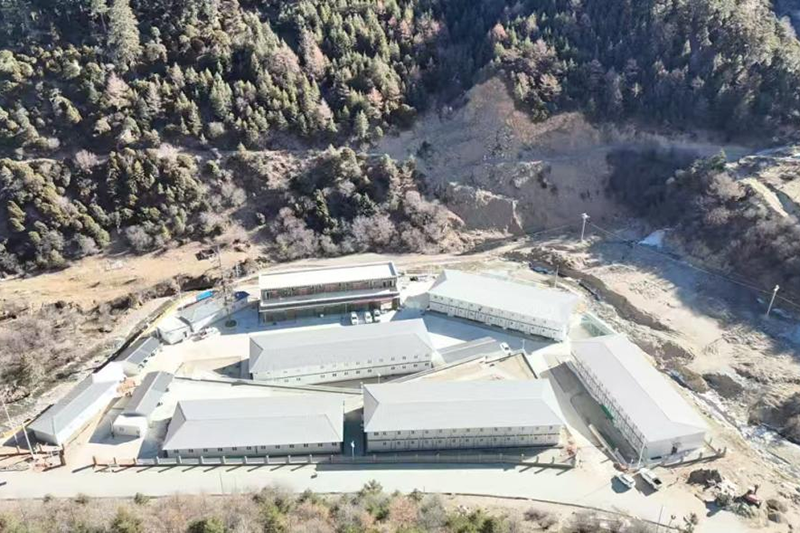
Engineered for high-altitude Atacama environments. Excellent seismic resistance ratings combined with advanced thermal insulation blankets for remote heavy resource extraction crews.
View Case File →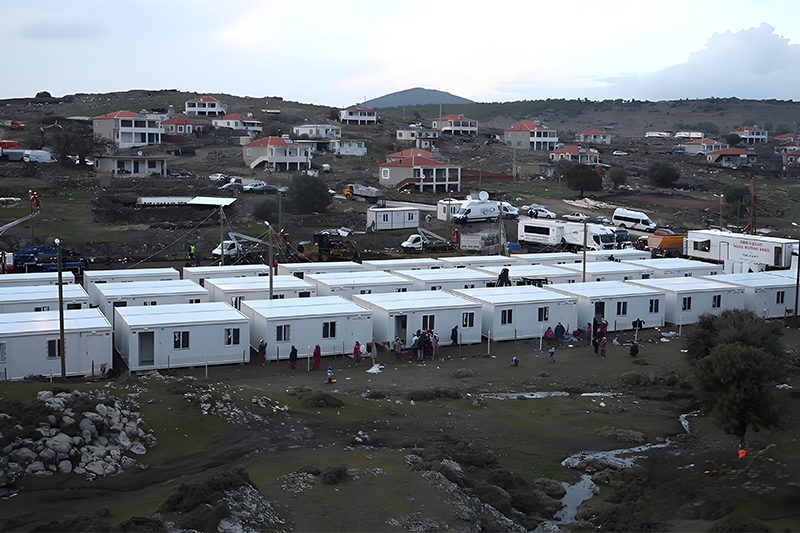
Mass manufacturing scale demonstration. Delivery of high-volume emergency workforce housing under tight schedules, highlighting our rapid production capabilities.
View Case File →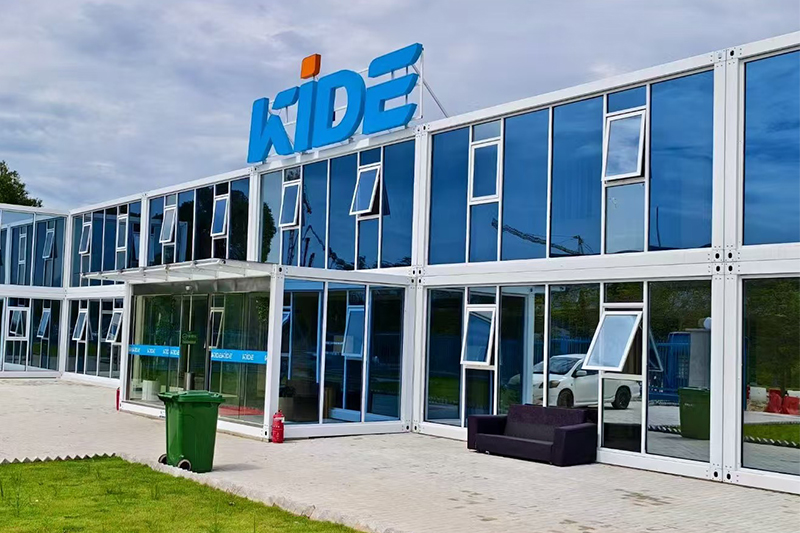
High-humidity, high-precipitation adaptive structures utilizing passive multi-tier roof venting systems and heavy anti-fungal internal surface treatments.
View Case File →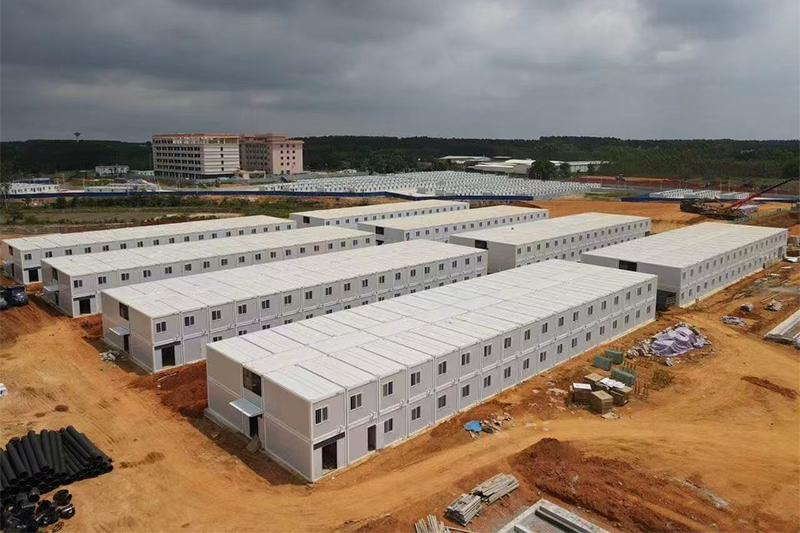
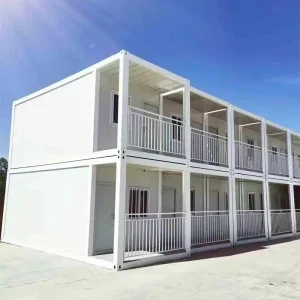
High-density, multi-story temporary worker housing configurations combining maximum spatial layout efficiency with integrated fire-rated egress stairwells.
View Case File →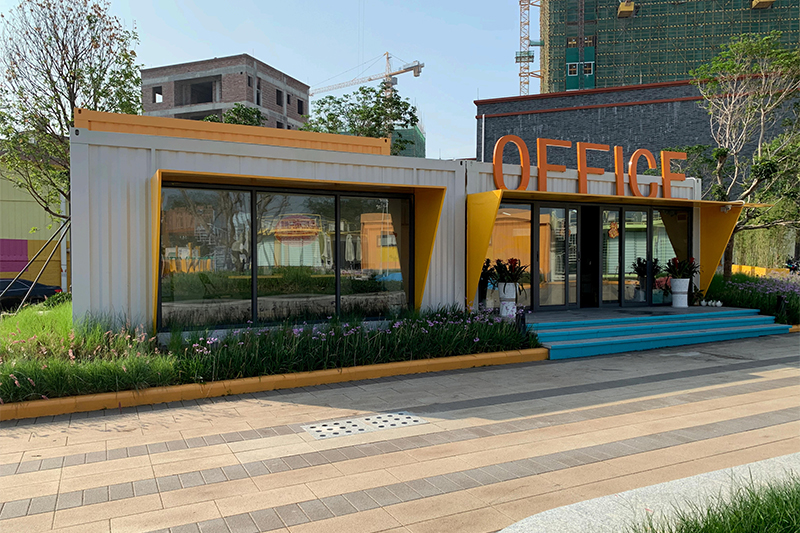
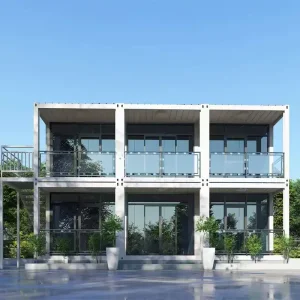
High-aesthetic retail spatial pods built to strict local zoning and wind codes. Features large architectural glass storefront cutouts and premium structural finishes.
View Case File →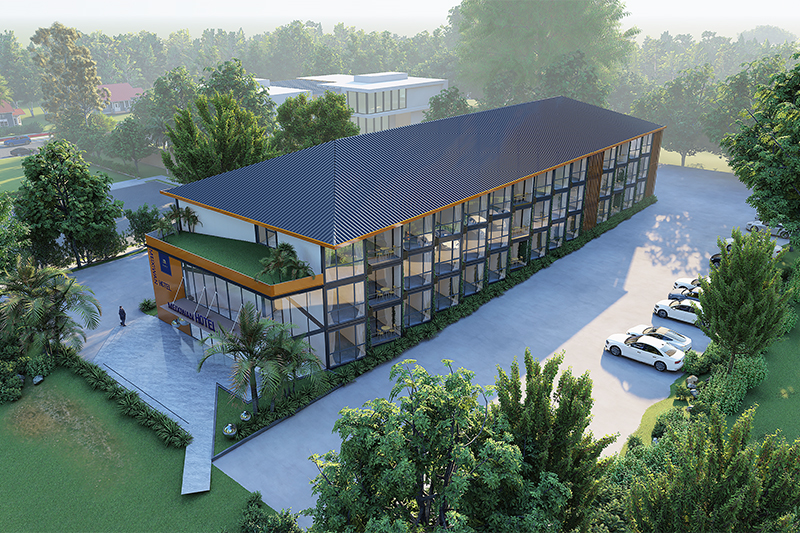
Luxury resort application utilizing cantilevered structurally reinforced container stack designs, eco-friendly interior paneling, and private viewing balconies.
View Case File →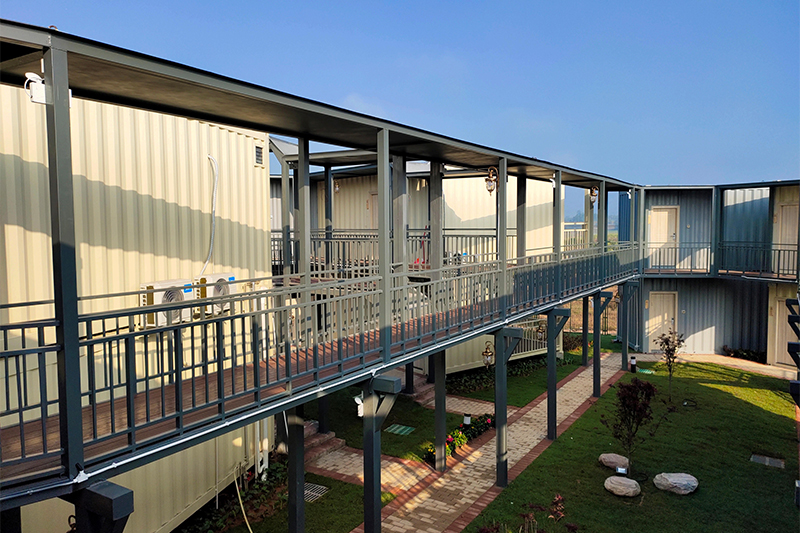
An eco-tourism destination built with minimal site impact. Integrated geothermal HVAC loops and premium cladding harmonize beautifully with the surrounding nature.
View Case File →How our engineering department helps multi-national oil & gas, infrastructure contractors, and governmental entities mitigate project risk.
When purchasing prefabricated structures at scale, satisfying local jurisdictional building codes is critical. Zhonghui's engineering department models structural loads using advanced finite element analysis (FEA) software. This ensures our frames comply with international design codes, including the International Building Code (IBC), Eurocodes, and AS/NZS structural steel frameworks.
Our structures include verified engineering calculations for seismic performance, localized floor loading metrics ($kN/m^2$), and wind load designs capable of handling Category 5 hurricane pressures. This technical documentation simplifies the local permitting process for international civil engineering firms.
A true commercial-grade folding modular house must arrive on-site as more than an empty shell. Our factory integrates premium pre-wired electrical systems, communication conduits, plumbing manifolds, and wastewater drainage systems directly into the chassis panels during the fabrication process:
Zhonghui's modular housing structures are designed to perform reliably in extreme microclimates around the globe, from arid desert expanses to sub-zero high-latitude drilling locations:
In high-salinity coastal environments, standard steel structures are prone to rapid galvanic corrosion. We address this vulnerability by constructing framing assemblies from heavy galvanized sheet steel, backed by multi-stage marine-grade structural paint coatings. For regions with high snow loads, our roof assemblies feature structural internal reinforcing trusses and pitch profiles that prevent snow accumulation, keeping the unit safe from structural buckling. This engineering approach significantly reduces lifecycle maintenance costs for long-term lease operations and remote asset managers.
Direct authoritative engineering responses to critical design, logistical, and structural validation inquiries from enterprise procurement officers.
Q1: What specific grades of structural steel and metal corrosion protection profiles are utilized in your primary columns?
Zhonghui manufactures its primary structural frames using high-grade Q235B and Q345B structural carbon steel. Components undergo automated shot-blasting to a clean SA 2.5 standard, followed immediately by hot-dip galvanizing with a minimum zinc coating thickness of 60-80 g/m². This is sealed with a dual-pass layer of marine-grade epoxy zinc-rich primer and an architectural exterior powder coating, providing excellent corrosion protection against high salt-spray environments.
Q2: How does the articulating structural hinge mechanism maintain wind resistance and air-tightness under high wind loads?
Our patented folding joints utilize heavy interlocking geometric steel channels configured with continuous dual-bead EPDM synthetic rubber gaskets. When fully expanded, the structural framework is locked tight using heavy-duty, high-tensile structural bolts that compress the rubber seals uniformly. This structural locking configuration eliminates wall movement during high winds, easily withstanding sustained wind load forces up to 120-140 km/h without air or water leakage.
Q3: What are the verified thermal insulation values ($R$ and $U$ factors) for your standard folding wall panel configurations?
Our standard 75mm thick high-density polyurethane (PU) core sandwich panels achieve a thermal conductivity rating ($\lambda$) of approximately 0.022 W/m·K. This yields a calculated structural $U$-value of approximately 0.29 W/m²·K ($R$-value $\approx 19.5$ h·ft²·°F/Btu). For project locations with strict fire safety requirements, we substitute non-combustible A-grade rockwool cores, providing excellent thermal control alongside certified 1-to-2 hour firewall protection.
Q4: Can your modular container configurations be stacked vertically to construct multi-story field offices or workforce accommodation blocks?
Yes, our specialized multi-story structural configurations (such as the Zhonghui 2-Storey Office modules) feature heavy corner castings and reinforced structural columns. These modifications allow units to safely stack up to 2 or 3 stories high. Structural loads are transferred directly down through the corner blocks, requiring only simple foundation pins or localized concrete pads on site.
Q5: What are the typical on-site deployment times and crane requirements for an individual 20ft folding house module?
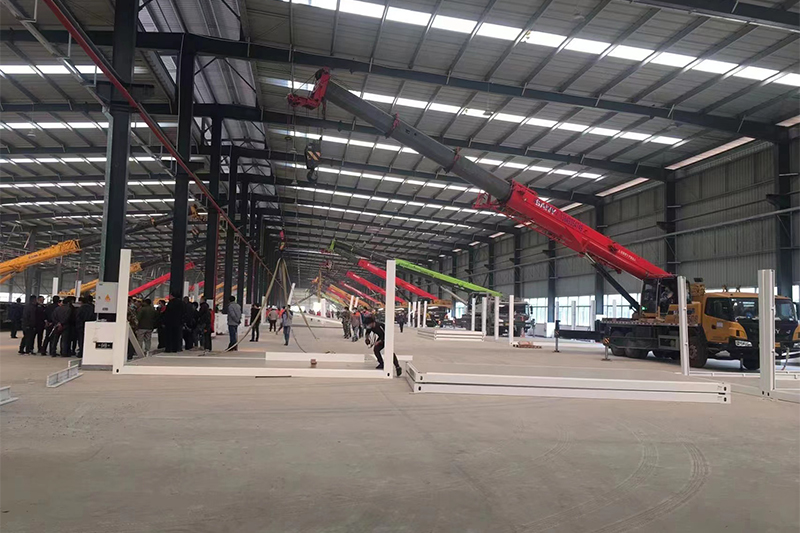
An individual folding unit can be fully deployed in 10 to 15 minutes by a crew of three workers and a standard 5-to-8 ton mobile site crane. The crane lifts the roof section using integrated corner casting hoist eyes, allowing the pre-hinged side panels to unfold naturally under gravity. Once upright, internal locking bars are bolted into place, instantly creating a rigid structural living envelope.
Q6: How are integrated MEP plumbing connections coupled when transitioning between collapsed and expanded states?
Internal electrical wiring utilizes flexible copper conductors housed within heavy-duty articulating polymer raceways. These loops bend safely inside the wall cavities during the folding process, preventing wire pinches. Plumbing connections utilize localized quick-connect PEX multi-unions or flexible braided stainless steel lines recessed within dedicated floor base access channels, allowing fast and secure system hookups once the house is open.
Q7: What international product quality and manufacturing certifications does the Foshan Zhonghui facility maintain?
Our manufacturing plant operates under a certified ISO 9001:2015 Quality Management System and an ISO 14001:2015 Environmental Management System. Our welding processes follow AWS D1.1 structural steel welding standards, and our finished products ship with CE, SGS, and BV international compliance certificates to meet strict customs and construction requirements worldwide.
Review additional technical models, floor layout choices, and specialized variants. Contact our engineering office for comprehensive wholesale quotes and step-by-step installation guides.
 ZHONGHUI HOLDINGS