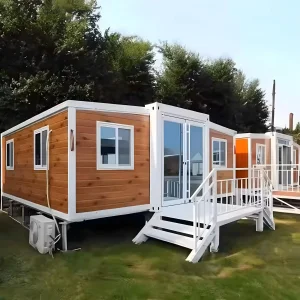
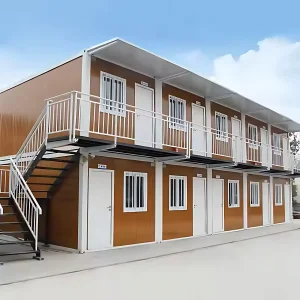
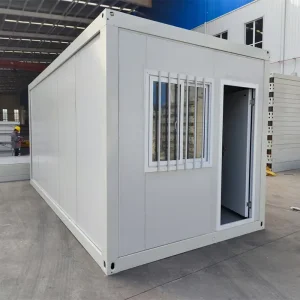
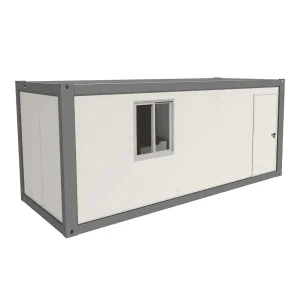
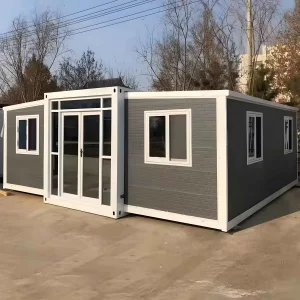
Explore our industrial-grade, certified portable container houses and pre-engineered building systems.
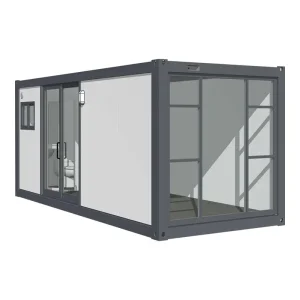
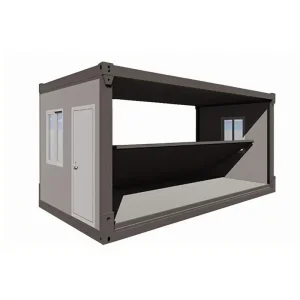
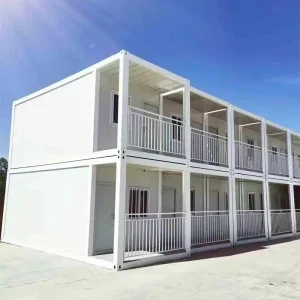
An in-depth whitepaper on off-site manufacturing, structural performance standards, and commercial feasibility.
The global construction industry is undergoing an unprecedented structural transition. Volatile material costs, severe on-site labor deficits, and demanding environmental ESG mandates have shifted modern real estate development away from conventional wet construction. High-performance portable prefab homes, manufactured under strict factory environments, have evolved from temporary site solutions into permanent architectural alternatives for the commercial, residential, and industrial sectors.
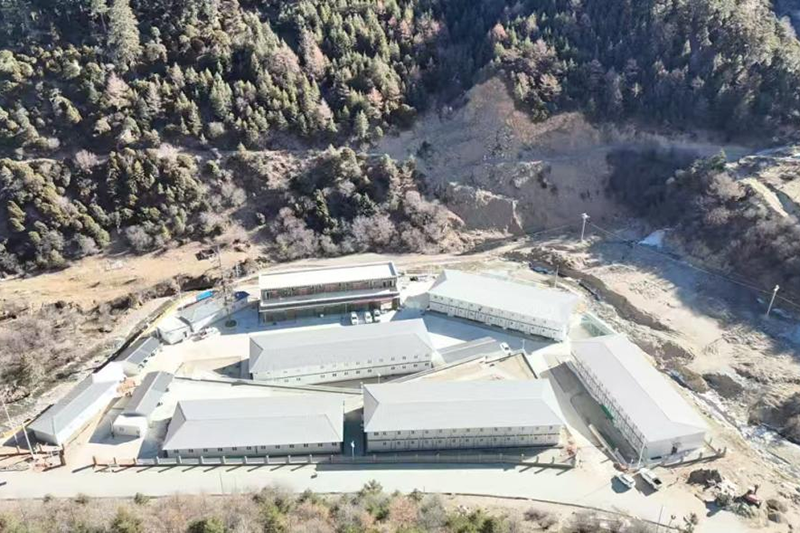
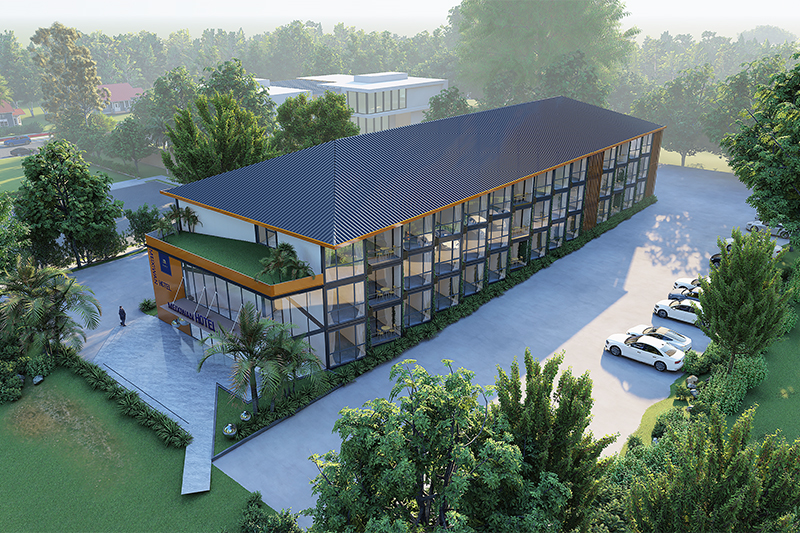
Across North America, Northern Europe, and the Asia-Pacific region, modular buildings are transforming logistics, mining infrastructure, workforce accommodations, and tourist resort developments. Driven by precision engineering, these structures offer an average reduction of 50% in delivery timelines compared to conventional building techniques. Modern prefabrication mitigates geographic constraints, allowing complete units to be deployed in harsh climes—ranging from high-altitude mining sites in Chile to remote island hotels in Cambodia.
Conforms to global structural compliance guidelines. Designed to resist wind velocities up to Class 11-12 and withstand Grade 8 seismic activities with specialized localized reinforcement.
Utilizes polyurethane (PU), rock wool, or EPS sandwich panels ranging from 50mm to 150mm. Configured to satisfy demanding regional heating, ventilation, and R-value energy metrics.
Designed for compact, stackable packing, dramatically lowering oceanic transport costs. Up to 8 standard units can be packed efficiently inside a single 40HQ container.
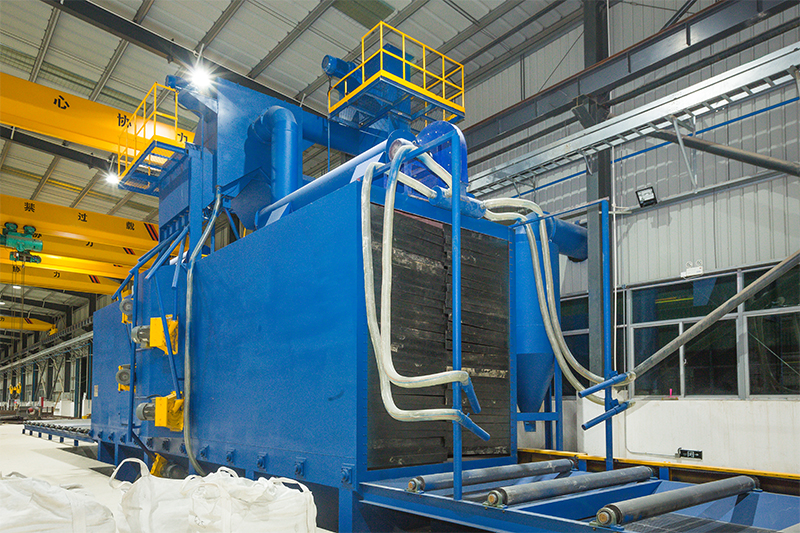
The structural load-bearing frame forms the backbone of any portable container house. Advanced manufacturers utilize cold-formed, hot-dip galvanized Q235B or Q345B steel structural profiles. These steel configurations are subjected to automated shot blasting, structural welding, and multi-layered anti-corrosive industrial coatings to ensure structural integrity in high-humidity coastal zones and chemically corrosive environments.
| Structural Parameter | Standard Specification | High-Load / Coastal Configuration |
|---|---|---|
| Steel Framework Grade | Q235B Cold-Formed Steel | Q345B Hot-Dip Galvanized Structural Steel |
| Galvanized Coating Density | ≥ 120 g/m² | ≥ 275 g/m² (Epoxy Rich Paint Finish) |
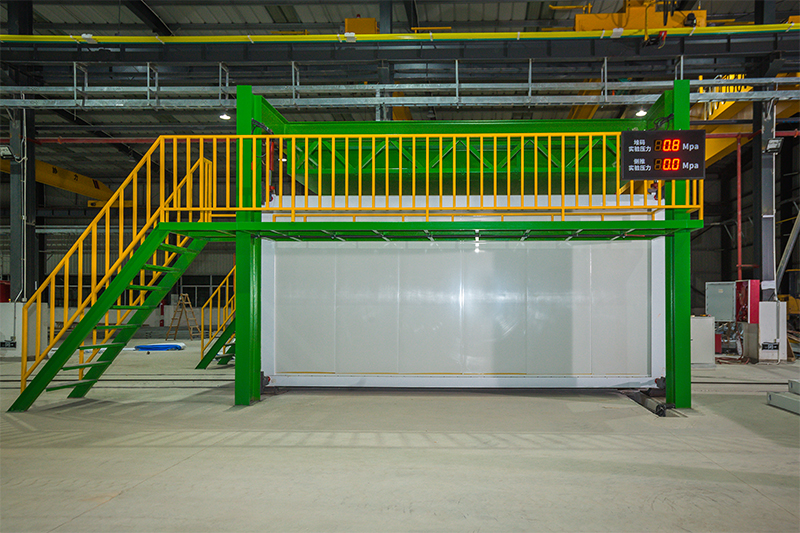
| Floor Live Load Rating | 2.0 kN/m² (Residential Standard) | 3.5 - 5.0 kN/m² (Heavy Industrial Office Standard) |
| Thermal Insulation R-Value | U-value: 0.38 W/(m²·K) (Standard 75mm EPS) | U-value: 0.22 W/(m²·K) (100mm High-Density PU Panel) |
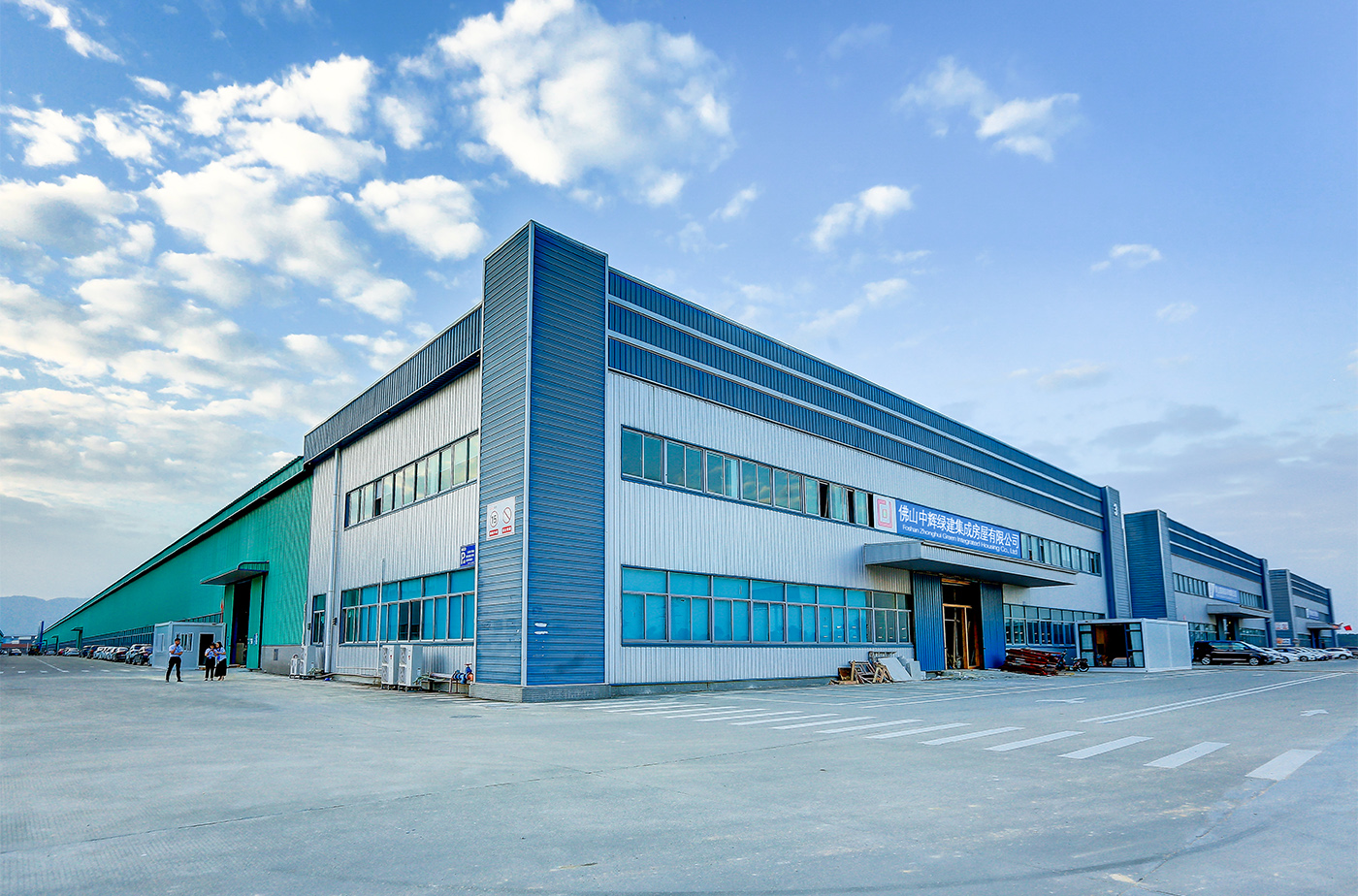
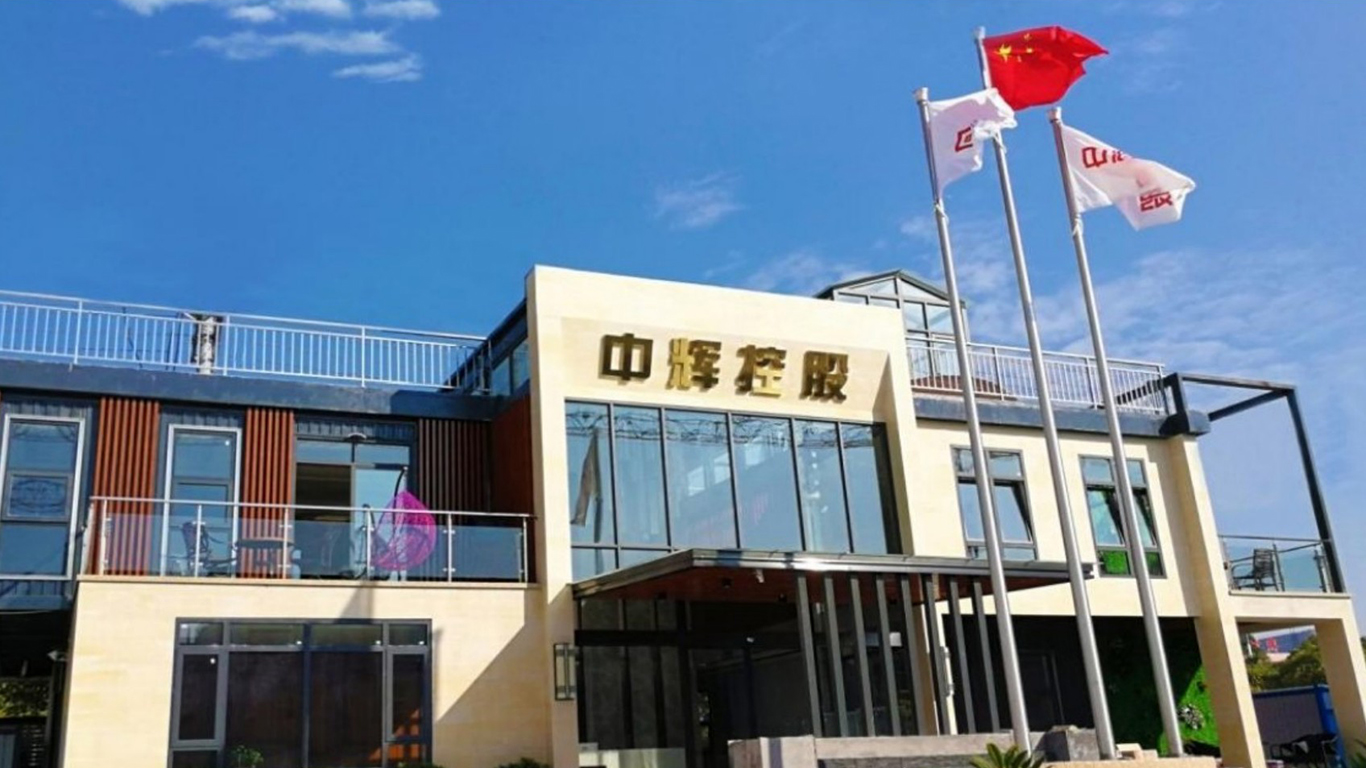
Strategically situated in the vibrant Greater Bay Area (Guangzhou - Hong Kong - Macao hub), Foshan Zhonghui Green Building Integrated Housing Co., Ltd. is a leading global enterprise. We combine structural design, engineering research and development, smart manufacturing, global logistics, and installation services into a comprehensive, single-source operation.
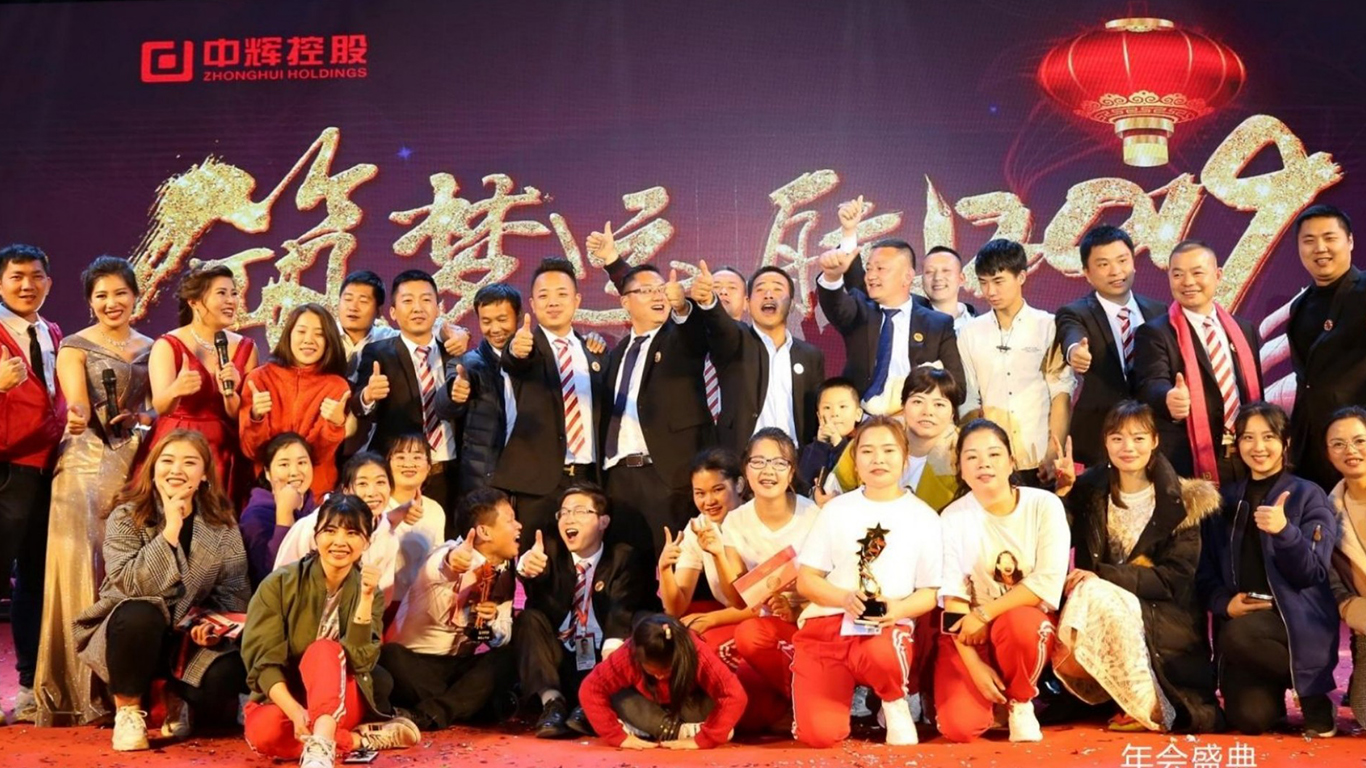
Founded on 15 years of industry excellence, our engineering teams have designed innovative modular projects across multiple continents. Zhonghui currently holds 46 invention patents and utility model patents, cementing our position as an industry pioneer. Our honors include the prestigious Container Creativity Floater Award, the consumer-voted Top Ten Loved Brands, and the Top Ten Most Influential Brands in modular green construction, making our firm a trusted engineering partner for large-scale operations.
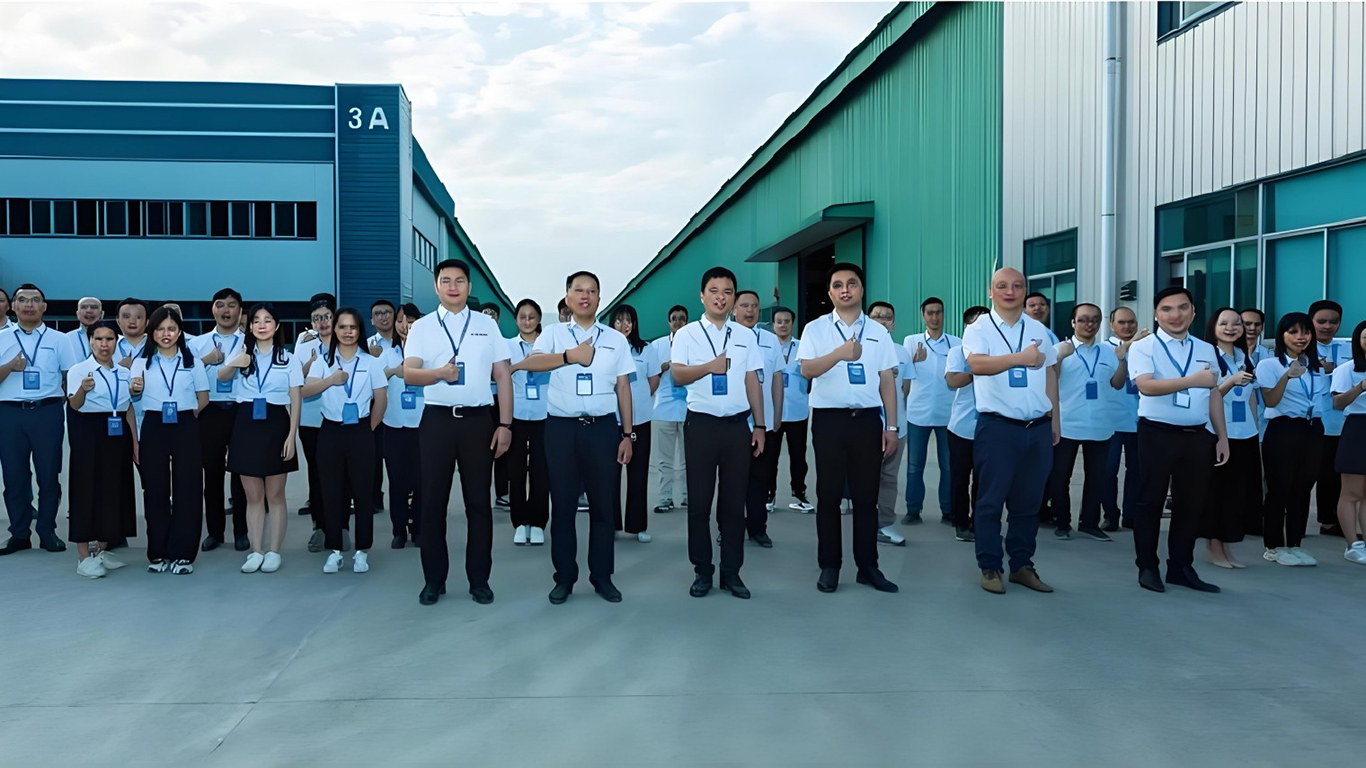
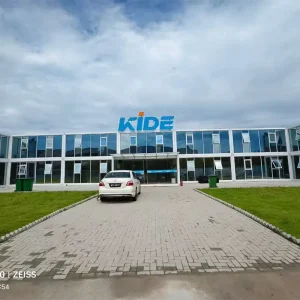
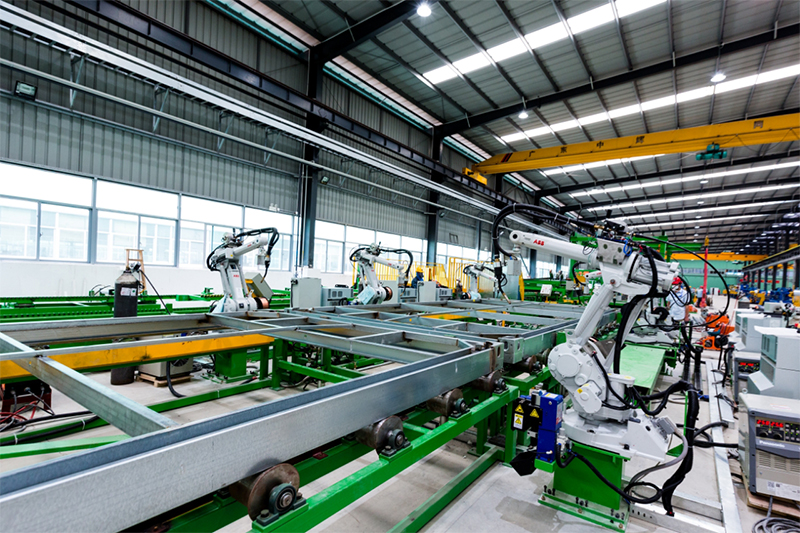
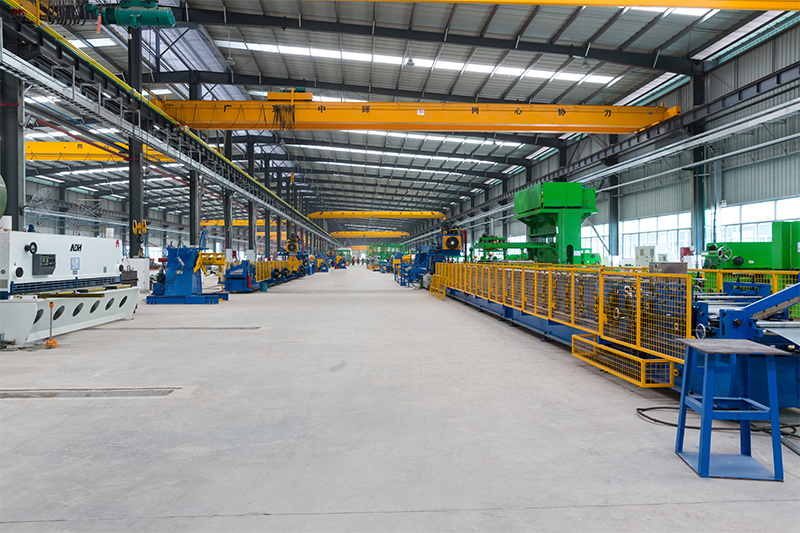
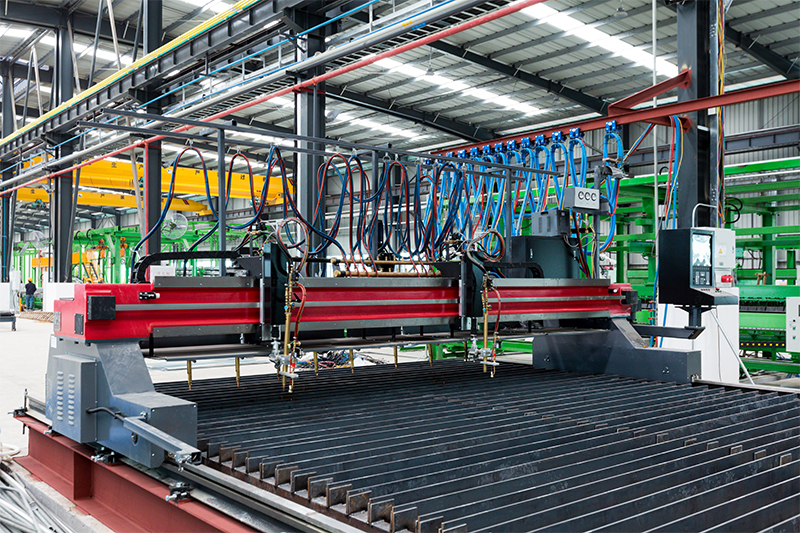
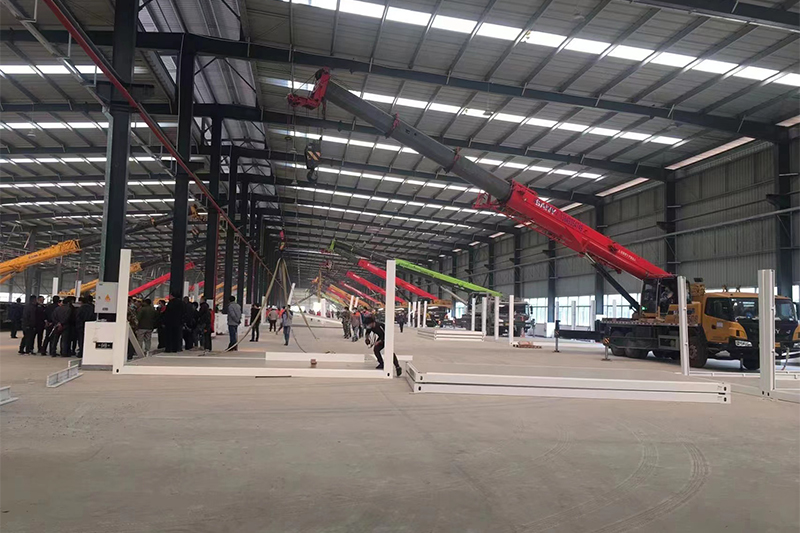
Standardized modern workshops ensure rapid production, high dimensional accuracy, and strict quality control.
Our factory features automated welding robots, CNC bending stations, and advanced electrostatic powder coating systems. Operating in the heart of China's primary steel fabrication cluster, we offer unparalleled supply chain advantages. Our optimized workflows allow us to source high-grade raw materials quickly and scale production efficiently to meet demanding international delivery schedules.
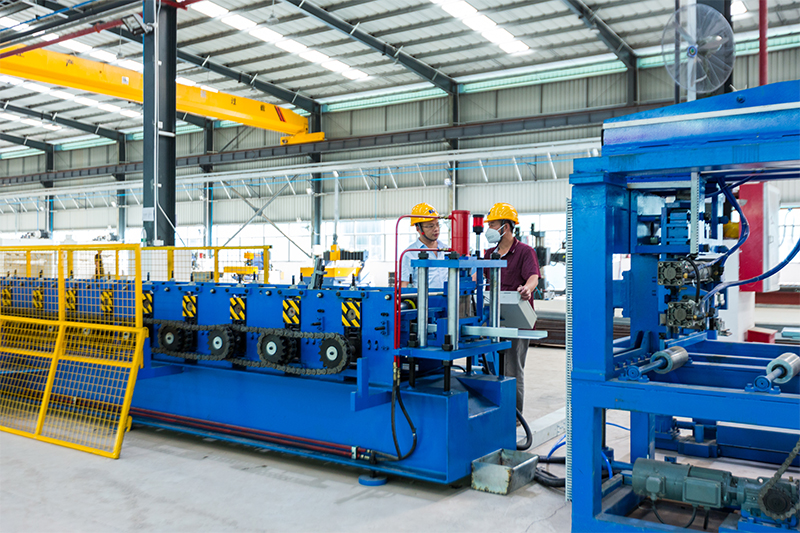
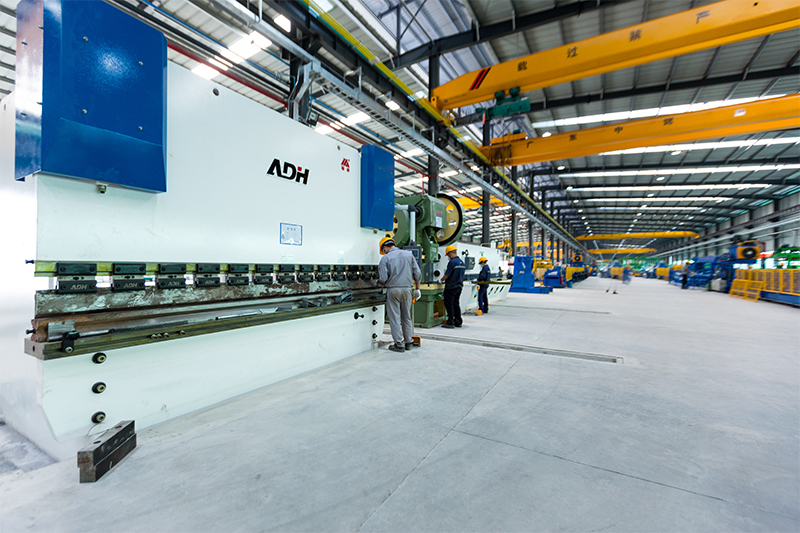
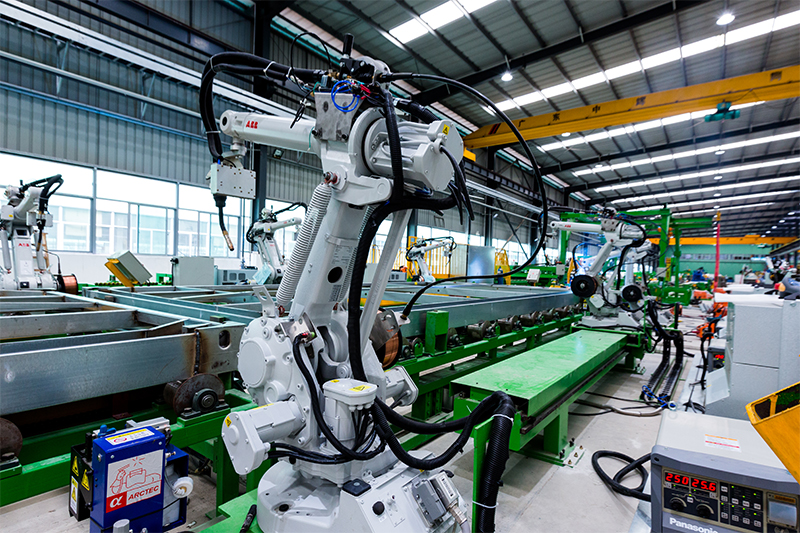
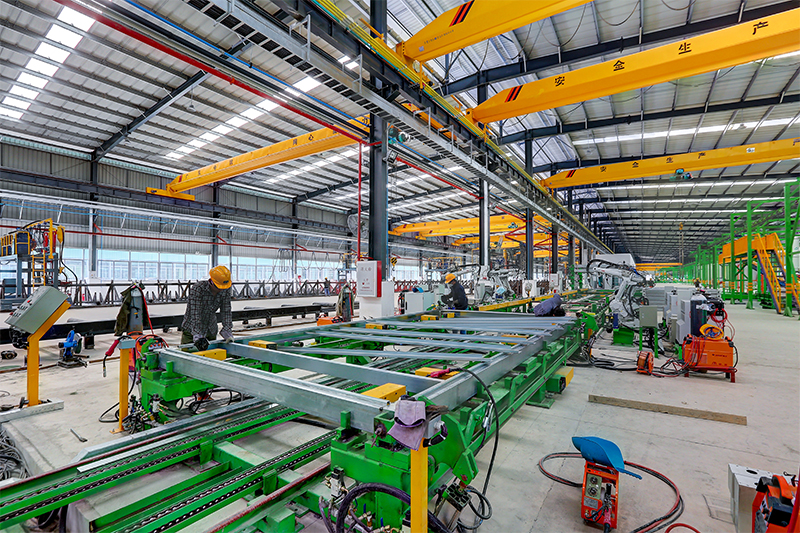
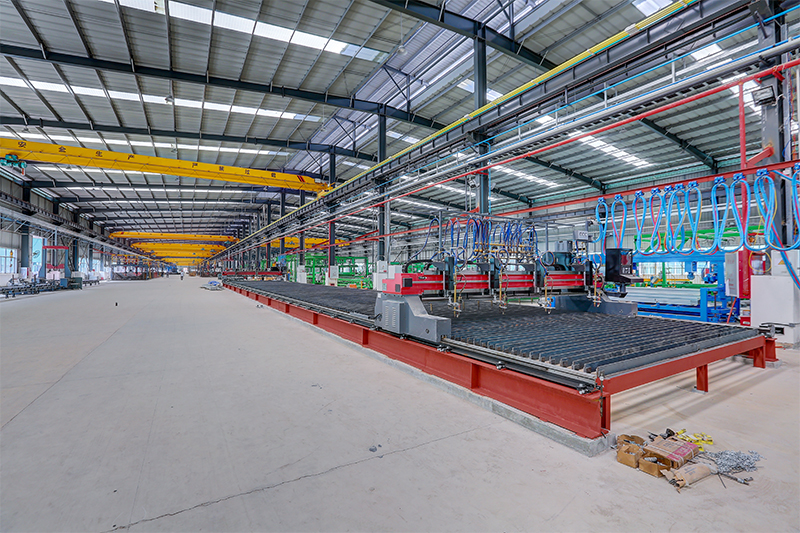
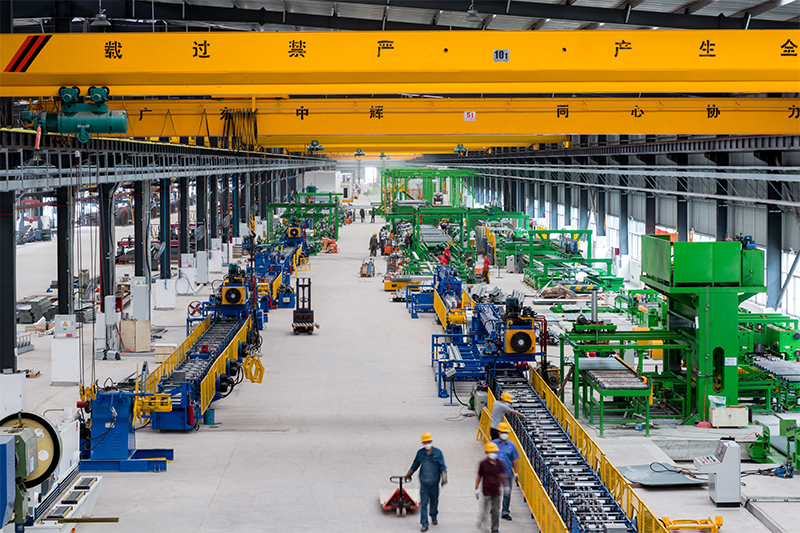
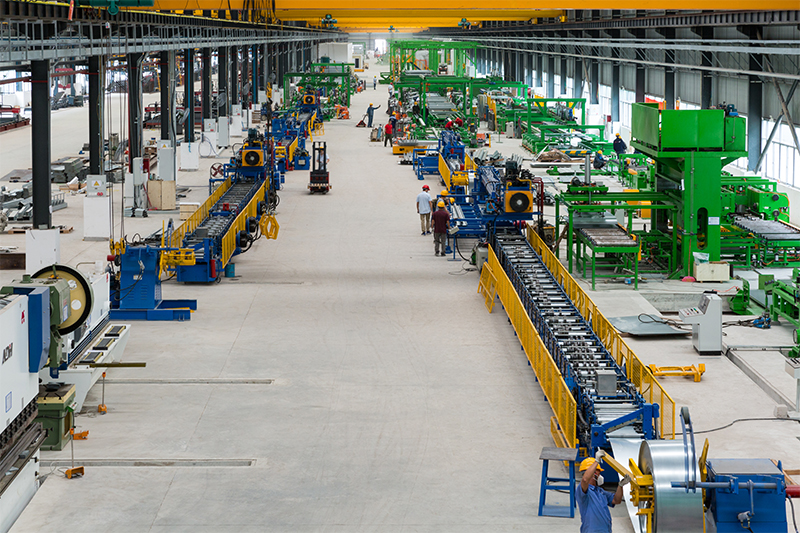
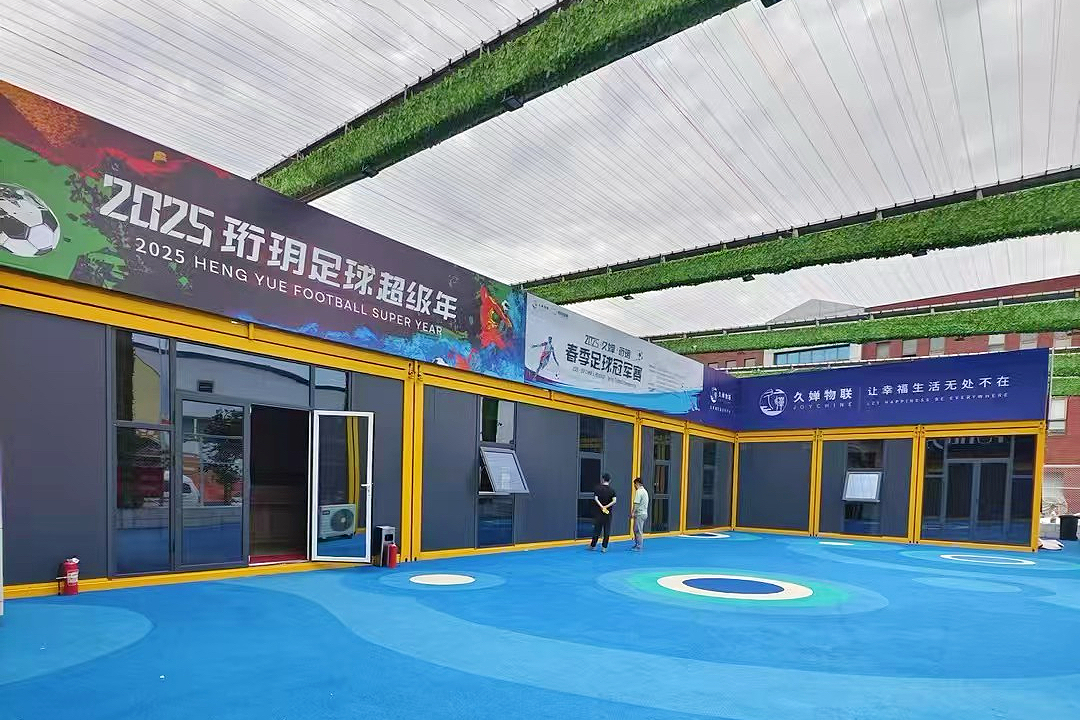
Proven reliability and versatile modular configurations implemented in major projects worldwide.
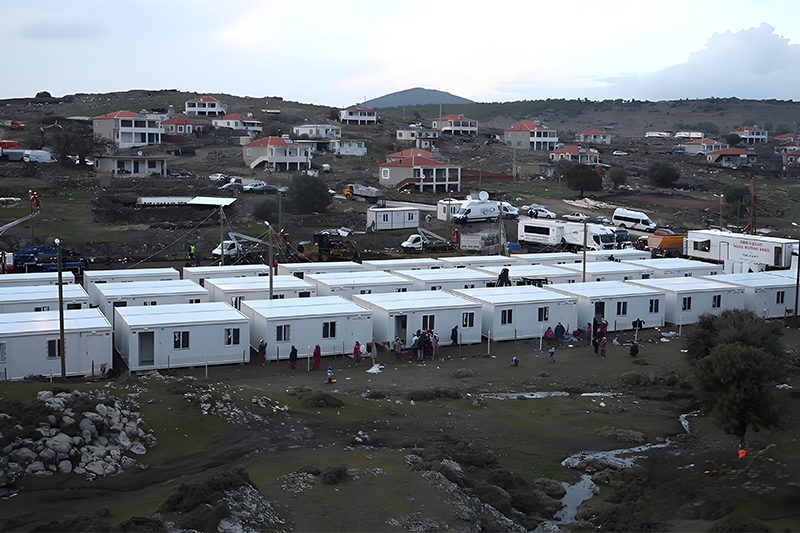
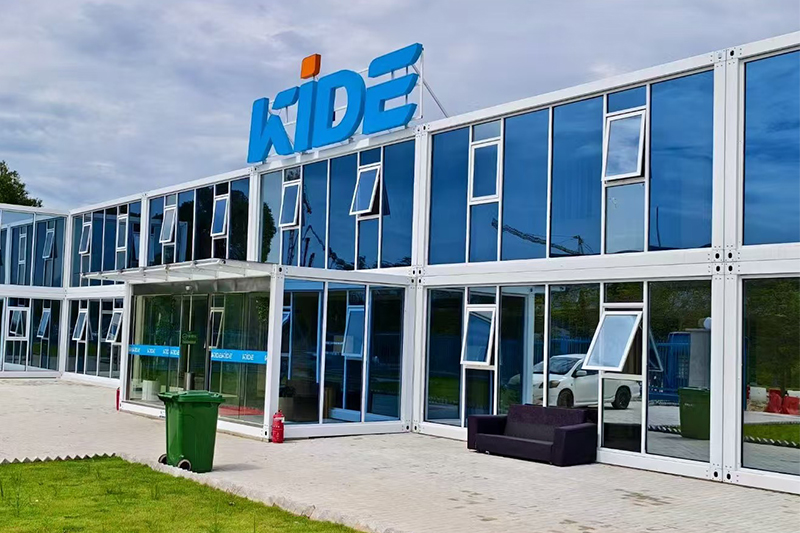
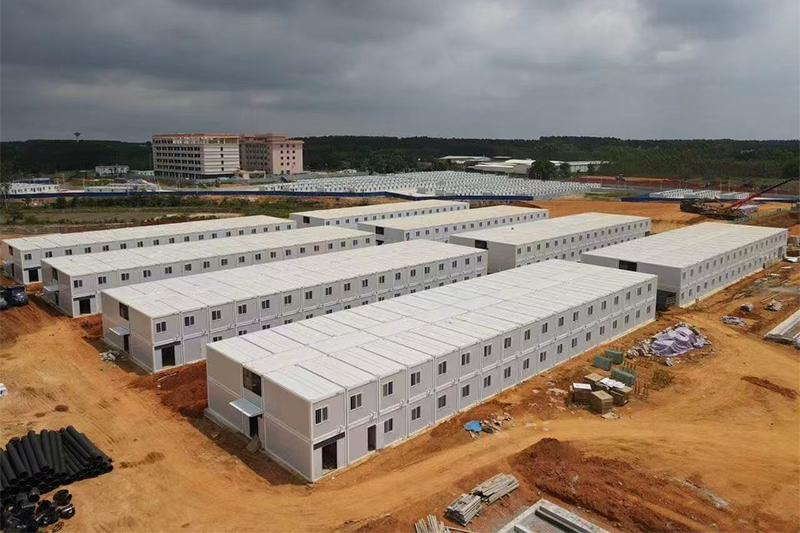
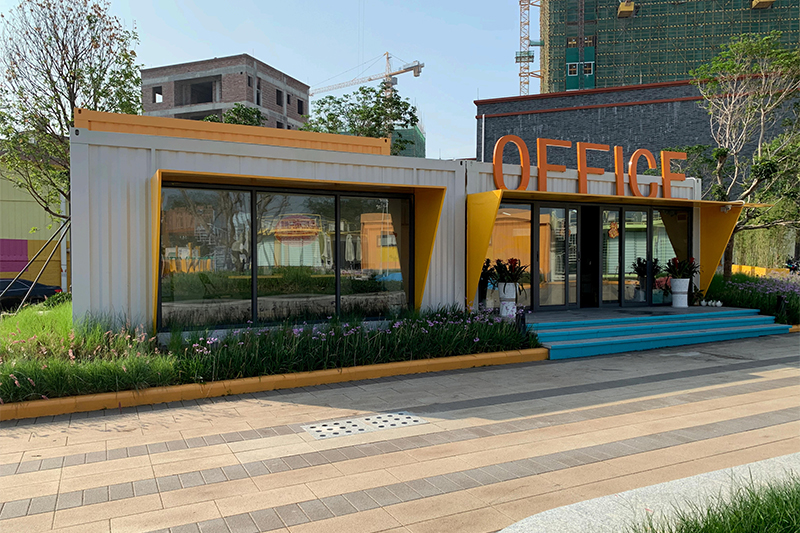
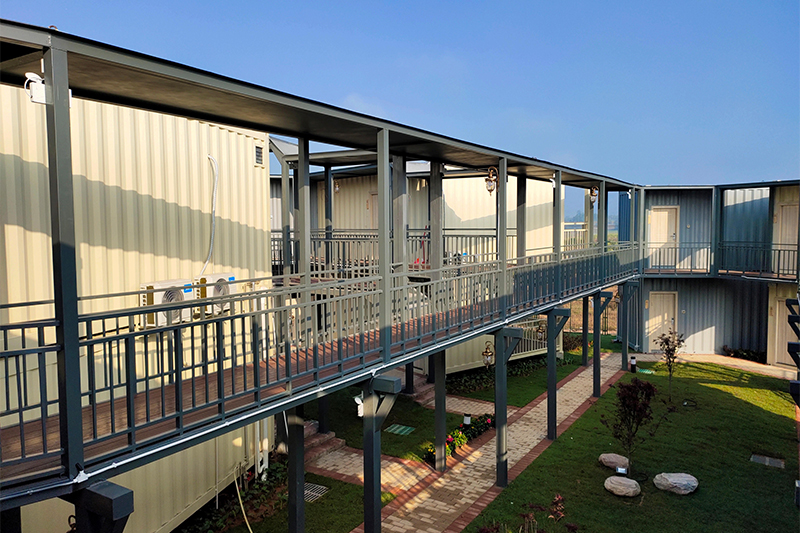
When engineering firms, EPC contractors, and global distribution buyers evaluate container house manufacturers, they prioritize technical compliance and logistics efficiency. Procurement decisions are typically based on three critical performance variables:
The industry is moving toward circular design, emphasizing high-grade recyclable steel, zero-waste manufacturing processes, and low-VOC interior finishes. Integrating solar micro-generation networks, greywater recycling loops, and smart building management systems (BMS) allows portable homes to operate as self-sustaining off-grid stations, opening up new opportunities for eco-tourism and remote exploration camps.
Direct answers from our structural engineers regarding materials, custom options, and logistical workflows.
Premium prefabricated structures engineered for instant installation, commercial offices, and resettlement logistics.
 ZHONGHUI HOLDINGS