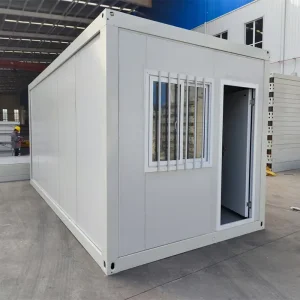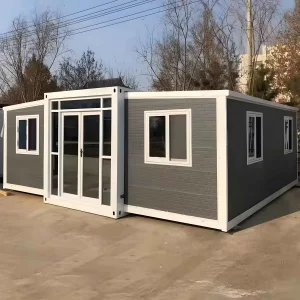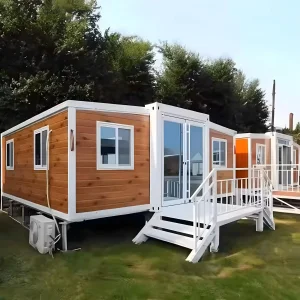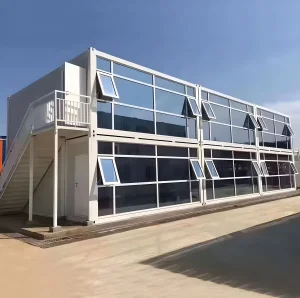
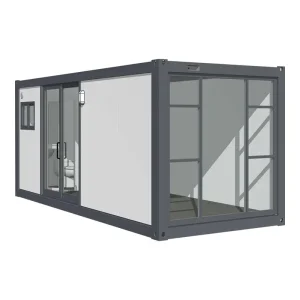
High-Quality Slideable Storage Unit Manufacturer & Factories

Innovative Green Integrated Housing, Space Optimization & Industrial Grade Prefabricated Modular Structures Engineered for Global Enterprises

Overview of Slideable Storage & Expandable Modular Engineering

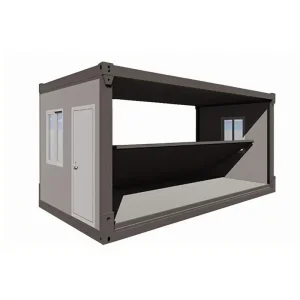
In modern industrial, commercial, and emergency relief operations, space allocation and transport logistics dictate economic outcomes. The emergence of the Slideable Storage Unit and expandable modular shelter structures has revolutionized spatial dynamics. These specialized modular containers are constructed using high-yield galvanized steel frames, integrated roller tracks, and precision locking mechanisms, enabling them to expand from a standard transport footprint to up to triple their original width on site.

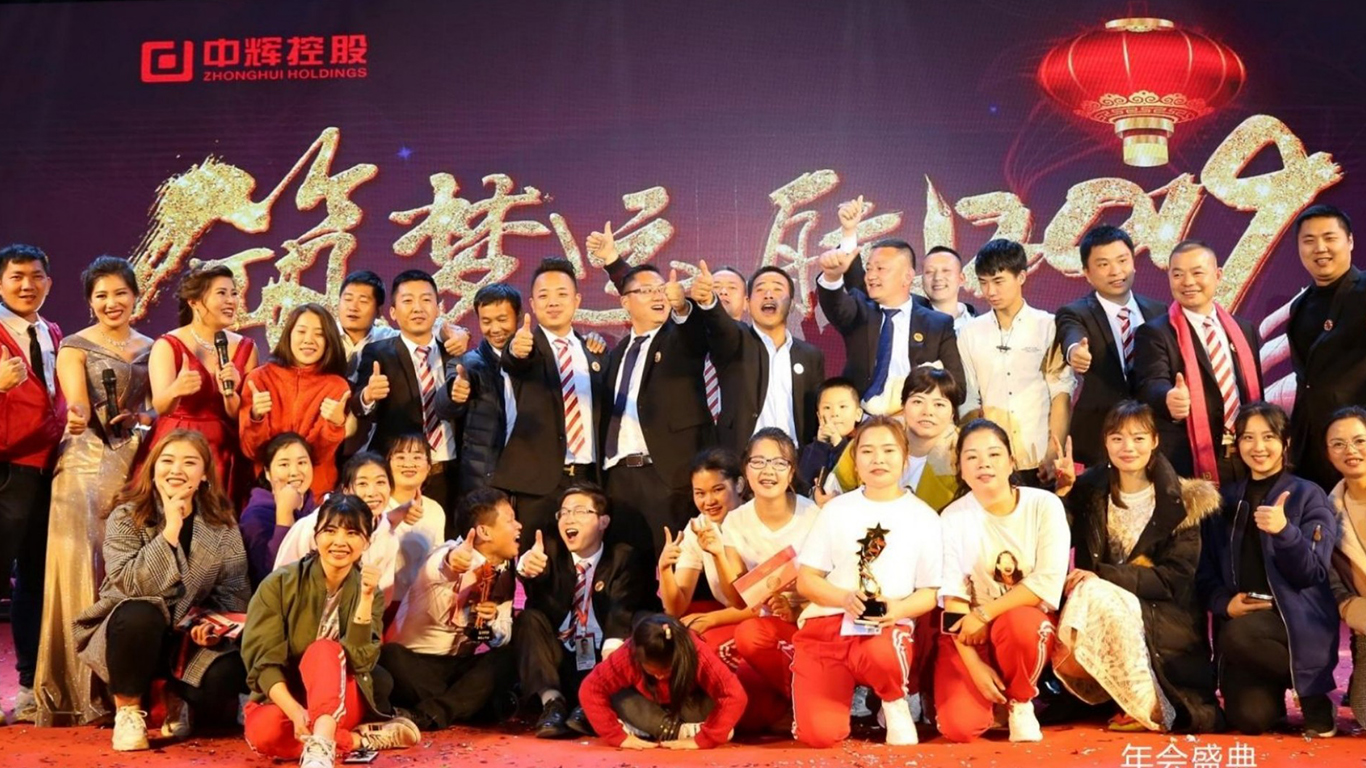
As a leading pioneer in this sector, Foshan Zhonghui Green Building Integrated Housing Co., Ltd. (operating from the strategic industrial node of the Guangdong-Hong Kong-Macao Greater Bay Area in Guangzhou/Foshan) has spent the last 15 years engineering next-generation structural modular designs. With over 46 invention and utility model patents, the firm provides end-to-end integration, covering initial architectural layout, structural R&D, automated manufacturing, and global shipping. We ensure all structures are wind-load and seismic certified to safeguard personnel and assets under the most hostile environments.

46+ Patents Registered
ISO9001:2015 Standards
ASCE 7-16 Structural Rating
SGS & TUV Audited Facilities
C4H Structural Protection

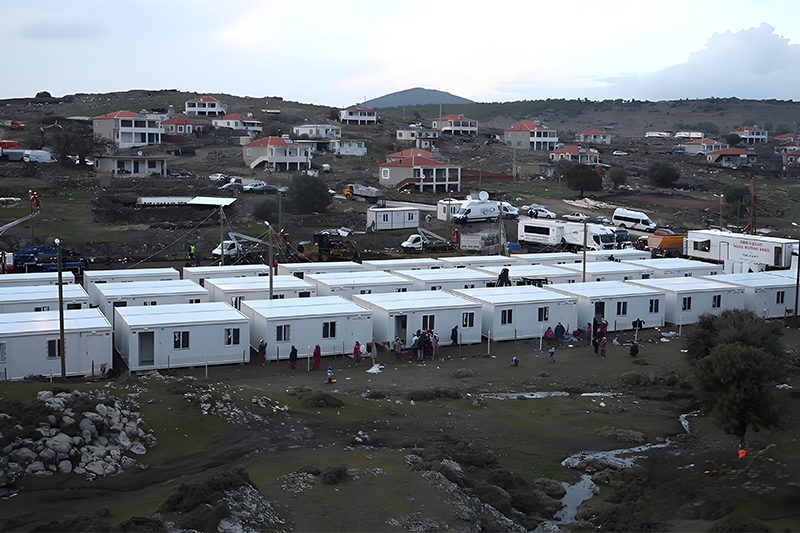
From modular offices and industrial mining camps to luxurious flat-pack geothermal villas and quick-deployment emergency hospitals, slideable modular units solve the fundamental paradox of logistics: how to transport a massive, highly finished space efficiently across oceans and land without paying for oversize load permits.

15+
Years Industry Authority
46
National Patents
120+
Countries Deployed
10 Days
Standard Site Installation

About Foshan Zhonghui Green Building

Foshan Zhonghui Green Building Integrated Housing Co., Ltd. represents the absolute state-of-the-art in sustainable modular construction. Strategically headquartered near key ports in the Greater Bay Area, the company is built on a foundation of scientific spatial design and robust engineering.

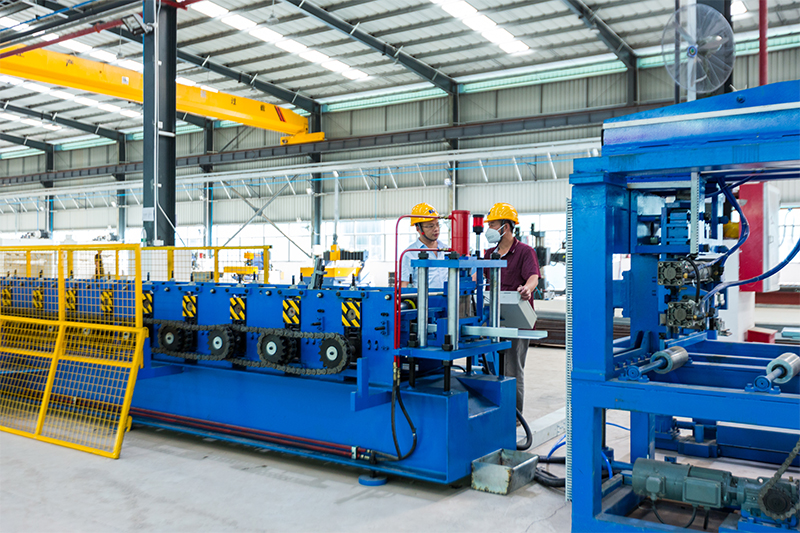
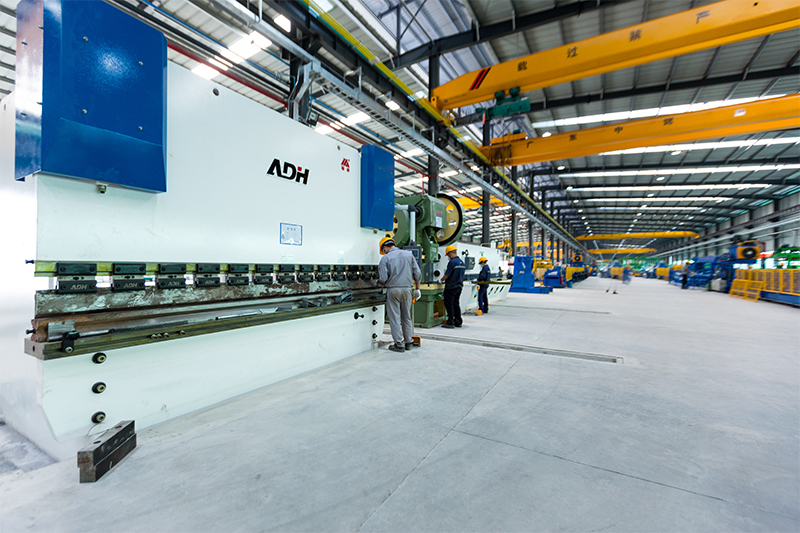
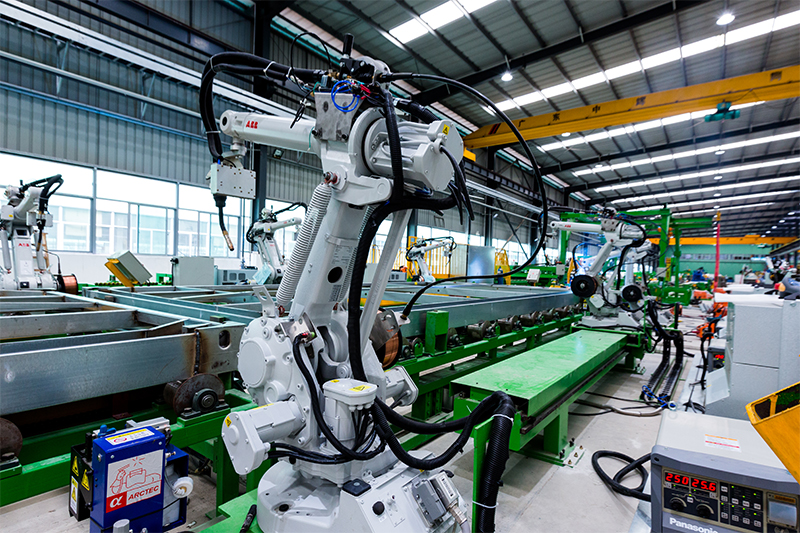
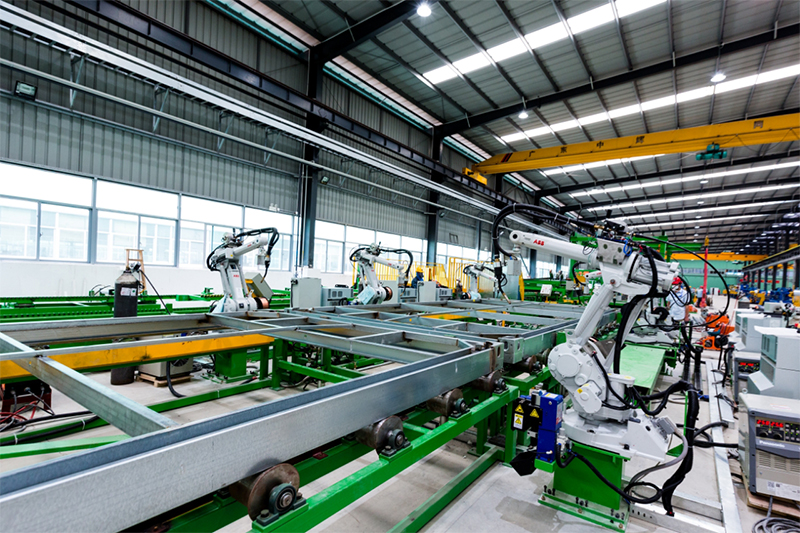
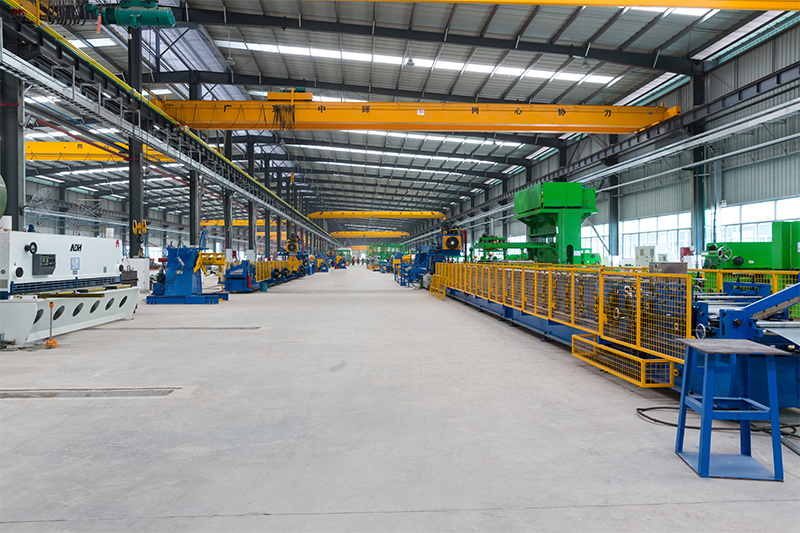
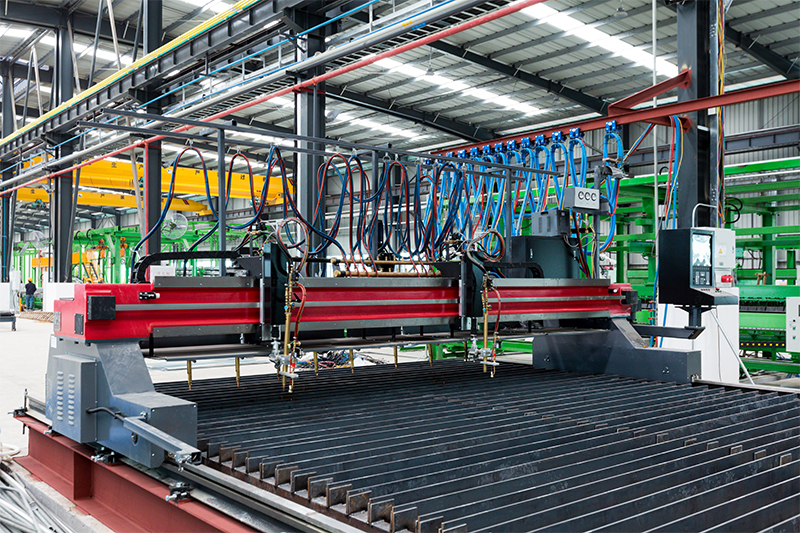
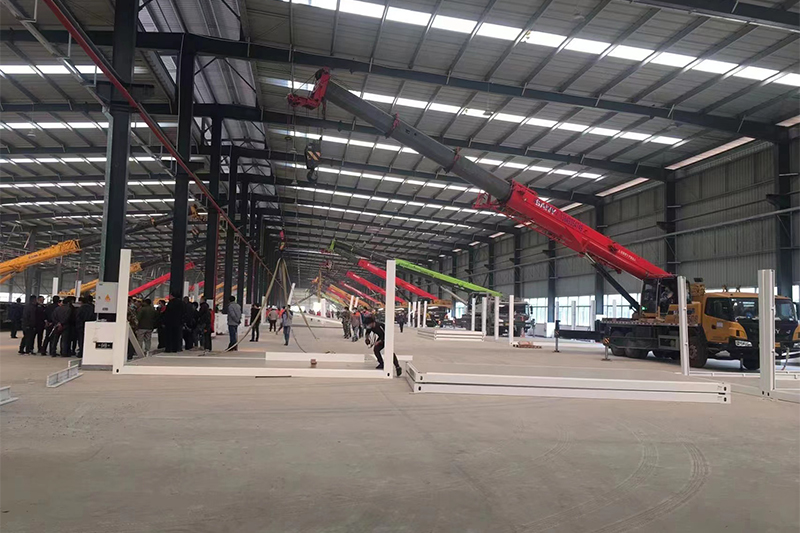
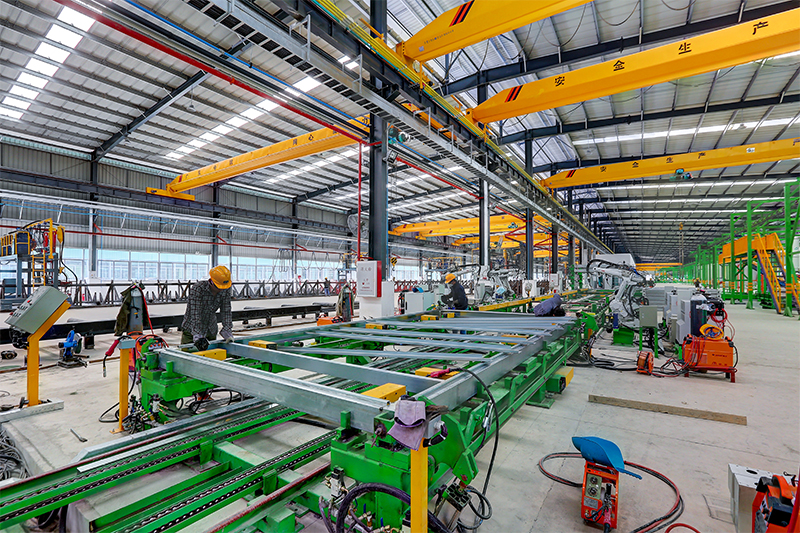
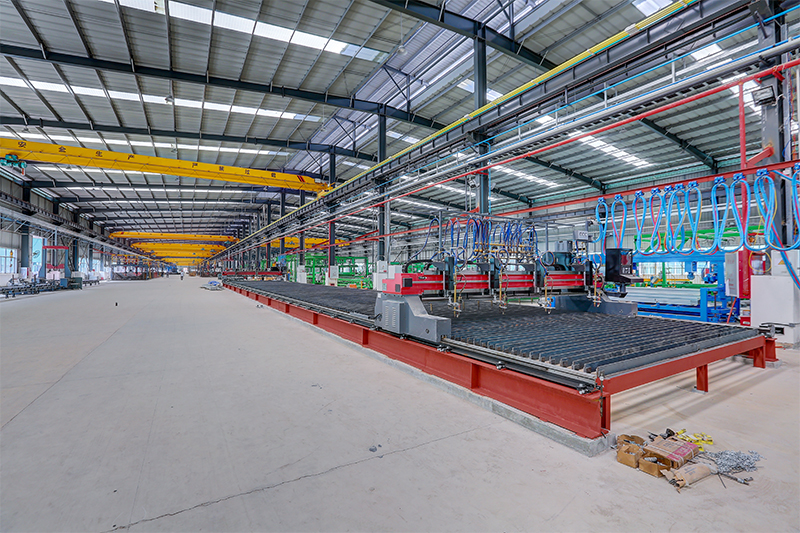
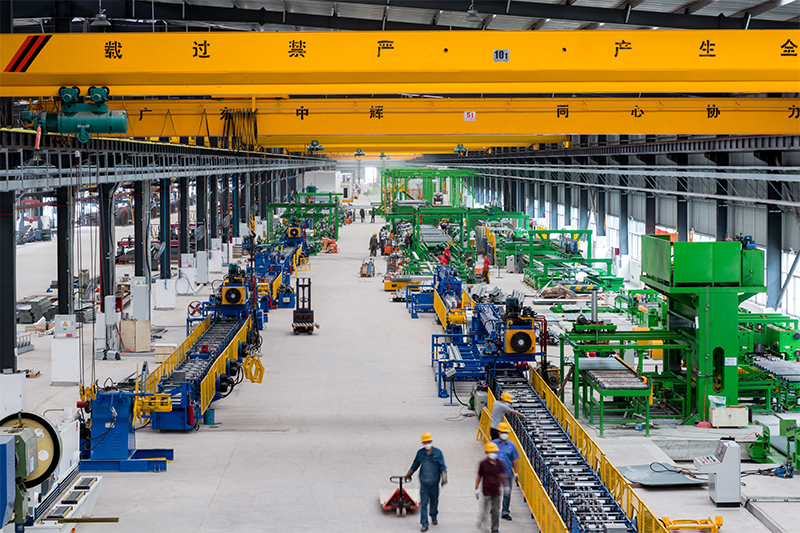
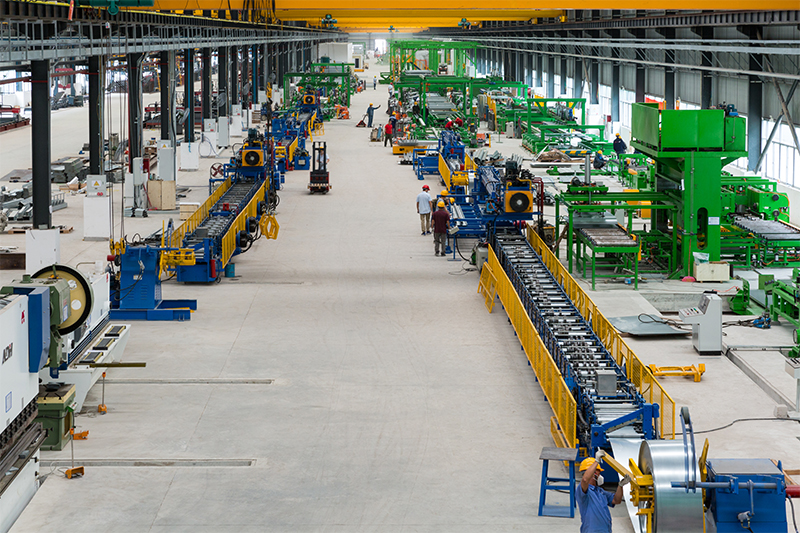
Zhonghui's dedication to quality is validated by multiple prestigious accolades, including the Container Creativity Floater Award, recognition as a Consumer Top Ten Official Love Brand, and listing among the Industry's Top Ten Influential Brands. Operating standard manufacturing complexes equipped with high-capacity laser profiling, robotic welding tables, and specialized coating ovens, the company is the standard-setting business card enterprise for Chinese prefabricated solutions.
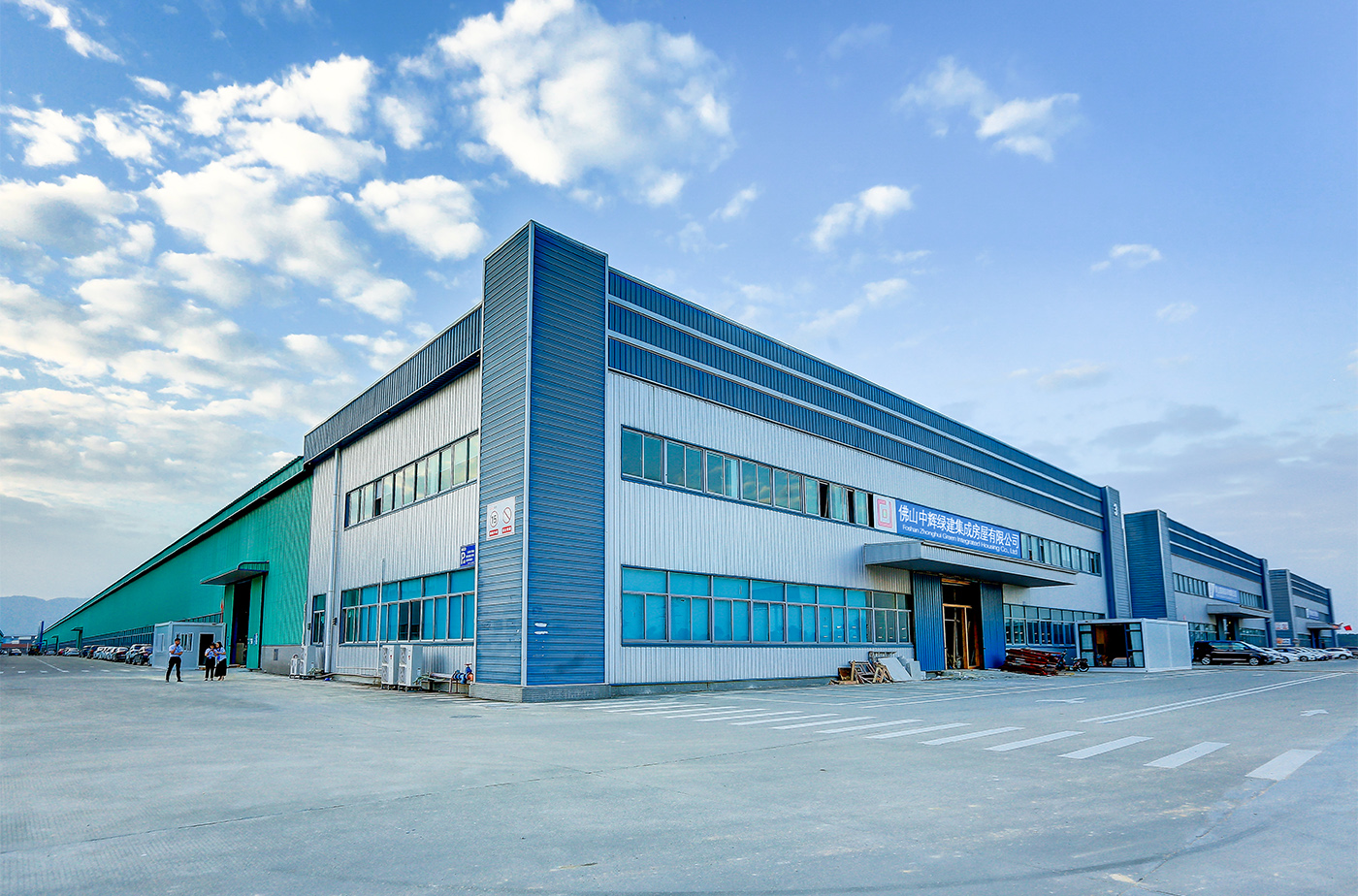
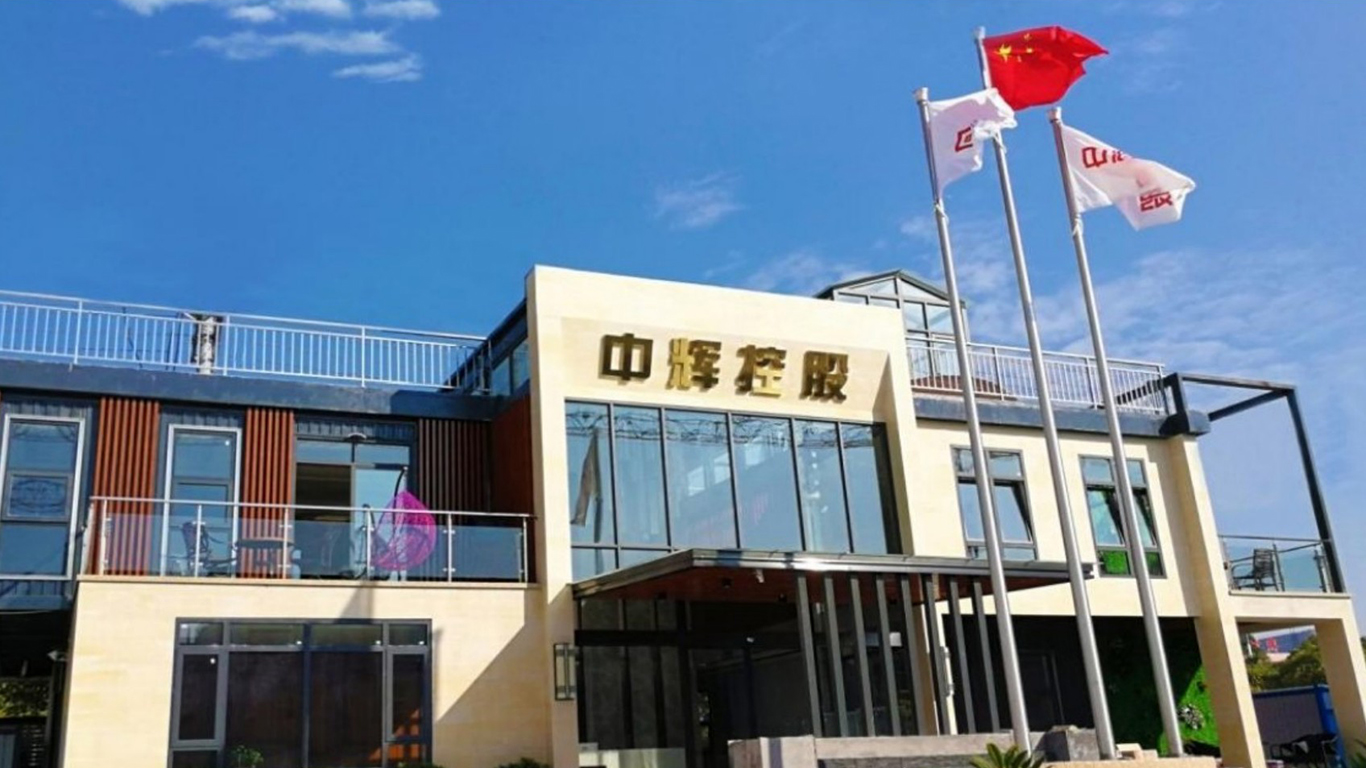
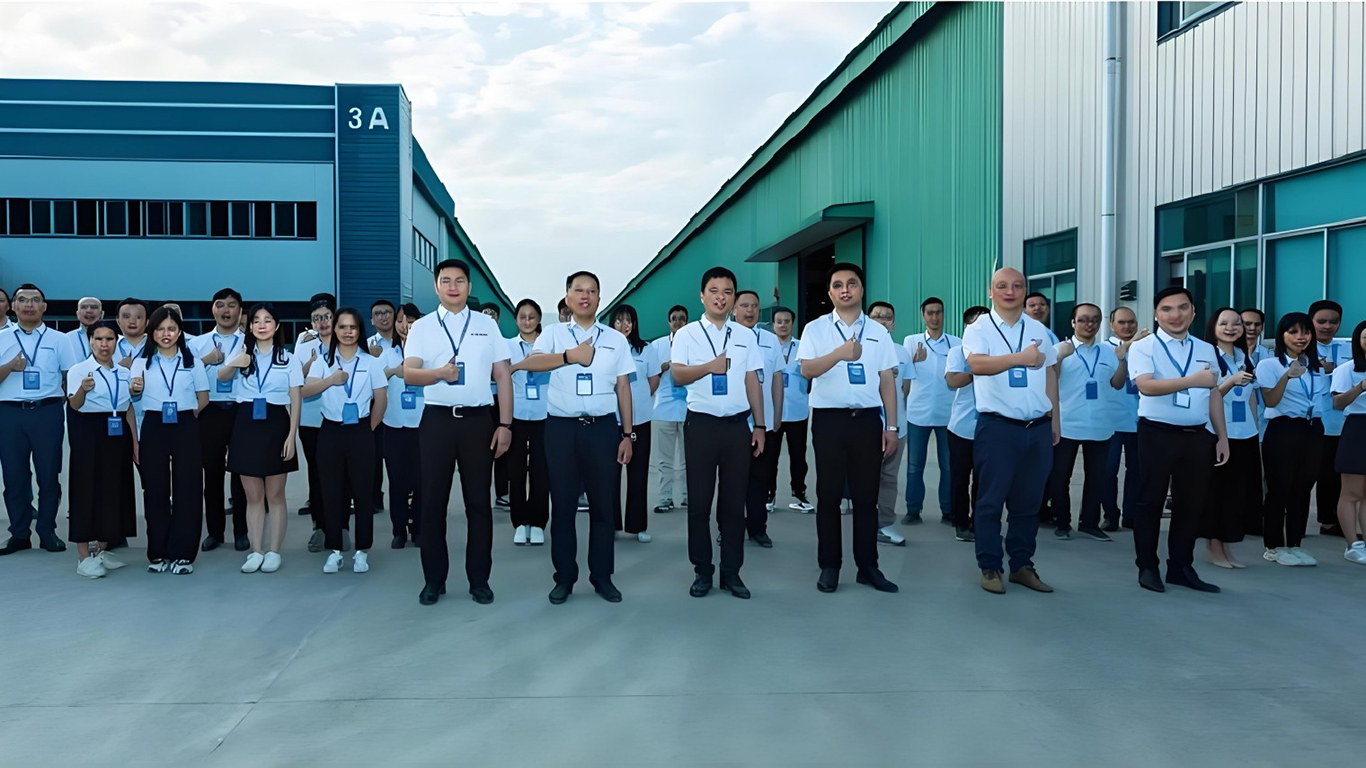
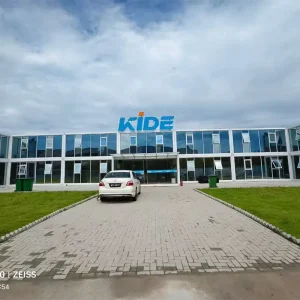
Foshan Zhonghui Green Building Integrated Housing Factory

China's Supply Chain Edge & Global Procurement Dynamics

1. Unmatched Ecosystem Efficiencies in the GBA

The concentration of premium hot-dip galvanizing, steel milling, roll-forming, and heavy manufacturing infrastructure in Southern China enables us to obtain high-grade raw components at competitive rates. Because our facilities are located inside the industrial epicenters of Foshan and Guangzhou, we reduce transportation bottlenecks, decrease initial procurement overhead, and maintain absolute control over the quality parameters of structural elements.

2. Advanced Compliance Engineering (Local Codes)

Customizing buildings to pass the demanding regulatory frameworks of Australia, New Zealand, North America, and Europe is standard protocol at our facility. All modular structures are engineered to satisfy localized compliance matrices, including the Building Code of Australia (BCA) / National Construction Code (NCC), the International Building Code (IBC), and European CE marking directives. By integrating fire-retardant structural cores (such as mineral rock wool with values of A1 non-combustibility), ensuring compliant plumbing layouts, and deploying structural calculation sheets for zone-specific wind load capabilities up to ASCE 7-16 guidelines, we eliminate installation roadblocks during municipal permitting.

3. Heavy-Duty Specifications and Engineering Standards

Structural Parameter Technical Specification Details Compliance Standards Applied
Steel Framework Hot-Dip Galvanized Q235B / Q345B Steel Frame; Thickness: 3.0mm–4.5mm ISO 1461, ASTM A123 AS/NZS 1170, Eurocode 3
Floor Structure 18mm Fiber Cement Board + Heavy Duty Commercial PVC/Laminate Finish EN 13501-1 Fire Class B-s1 ASTM E84 Flame Spread
Wall Panel Core 50mm/75mm/100mm High-Density Rockwool or Polyurethane (PU) Panel GB 8624 (Class A1), AS1530.4 EN 13501-1, UL 94
Seismic Tolerance Grade 8 Seismic Event Structural Integrity Preservation GB 50011-2011, IBC Chapter 16 Eurocode 8
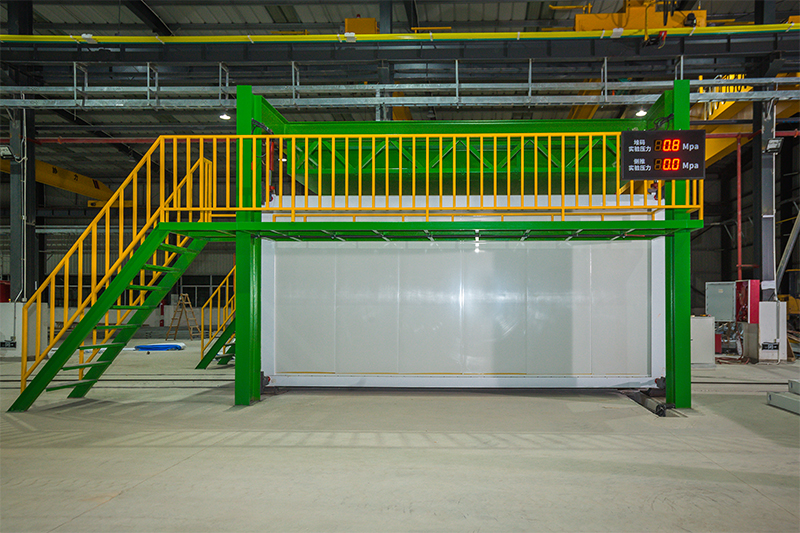
Wind-Load Rating Up to 120 km/h (Optionally reinforced up to 180 km/h) ASCE 7-16, BS 6399 AS/NZS 1170.2

Proven Global Deployment Portfolio & Cases

We continuously construct more production bases to deliver green construction solutions globally. Explore some of our key case studies and deployments below:
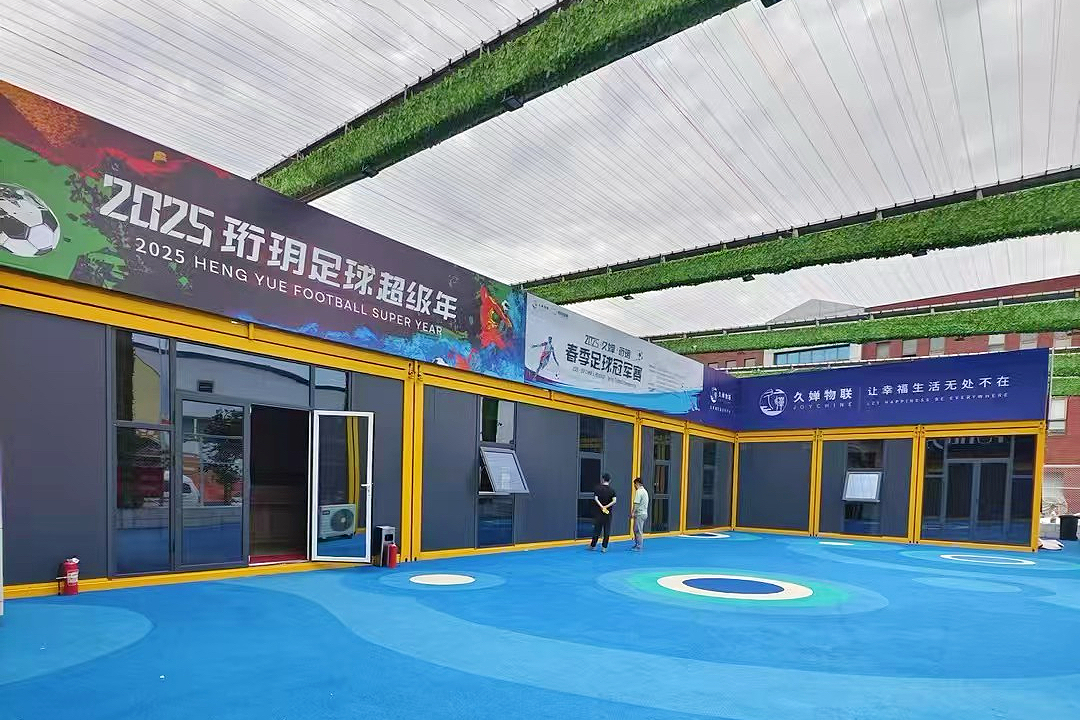
Modular Football Club

Modular Football Club

View Products
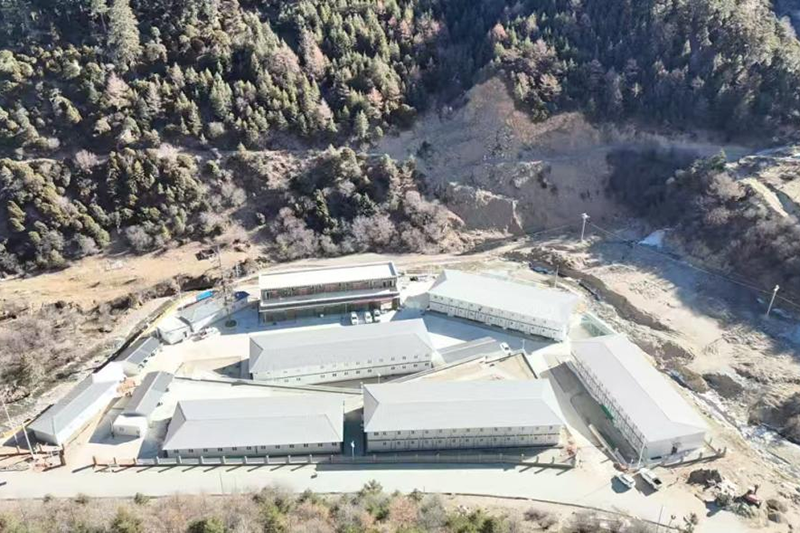
Chile Mining Camp Project

Chile Mining Camp Project

View Products
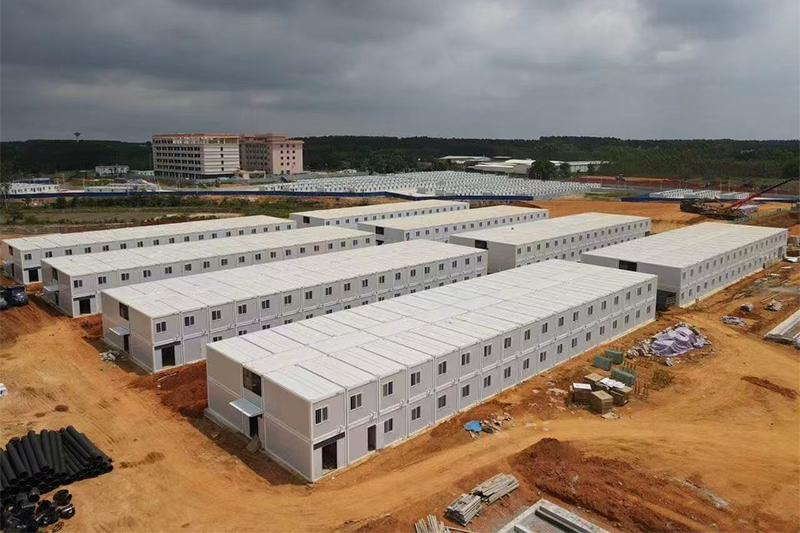
Zhonghui House Delivers 3000 Container Houses

3000 Container Houses Delivery

View Products
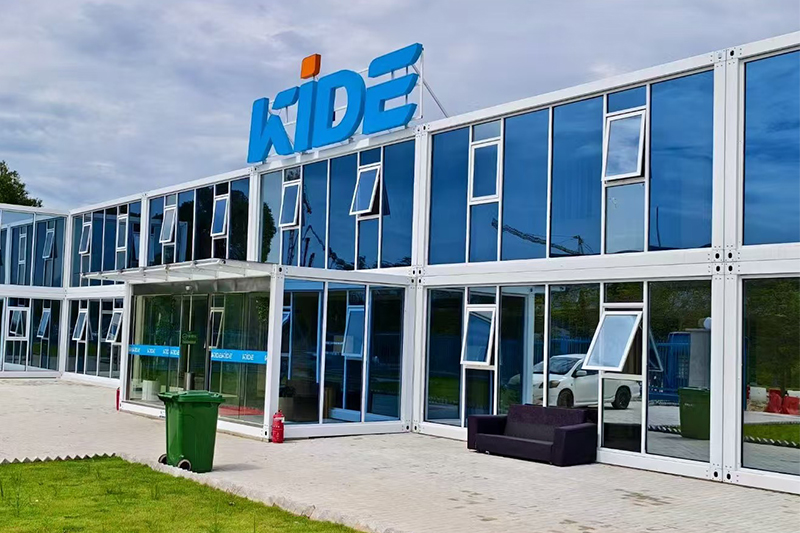
Construction Site Office Project In Malaysia

Malaysia Construction Site Office

View Products
QuickBox Residency

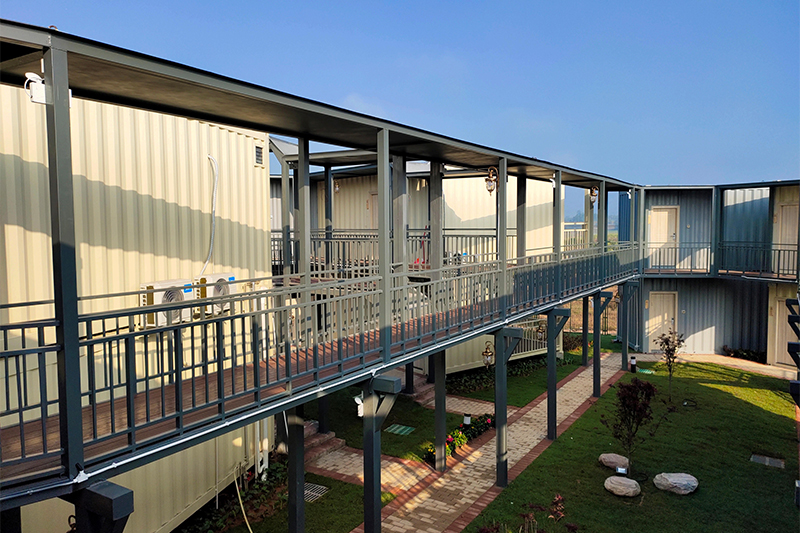
QuickBox Employee Residency

View Products
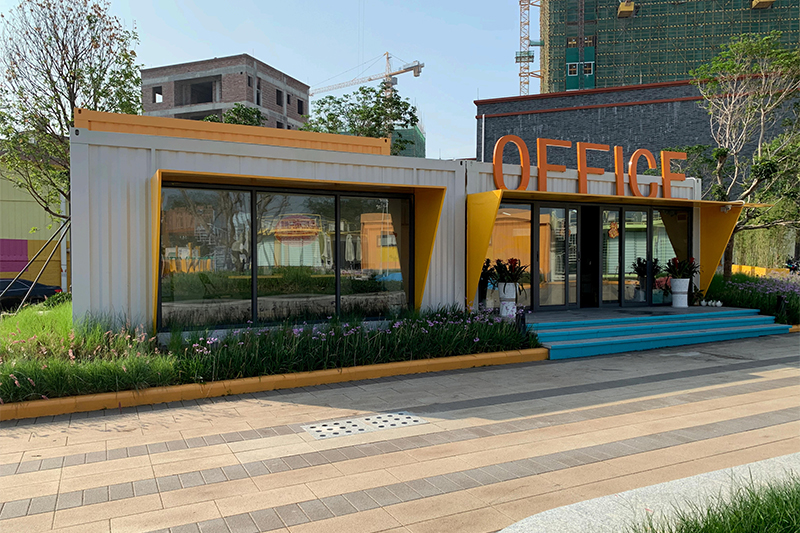
Commercial Street and Office Project in Maui America

Maui Commercial Street Project

View Products
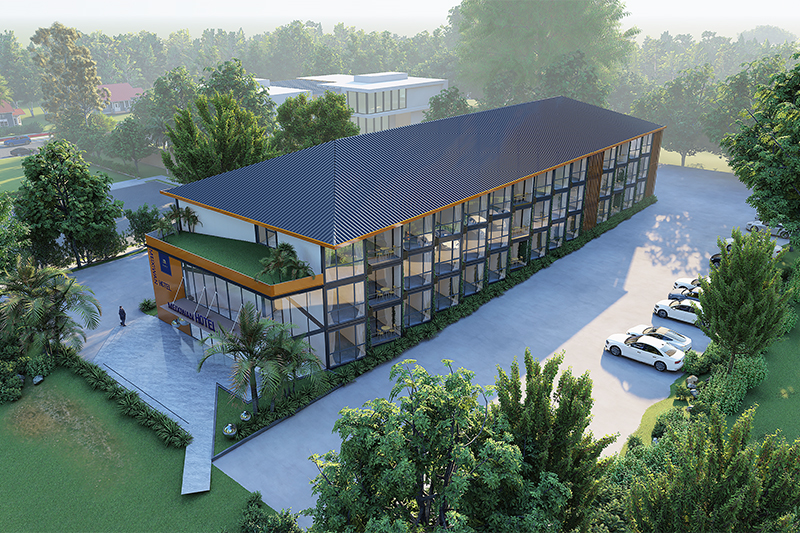
Seven Seas Container Hotel in Cambodia

Seven Seas Hotel in Cambodia

View Products
Container Resort Project in Huizhou Guangdong

Huizhou Eco-Resort Project

View Products

Expert Q&A: Prefabricated Modular & Slideable Units

Q1: What are the engineering advantages of a slideable or expandable modular container over standard fixed containers?
Slideable and expandable modular units provide up to three times the spatial capacity of standard static freight containers while retaining the global transport properties of ISO standard containers. This structural transformation relies on internal high-grade guide tracks, multi-point heavy-duty hinges, and mechanical winch/hydraulic extension joints. Because the units remain compact during shipment, logistics costs are identical to shipping standard dry containers. Once on site, they can be expanded in minutes, significantly reducing labor hours, staging resources, and civil foundation work.
Q2: How do your factories ensure moisture protection and anti-corrosive properties in humid environments?
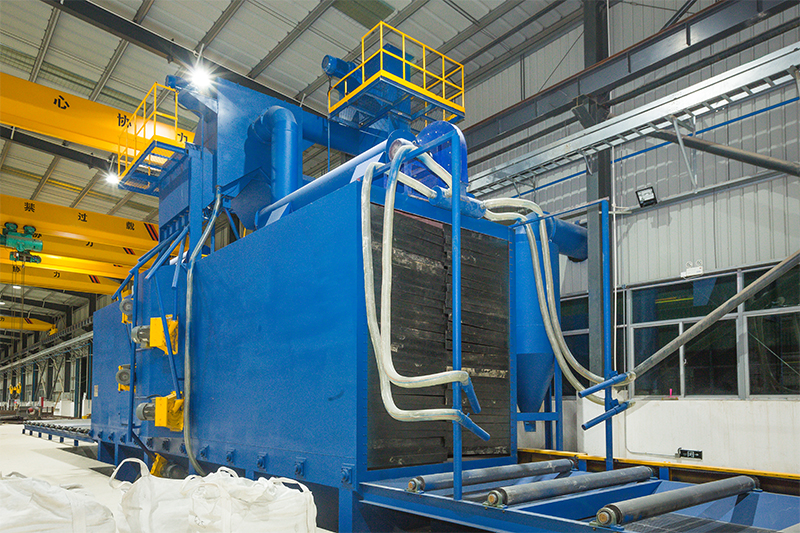
Our manufacturing pipeline features a rigorous dual-stage paint protection methodology. The complete structural sub-base and framing components undergo extensive steel shot-blasting to remove rust and impurities (ISO Sa 2.5 standards). We then apply a premium primer coating containing zinc-rich epoxy, followed by a double-coat acrylic polyurethane topcoat (total DFT ≥ 100μm). This combination is highly resistant to saltwater spray and UV damage. Our sealing systems utilize multi-barrier, EPDM-grade weatherstripping along with exterior polyurethane caulking, preventing moisture ingress at all slide points and joint profiles.
Q3: Can your modular offices and homes be customized for extreme thermal regions, such as sub-zero or desert mining camps?
Yes, our units are engineered for extreme thermal performance. We offer varying wall envelope systems including 50mm, 75mm, 100mm, and 150mm insulation cores using high-density Rockwool or Polyurethane (PU) boards. For sub-zero areas (like high-altitude mines in Chile), we implement double-pane low-E argon-filled windows, thermal breaks, and thicker wall panels, achieving U-values down to 0.22 W/m²K. For desert sites, we incorporate integrated radiant barriers and high-efficiency HVAC pre-wiring, keeping internal temperatures comfortable while minimizing power usage.
Q4: What is the typical installation process, and is specialized heavy machinery required?
The installation of our modular units is designed for speed and simplicity. A standard detachable or foldable unit can be assembled within days using only a mobile crane or high-capacity forklift to lift the roof frame. Once the primary pillars are bolted to the foundation plate, the pre-hung walls swing out into position and lock together using high-strength hardware. Expanding slideable houses requires pulling the wings out on their integrated roller channels and raising the side panels. Every shipment includes step-by-step layout schematics and video tutorials, and we can dispatch engineering teams for large-scale operations.
Q5: How do the electrical and plumbing utilities comply with varying national requirements?
All plumbing, gas, and electrical utilities are pre-configured during production in our Foshan facility. According to the destination, we select compliant materials: SAA-approved wiring and breaker panels for Australia/New Zealand, CE-certified systems for Europe, and UL-certified wiring and GFCI receptacles for the Americas. Piping systems utilize AS/NZS or ASTM standard PEX and PVC tubes. Electrical connections terminate in a junction box on the unit's exterior wall, allowing on-site hookups to local grid services.
Q6: What is the lifecycle and structural durability of a slideable container house?
Zhonghui modular units are built with a structural engineering lifespan of 20 to 25 years under standard maintenance conditions. The primary structural components are constructed from Q235B and Q345B hot-dip galvanized structural steel. Wall panels are faced with 0.5mm double-sided color-coated steel sheeting, providing excellent resistance to denting and weathering. Regular checks of the joint seals every 5 to 7 years ensure the unit remains secure and watertight for decades.