Engineered for durability, flexibility, and instant deployment. Standardized designs configured for swift international shipping.
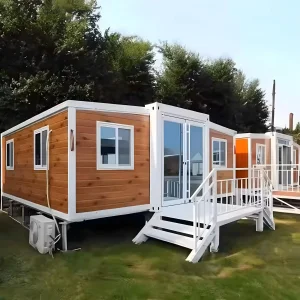
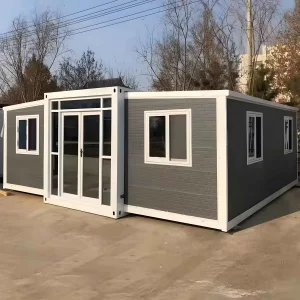
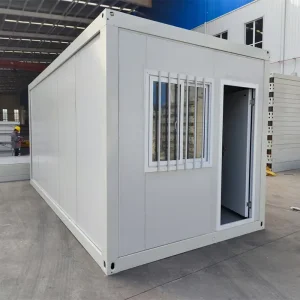
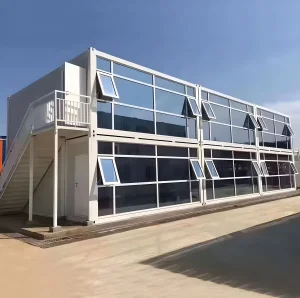
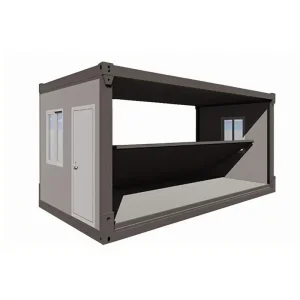
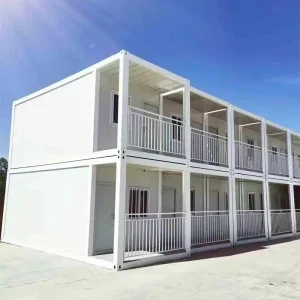
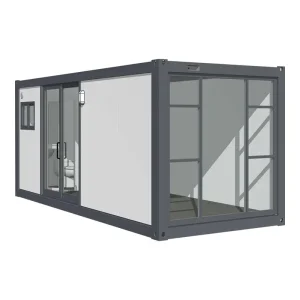
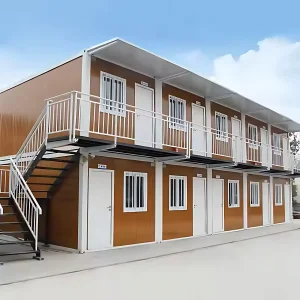
The global construction landscape is experiencing a paradigm shift driven by rising raw material costs, skilled labor deficits, and the imperative for environmental compliance. Traditional build times and carbon footprints are no longer sustainable. Adjustable prefabricated houses represent the pinnacle of modular engineering, offering a responsive solution that bridges structural permanence with spatial adaptability.
These modular units utilize high-tensile galvanized steel frames integrated with advanced hinges and telescoping structural components. This allows operators to easily alter, expand, contract, or reconfigure layouts post-deployment. As global commerce demands high flexibility, structural customization during transport and installation minimizes overall shipping volumes, driving down logistics costs by up to 70%.
Unlike rigid modular systems, adjustable designs can adapt to site settlement, optimize dynamic loading configurations, and accommodate expansions. This is achieved without compromising structural engineering values, such as wind-resistance (up to Class 11-12) or seismic integrity (Grade 8 capacity).
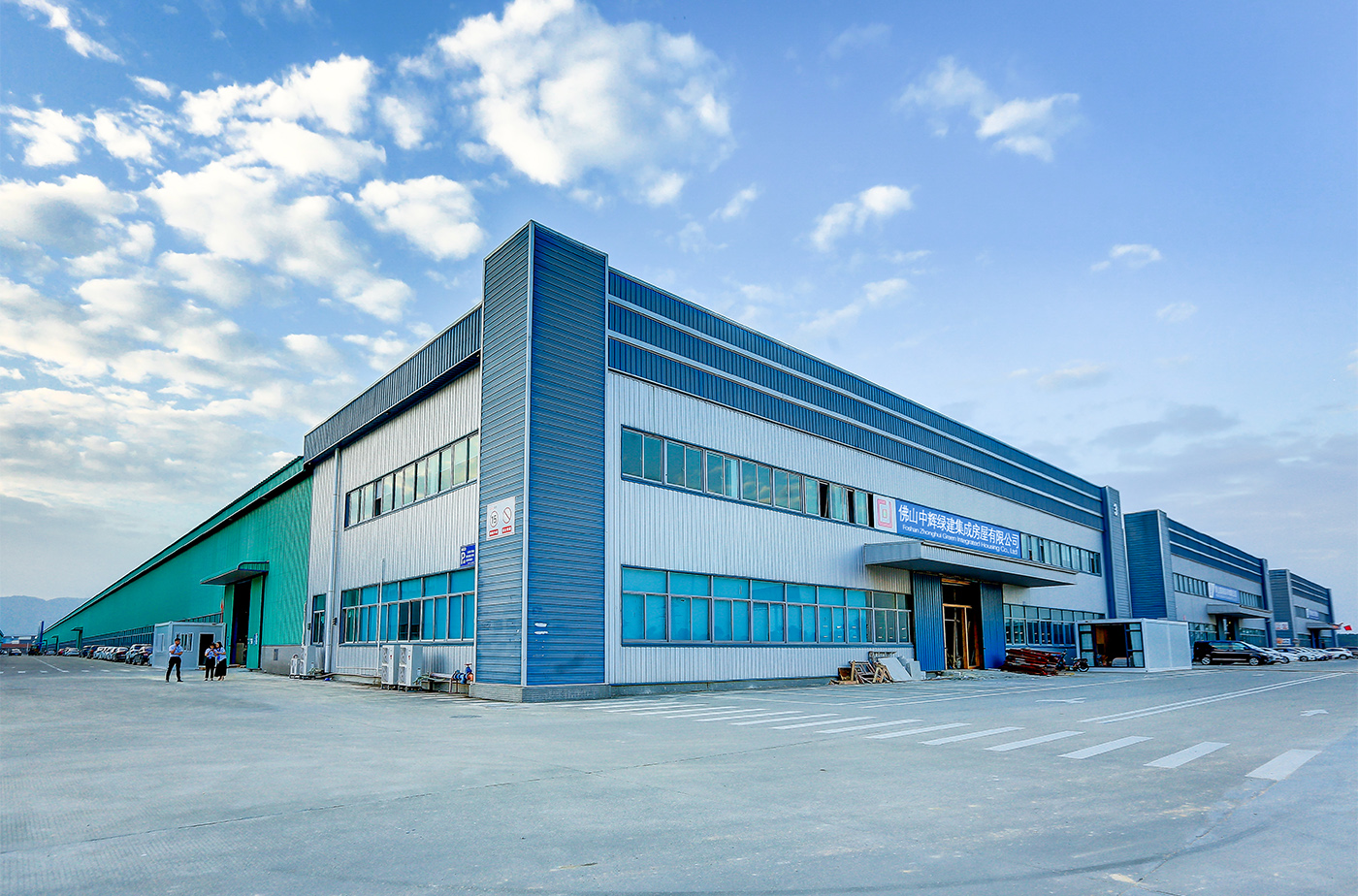
Engineered for endurance under diverse meteorological and topographical conditions, our structural systems utilize only premium, certified components.
| Structural Element | Technical Material Specification | Performance Standard & Compliance Rating |
|---|---|---|
| Primary Steel Frame | Q235B / Q345B Hot-dip galvanized structural carbon steel; Minimum zinc coating weight 120-180g/m² | Yield strength: 235-345 MPa; Structural lifetime expectation: 30+ Years |
| Insulation Panels | High-density (120kg/m³) Rockwool or Class B1 fireproof Polyurethane (PU) Sandwich Panels (50mm / 75mm / 100mm) | Thermal conductivity: ≤ 0.038 W/m·K; Fire resistance classification: Class A / B1 |
| Hinges & Adjustment Joints | High-load carbon alloy joints with anti-wear polymer bushings and industrial-grade hydraulic assists | Cycle testing: Tested to survive over 500 complete fold/unfold operations without alignment distortion |
| Roofing System | Interlocking corrugated double-layer color-coated steel sheeting with built-in hidden drain channels | Waterproof pressure threshold: ≥ 2000 Pa; Snow load tolerance: 1.2 kN/m² |
| Flooring Base | 18mm glass magnesium board or heavy-duty fiber cement board, topped with 2mm wear-resistant PVC flooring | Load bearing: 250kg/m² (Standard design); Customizable up to 500kg/m² |
Configured with low thermal transmittance values (U-values), the wall and roof sections prevent thermal bridging. This structural integrity minimizes HVAC power consumption by 35% compared to site-built temporary sheds.
Advanced layered structural walls provide sound isolation of up to 40dB. This is a critical metric for worker accommodation on industrial sites with high ambient decibel levels.
Metal surfaces undergo shot-blasting, chemical cleaning, and zinc priming. This is followed by two coats of premium fluorocarbon coatings, protecting components from humid marine conditions.
Strategically situated in the dynamic Guangzhou node of the Hong Kong-Macao Greater Bay Area, Foshan Zhonghui Green Building Integrated Housing Co., Ltd. is a globally recognized manufacturer specializing in modular box structures.
Founded on a legacy of 15 years of dedication by our core founding team, we integrate concept design, research and development, smart manufacturing, global export sales, and full-cycle field deployment services. We are not brokers. We own the production lines that guarantee precision engineering, product consistency, and direct wholesale pricing.
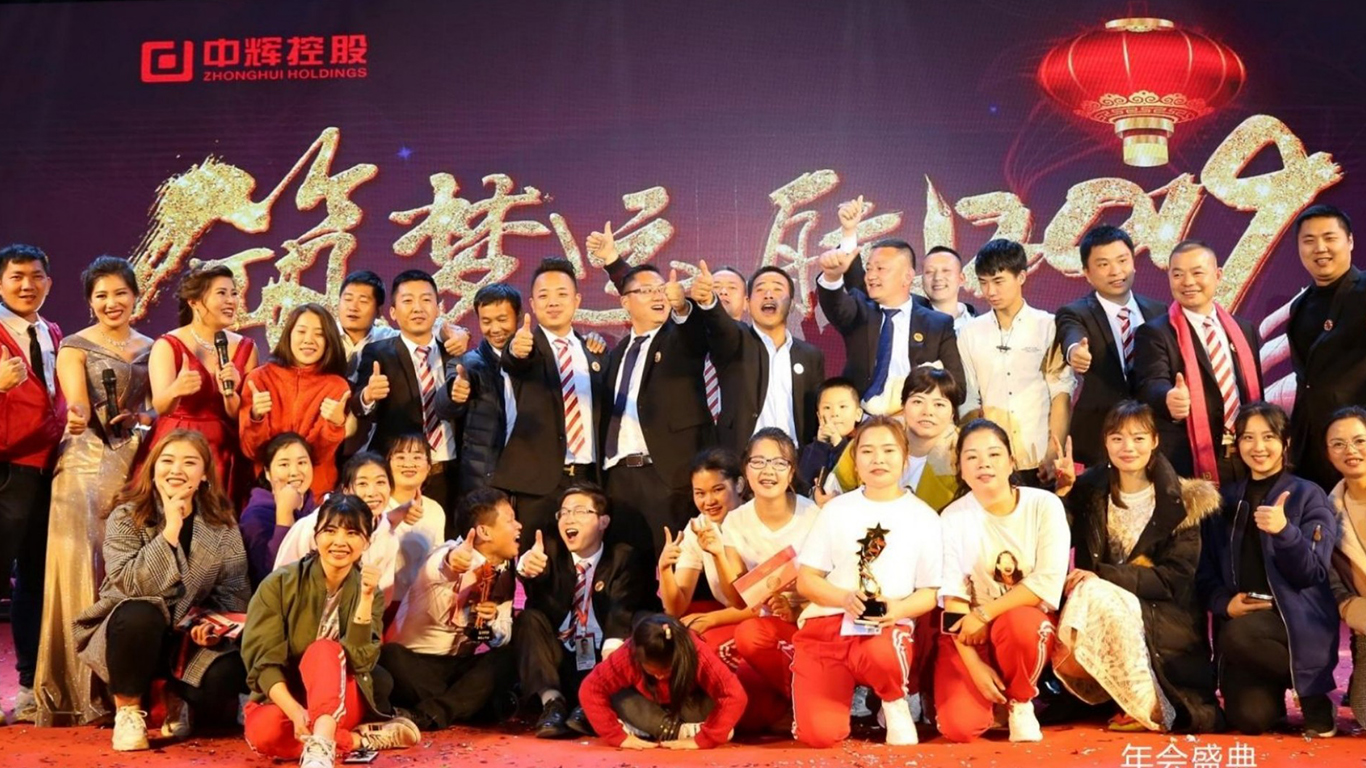
Our commitment to technical innovation is validated by our 46 invention patents and utility model patents. We have received prestigious accolades, including the Container Creativity Floater Award and recognition as a top ten influential brand in the modular green-construction sector. Our systems set standard design benchmarks for temporary and permanent commercial sites.
Our engineering team handles structural analysis, 3D building information modeling (BIM), and localized wind-load adjustments. This ensures structural compliance for all destination ports.
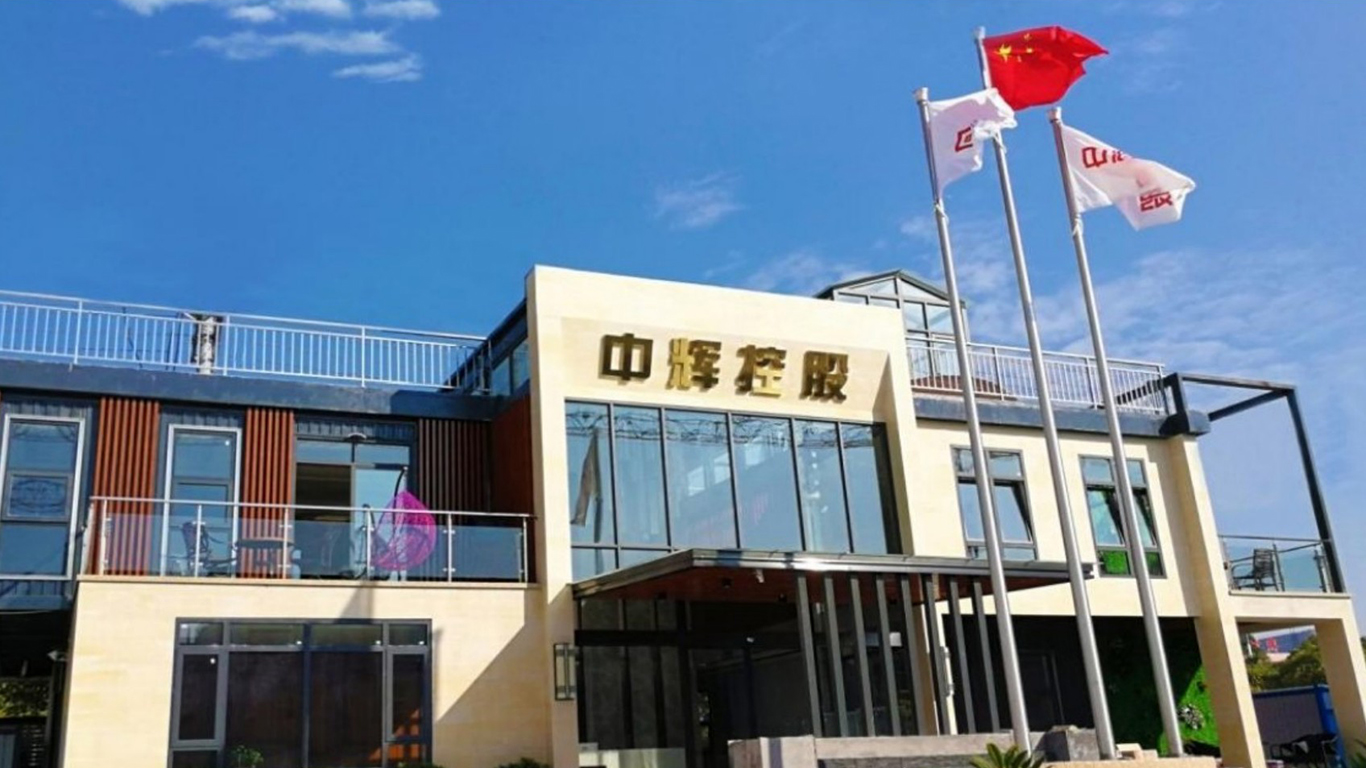
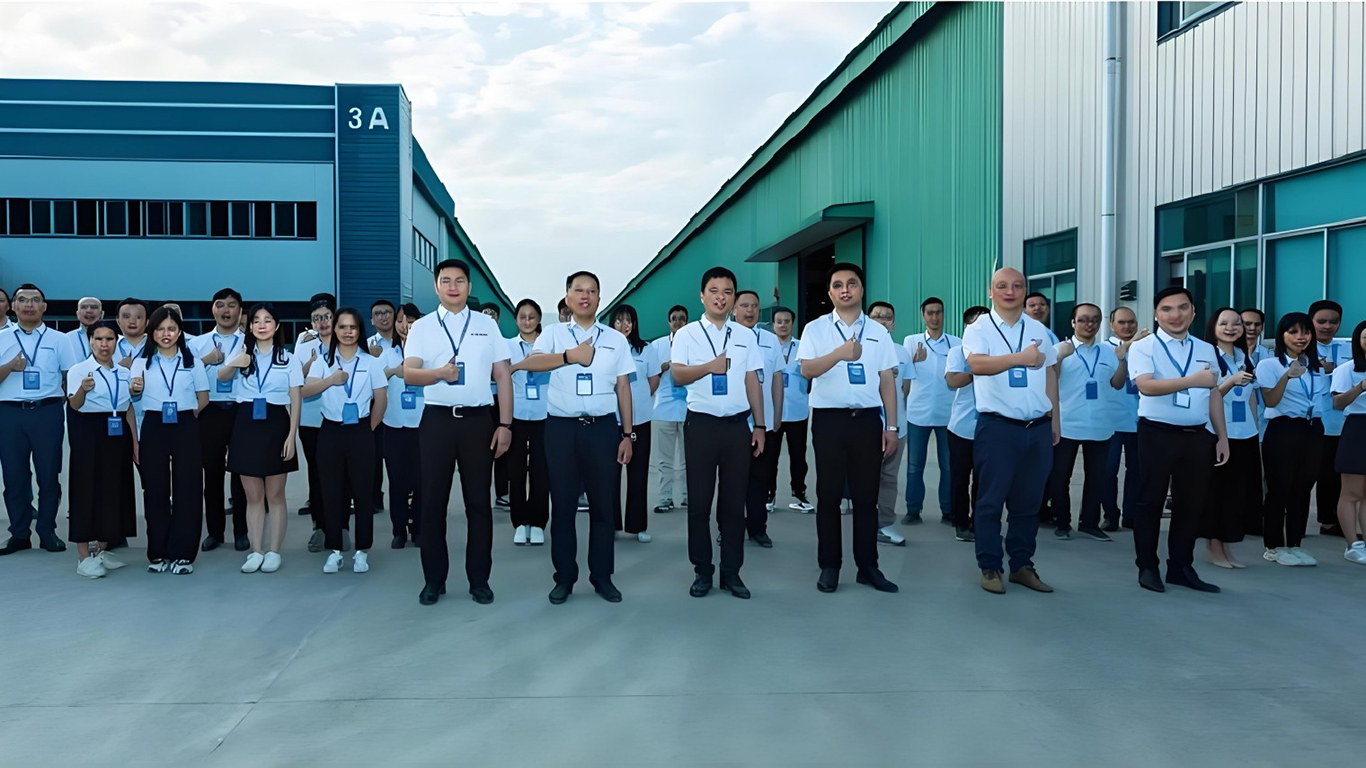
Our modern workshop uses automated welding robots, CNC laser cutters, and advanced baking powder-coating chambers. This ensures high structural accuracy with tolerances within 1mm.
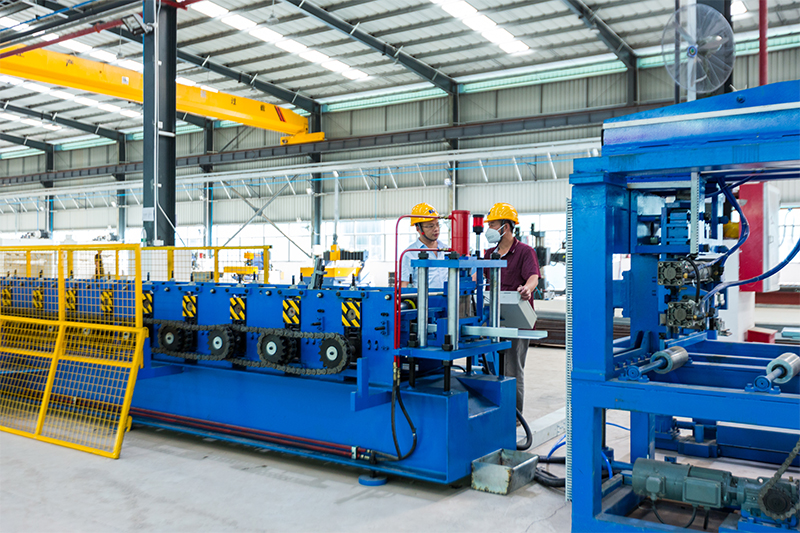
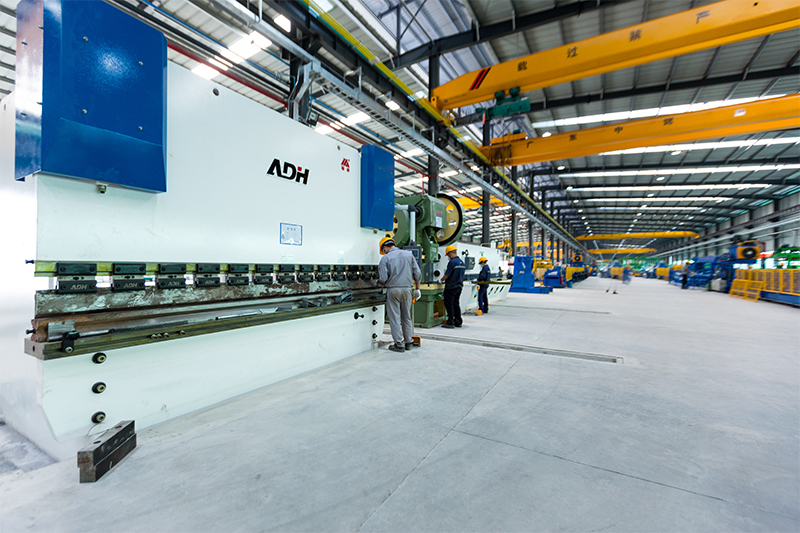
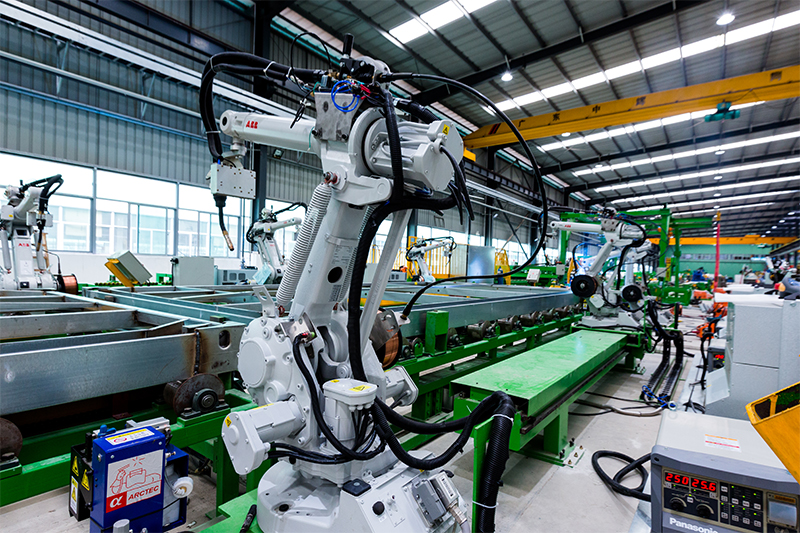
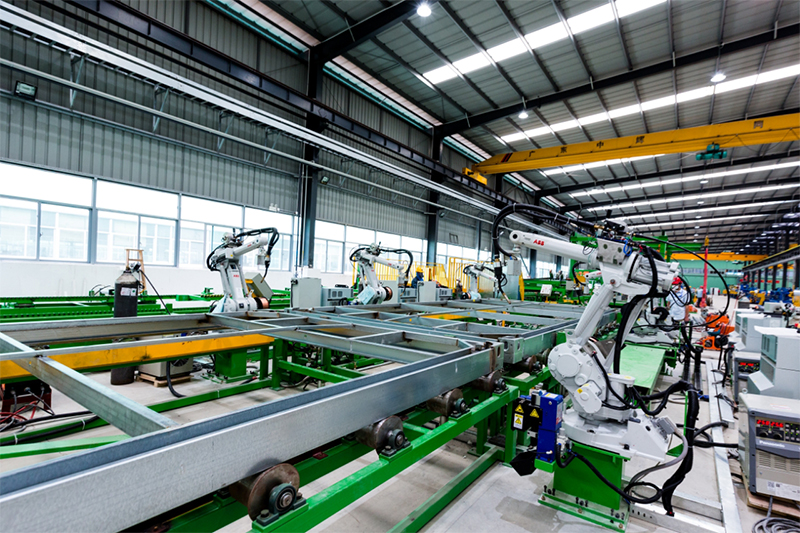
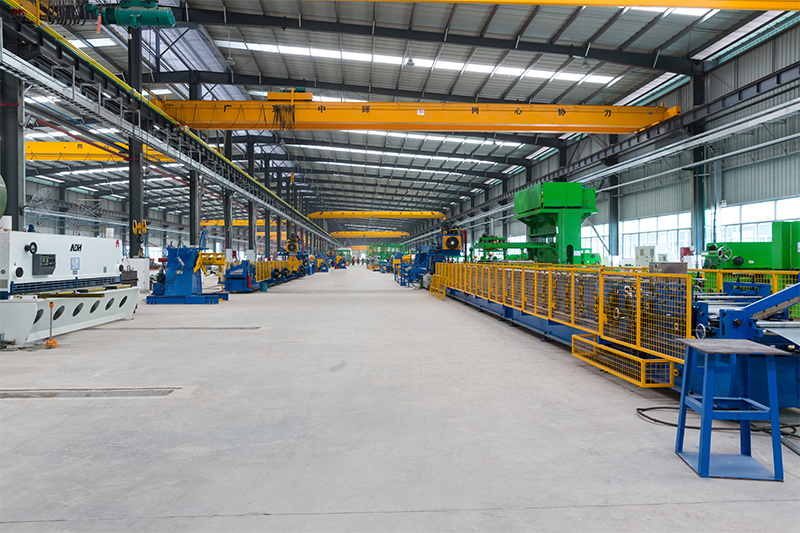
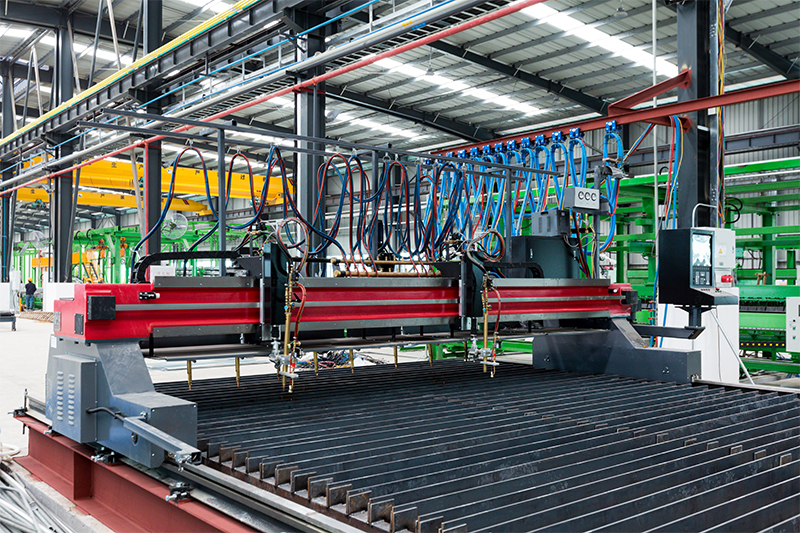
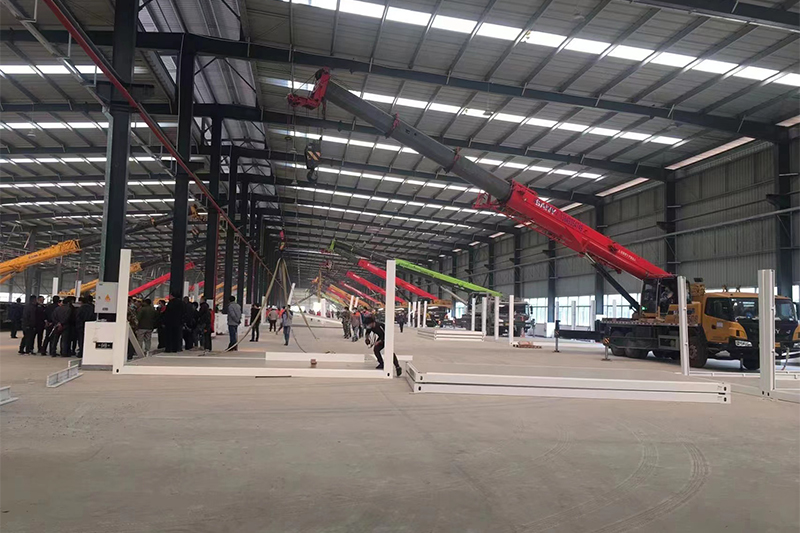
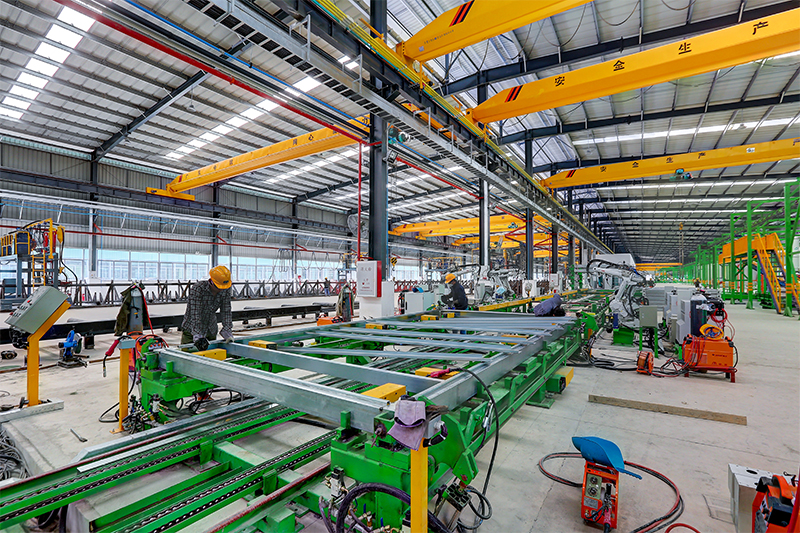
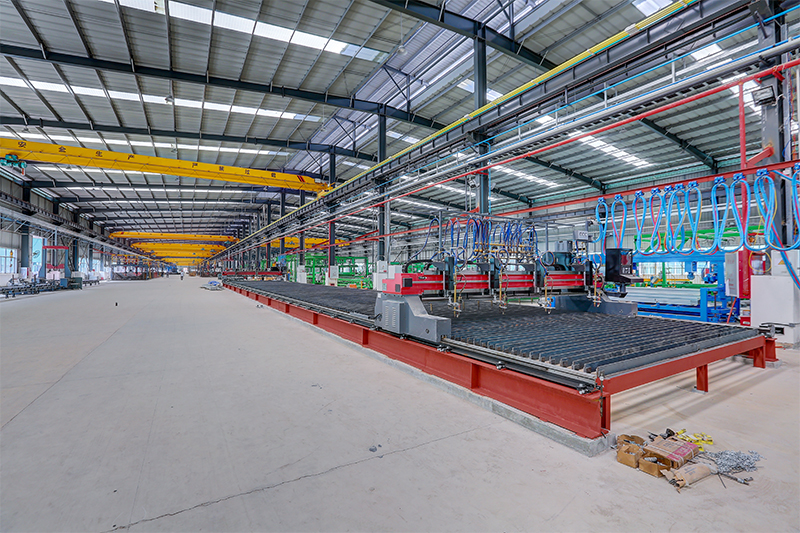
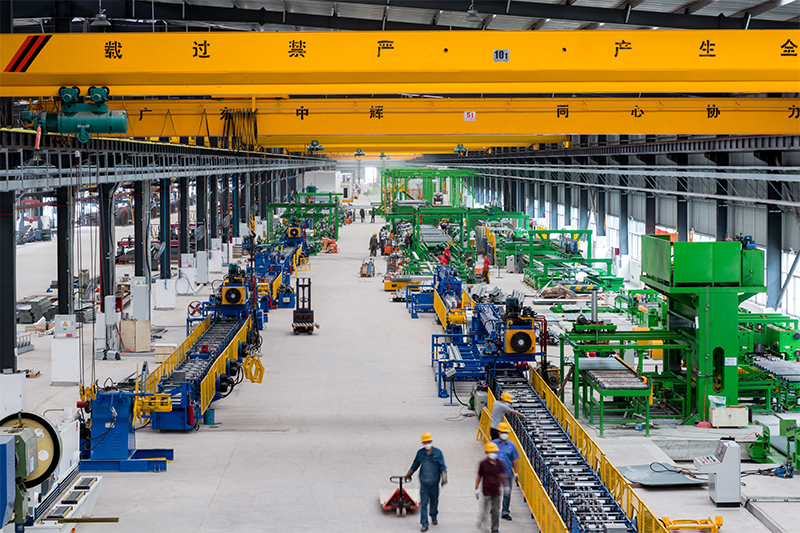
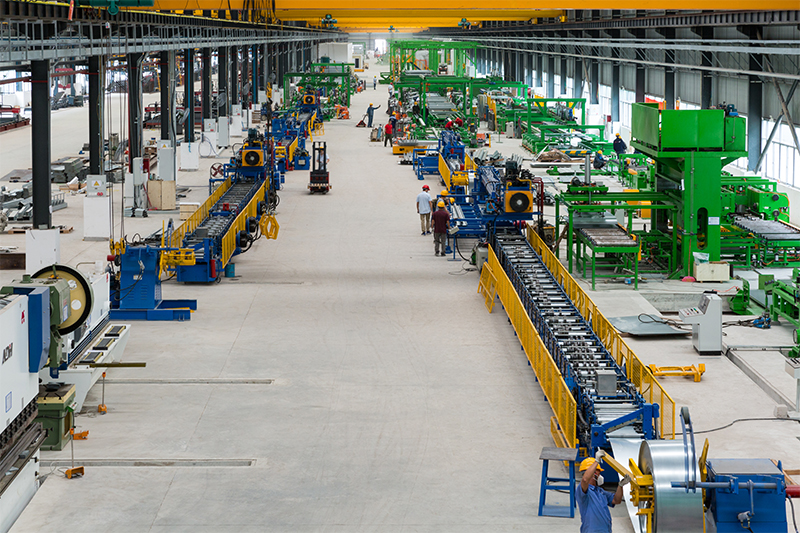
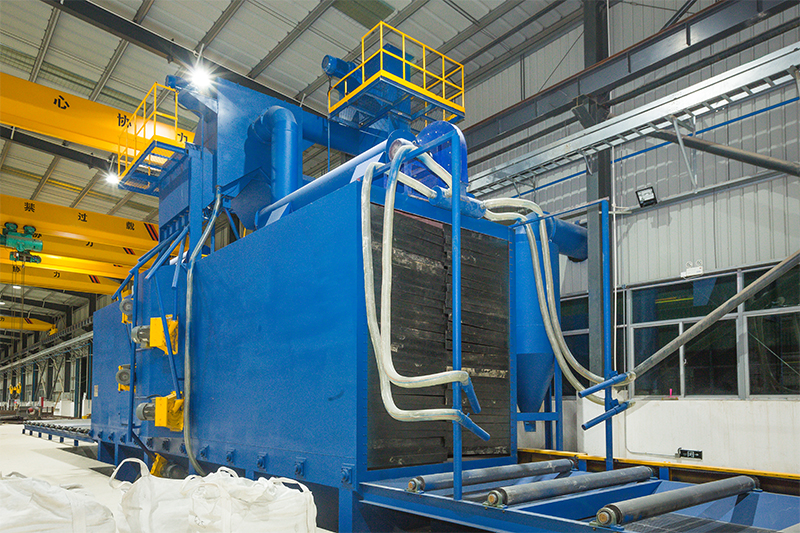
Continuously expanding our production bases and exporting state-of-the-art modular solutions for mining, hospitality, commercial, and emergency sectors.
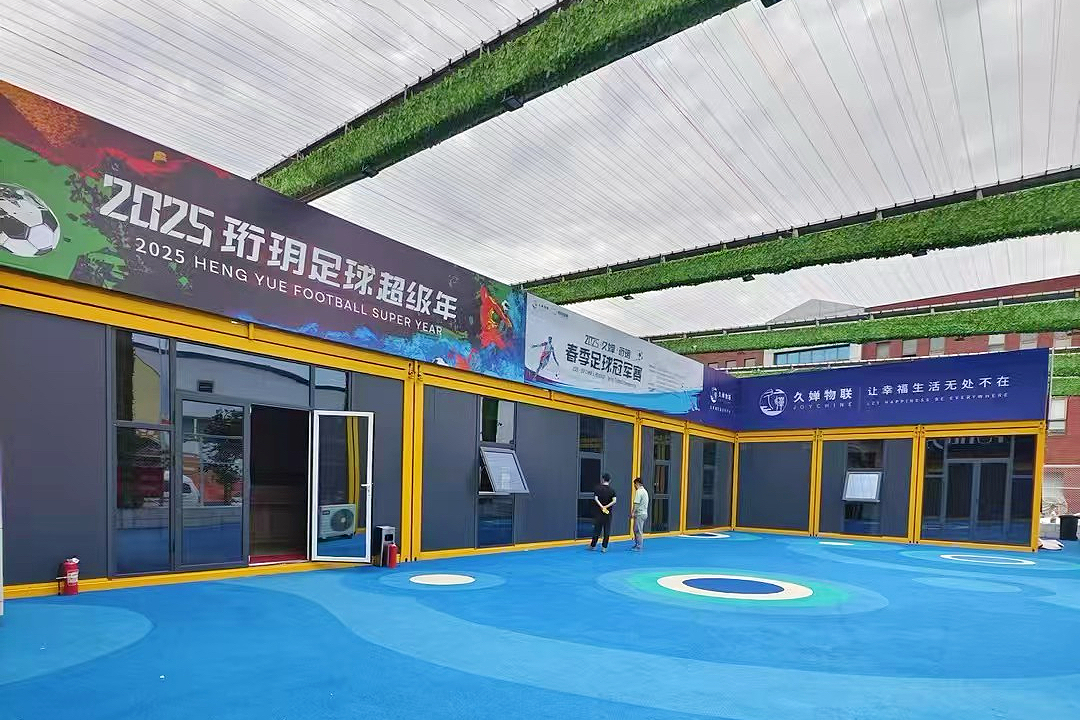
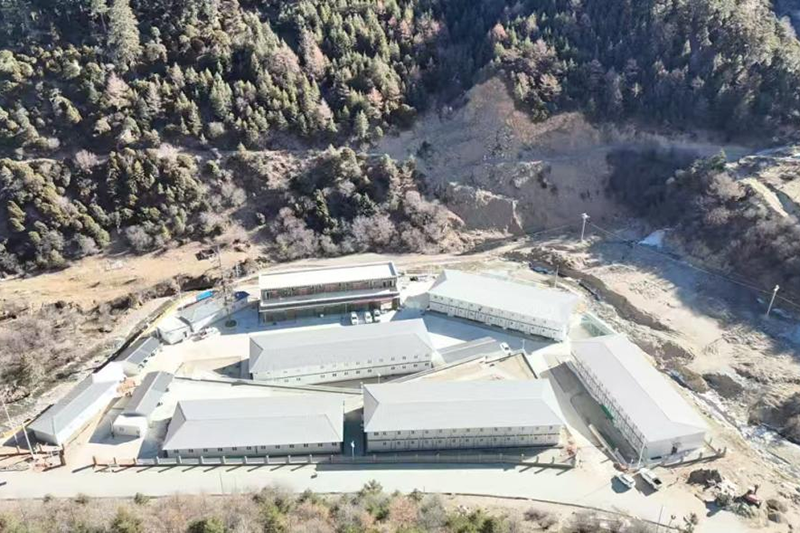
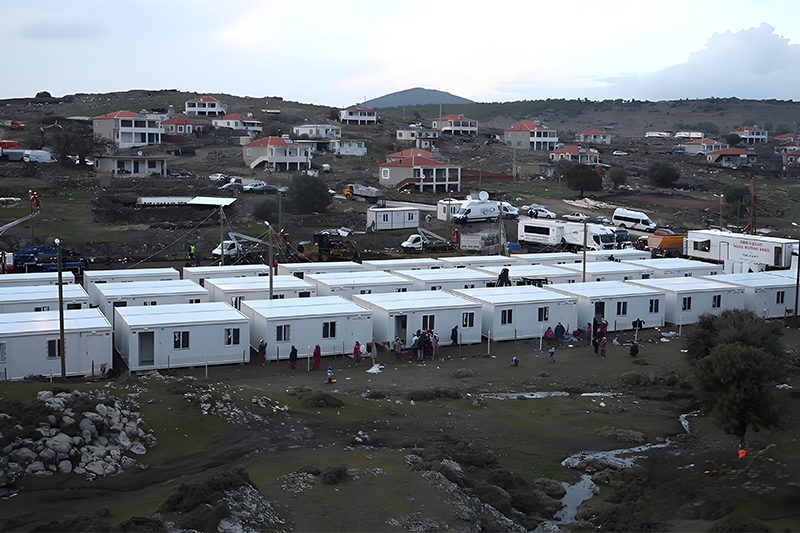
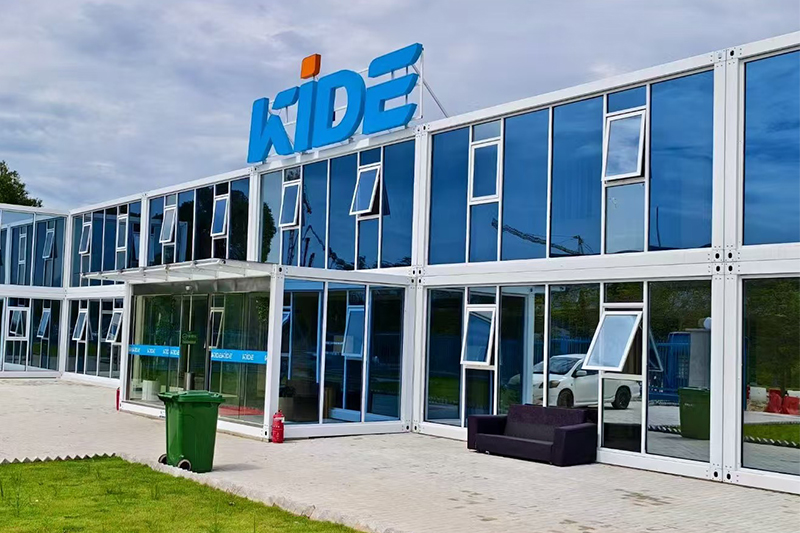
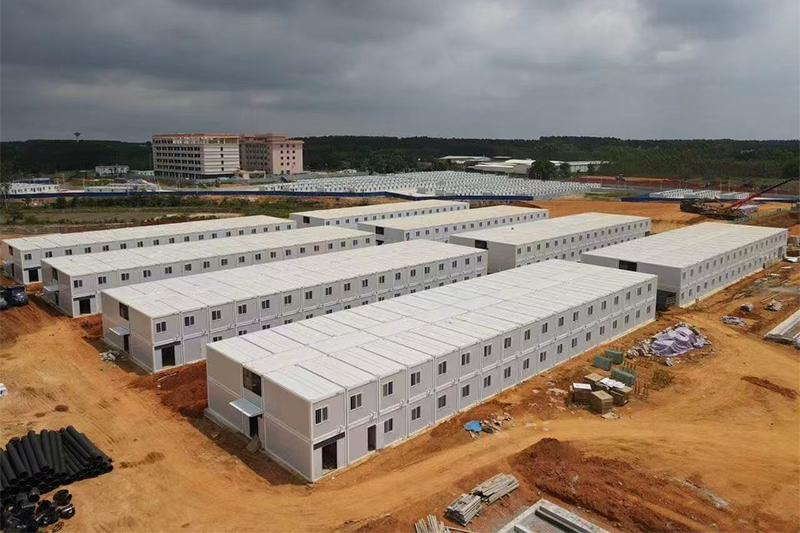
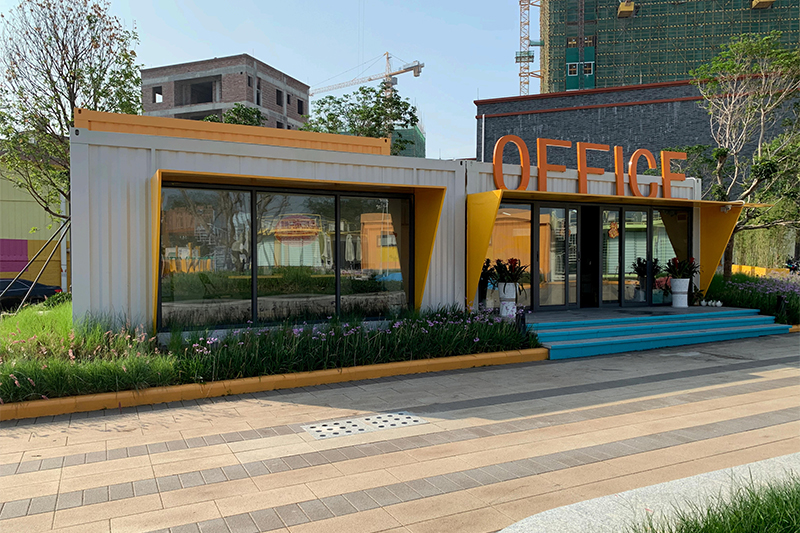
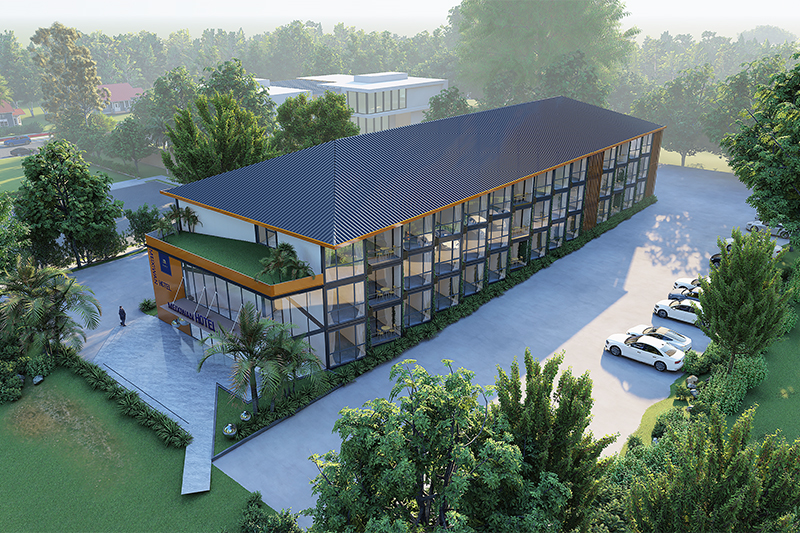
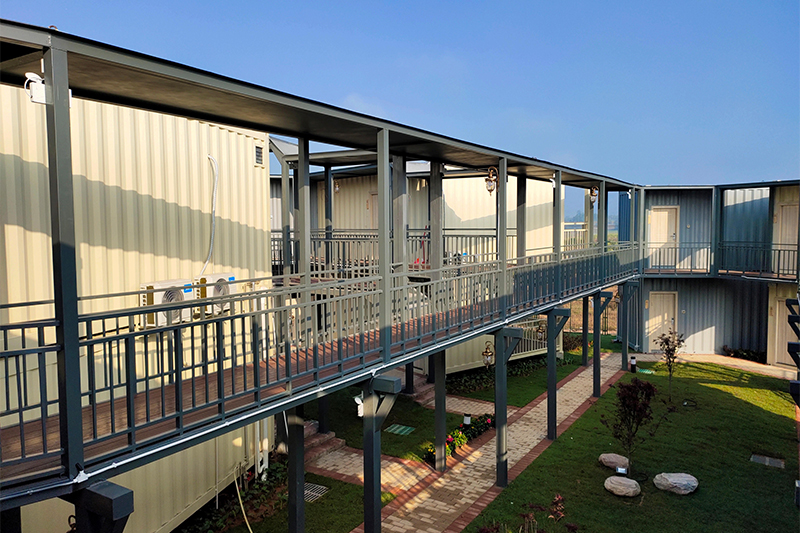
Navigating local construction codes and container sizing limits is a major challenge in international prefabricated imports. Here is how Zhonghui delivers worry-free solutions.
Transport costs represent a major variable expense in modular building imports. Our adjustable, foldable, and flat-pack systems are engineered to fit standard dry shipping containers. Depending on structural thickness, a single 40ft HQ container can transport:
By optimizing load capacity and structural dimensions, our customers benefit from reduced shipping rates and lower crane costs at destination ports.
Zhonghui structures are engineered to satisfy stringent local permitting, safety, and loading protocols across primary importing jurisdictions:
Our R&D roadmap focuses on carbon reduction, smart technology, and material advancements.
Developing dynamic AI configuration engines that allow buyers to customize container sizes, window openings, and partition structures. This generates instant manufacturing blueprints directly from customer requests.
Integrating flexible thin-film photovoltaic (PV) modules into roof frames. This allows adjustable houses to operate as net-zero off-grid systems, complete with built-in battery storage compartments.
Testing bio-composites and aerogels for wall insulation. This will significantly reduce structural weight while doubling the thermal resistance (R-value) of standard sandwich panels.
Answers to critical questions asked by procurement managers, real estate developers, and global supply chain directors.
Lead times depend on design complexity and order volume. Standard modular units (such as 20ft foldable container houses) have a manufacturing lead time of 7-15 days for a 10-20 unit order. Customized designs, commercial buildings, or projects requiring localized structural certification generally ship within 20-30 days after drawing sign-off and receipt of the deposit.
Our steel frames are hot-dip galvanized with a protective zinc coating. This is coupled with a marine-grade epoxy primer and double-layered polyurethane finishing coats. All structural hardware, joint brackets, and hinge components use stainless steel or dacromet-treated fasteners to prevent galvanic corrosion in high-salinity zones.
Yes. Our sliding and expandable models, such as the 3-in-1 Expandable Container House, feature pivoting walls and sliding tracks. This allows installers to partition interior spaces into 1-bedroom, 2-bedroom, or open-plan layouts during field assembly.
Our manufacturing facility operates under an ISO 9001 quality management framework. Raw steel undergoes incoming chemical analysis, and finished welds are checked via ultrasonic testing. We perform full trial assembly tests for every batch before packaging. This verifies alignment tolerances, panel seal integrity, and water tightness.
Electrical wiring, sockets, distribution boxes, and plumbing conduits are pre-installed within the sandwich panels at the factory. All installations are tested before shipment. Connections comply with local standards (AS/NZS, CE, or UL). Final connections to local utility lines are made at the site.
Compare models, select custom options, and request ex-factory pricing directly from our sales office.
 ZHONGHUI HOLDINGS