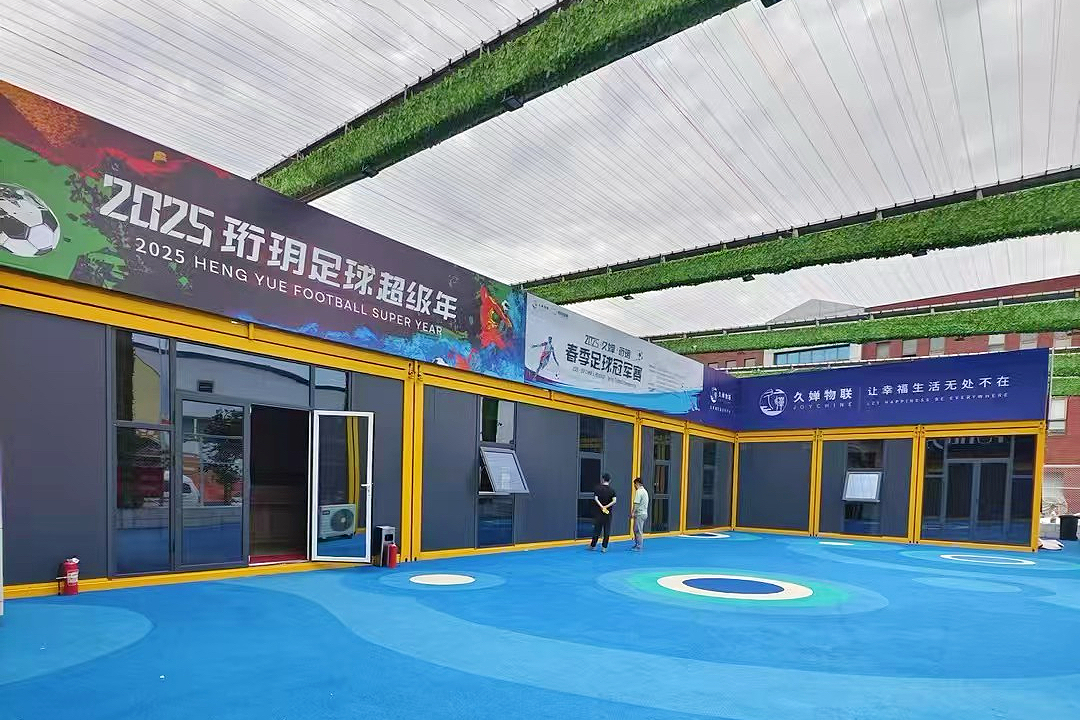
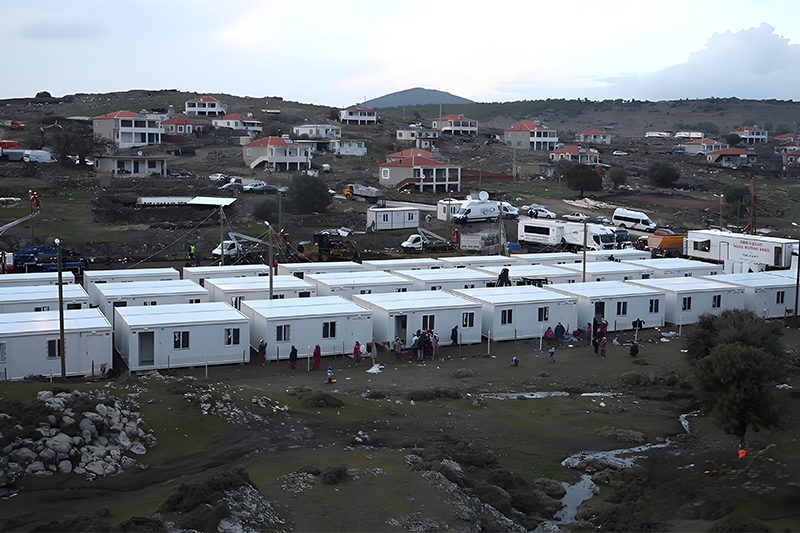
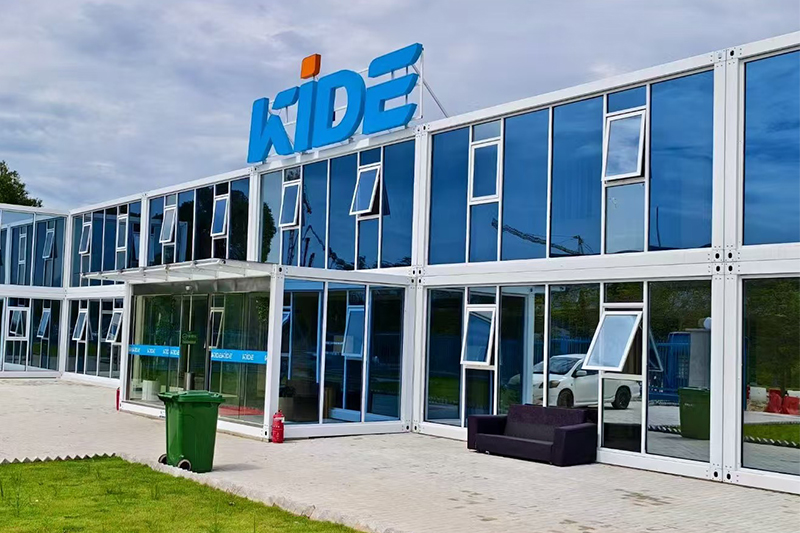
Norway's construction landscape is undergoing a radical transformation driven by the need for sustainability and rapid deployment. Slide folding containers, often referred to locally as "Z-box" or "Flex-modules," have become a cornerstone in Norwegian industrial projects. From the fjords of Hordaland to the urban hubs of Oslo, these structures offer unparalleled resistance to the harsh Scandinavian winters while maintaining a low carbon footprint.
Factories specializing in these units for the Norwegian market must adhere to the TEK17 building regulations, focusing on high thermal insulation and structural integrity against heavy snow loads. The slide folding mechanism allows for a 1:4 transport ratio, significantly reducing shipping costs and CO2 emissions across Norway’s complex terrain. As a result, the pricelist for these containers is increasingly competitive compared to traditional timber or steel construction.
The rise of AI-integrated manufacturing has allowed factories to customize internal layouts with precision, ensuring that each unit delivered to Stavanger or Tromsø is optimized for its specific environmental stressors. Whether it's for offshore oil support, mountain tourism, or urban housing shortages, the folding container is Norway's answer to flexible architecture.
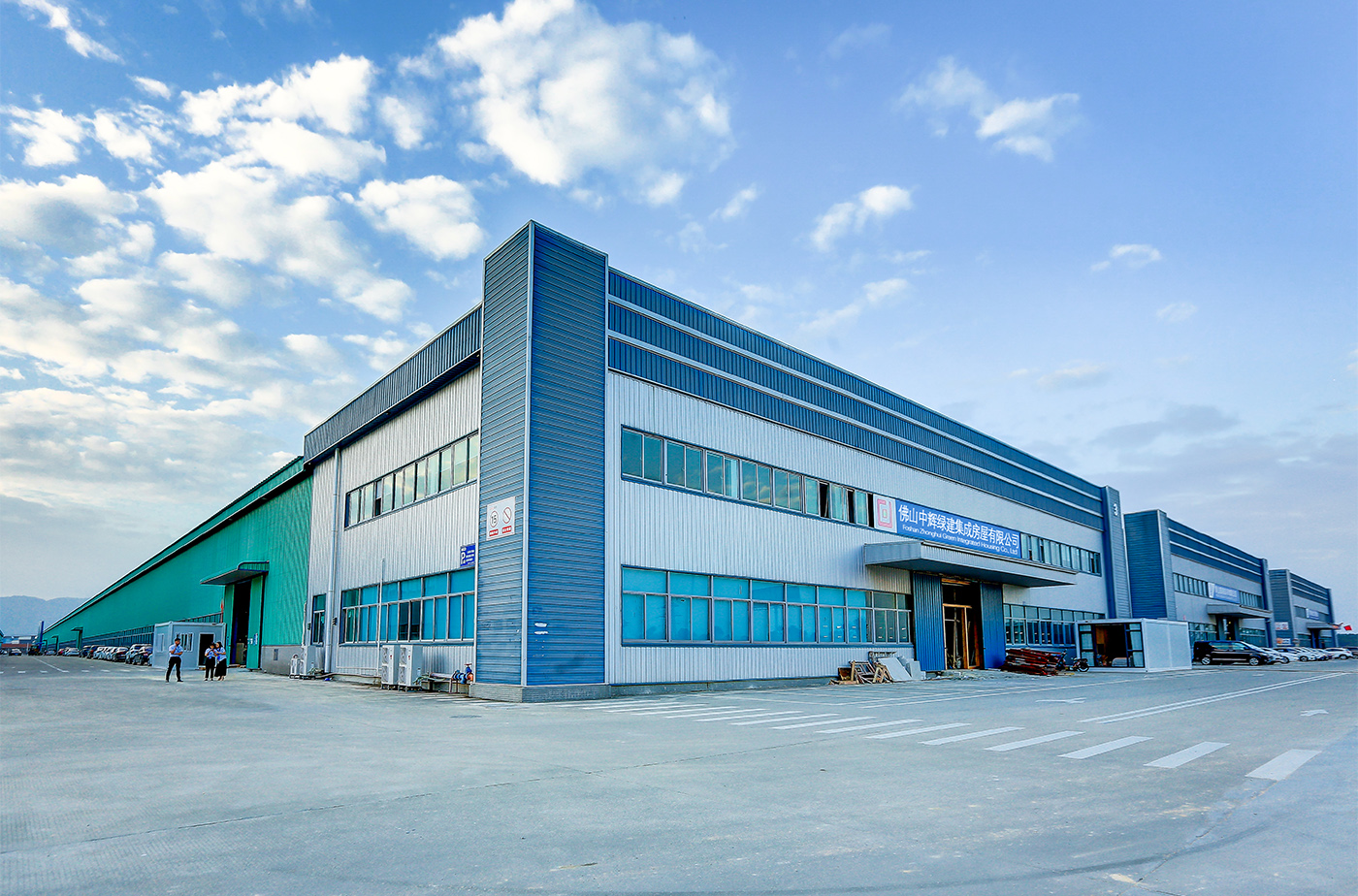
Foshan Zhonghui Green Building Integrated Housing Co., Ltd. is located in Hong Kong and Macao Bay Area - Guangzhou, is a production, design, research and development, sales, operation, service as a whole, focusing on providing customers with one-stop box rental solutions provider.
By the company's core founding team of 15 years of dedication to build, we have become the industry's business card enterprises, providing residential and commercial container brands that fly into the forefront of global markets.
In regions like Lofoten, slide folding containers are utilized to create luxury pop-up hotels. Their ability to be removed without leaving a trace on the environment aligns with Norway's strict conservation laws. These "Glamping" units are equipped with geothermal heating compatibility and panoramic glass walls to view the Northern Lights.
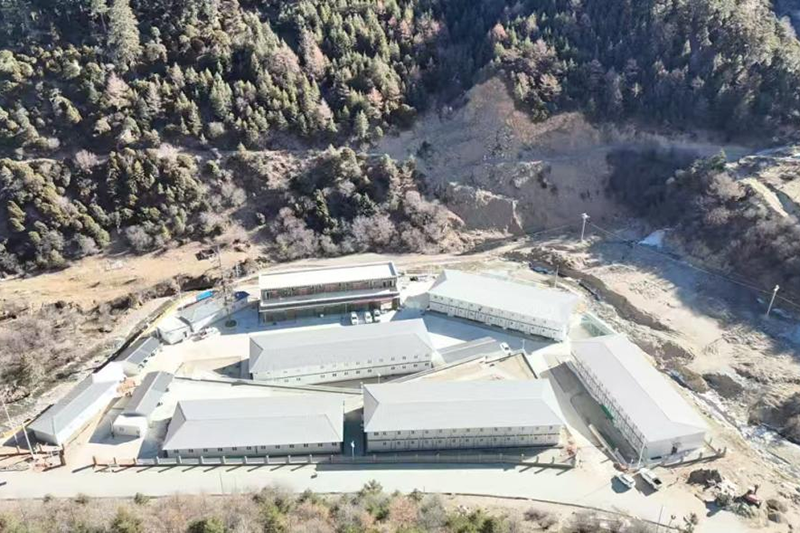
With Norway investing heavily in wind and hydropower, temporary worker housing is a critical need. Folding containers can be airlifted or trucked to remote mountain locations, providing immediate, high-standard living quarters for engineering teams.
In cities like Trondheim and Oslo, where space is at a premium, modular containers provide a rapid solution to student housing shortages. These "Quick-Build" units can be stacked up to three stories high, offering modern, minimalist living spaces that appeal to the tech-savvy Norwegian youth.
The coastal aquaculture industry uses modified slide containers for on-site administrative offices and temperature-controlled storage, benefiting from the anti-corrosive coatings applied in our specialized factories.
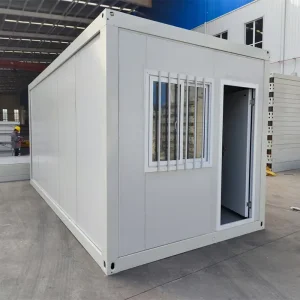
Optimized for rapid deployment in Norwegian construction sites.
Explore Specifications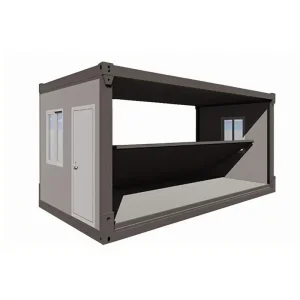
High-end living with geothermal integration for the Nordic region.
Explore SpecificationsContinuously building more production bases in the green construction solutions for the industry.
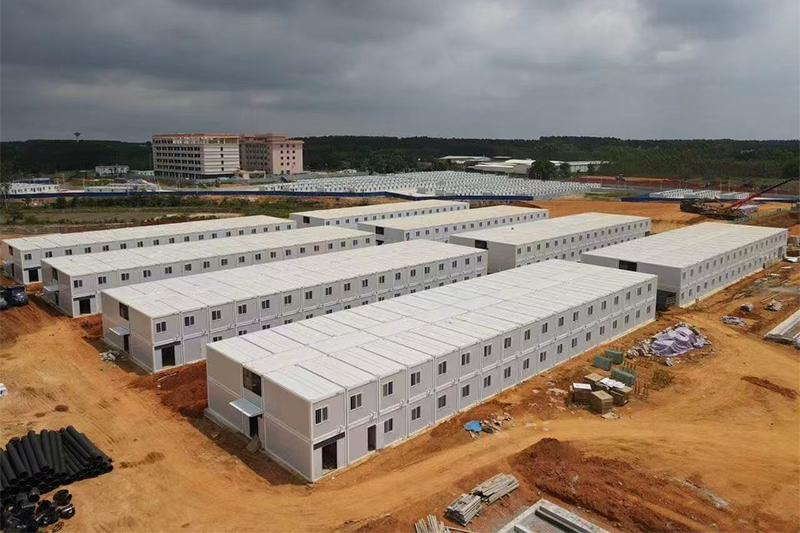
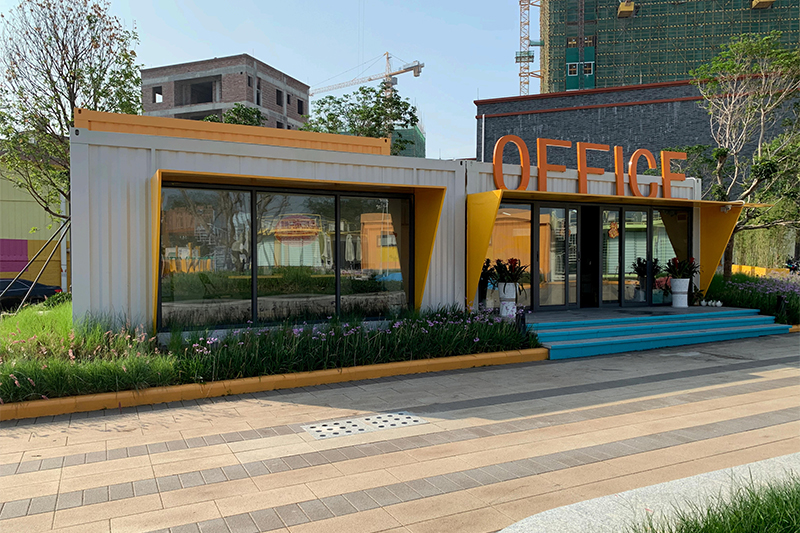
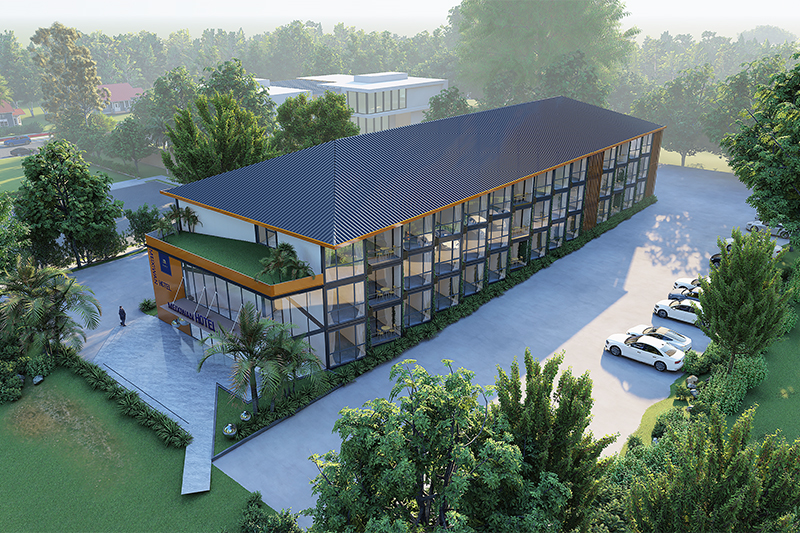
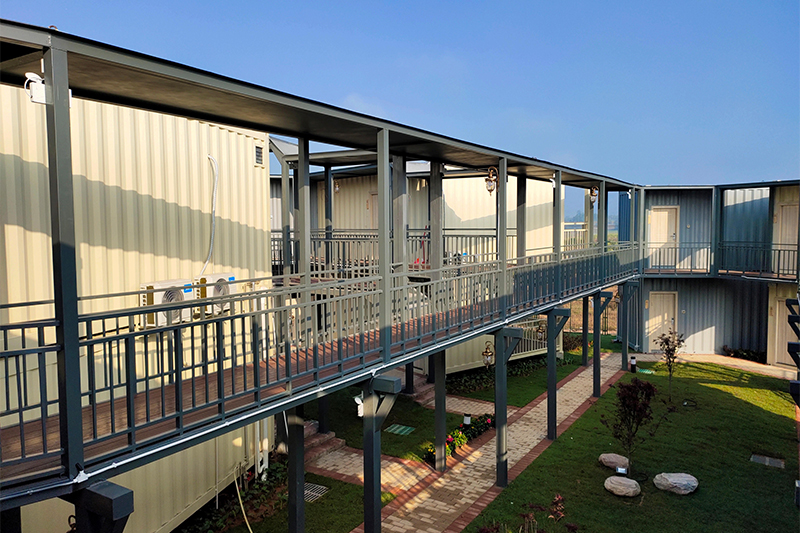
The industrial trend in Norway is shifting toward "Off-site Construction" (OSC). Slide folding containers represent the pinnacle of this movement. By manufacturing 90% of the structure in a controlled factory environment, companies can avoid the unpredictable weather delays common in the Norwegian coastline.
Cost Efficiency: The current pricelist for folding containers in Norway shows a 30-40% reduction in total project costs when considering labor and assembly time. Modern "Z-Box" designs can be unfolded in under 10 minutes by a small team, eliminating the need for heavy cranes in many scenarios.
Environmental Responsibility: Norway’s commitment to being a "Green Frontrunner" means construction waste must be minimized. Our slide folding containers are 100% recyclable and feature rock wool or PU sandwich panel insulation, which meets the high-energy efficiency standards required by the Norwegian government.
As we look toward 2025, the integration of smart sensors and IoT within these containers—monitoring internal temperature and energy usage—is becoming the new standard for the Norwegian industrial sector.
 ZHONGHUI HOLDINGS