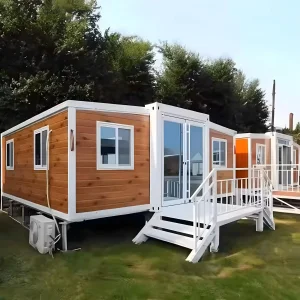
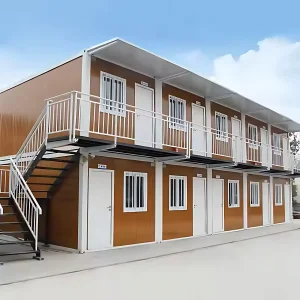
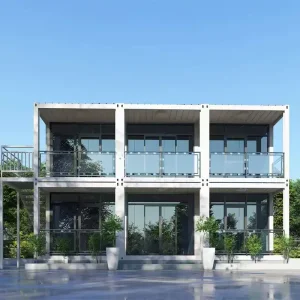
Flat Pack Container House Manufacturer & Quotes in Equatorial Guinea

Pioneering Modular Engineering, Rapid Structural Assembly, and Industrial-Grade Cladding Systems for West Africa's High-Humidity Landscapes

Equatorial Guinea Market Analysis

Technical Insights into West Africa's Modern Industrialization & Infrastructure Demand

1. The Modular Paradigm: Addressing West Africa's Pressing Construction Needs

The global construction sector is undergoing a monumental transition toward modular, prefabricated, and off-site manufacturing methodologies. This paradigm shift, often referred to as Industrialized Building Systems (IBS), addresses the fundamental limitations of traditional brick-and-mortar masonry: extended construction cycles, highly variable local craftsmanship, supply chain fragmentation, and high material waste. For developing economies in West Africa, and specifically Equatorial Guinea, modular building systems represent more than an optimization; they are a critical leapfrog technology.

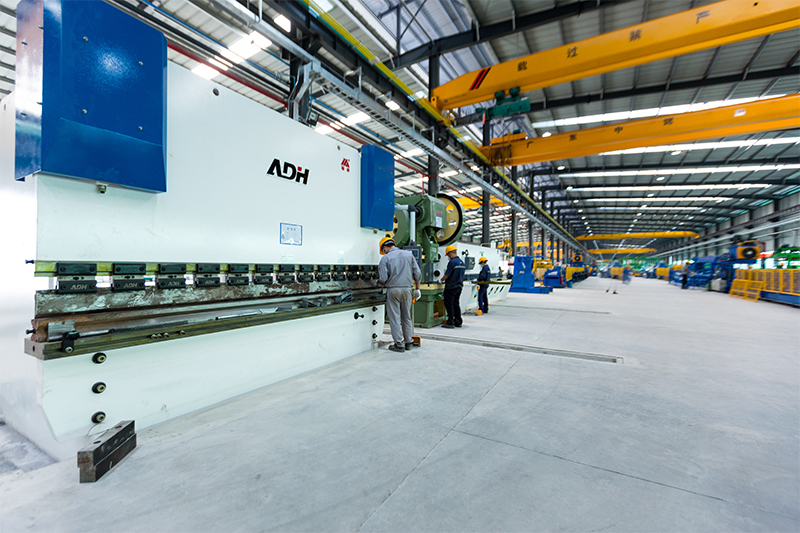
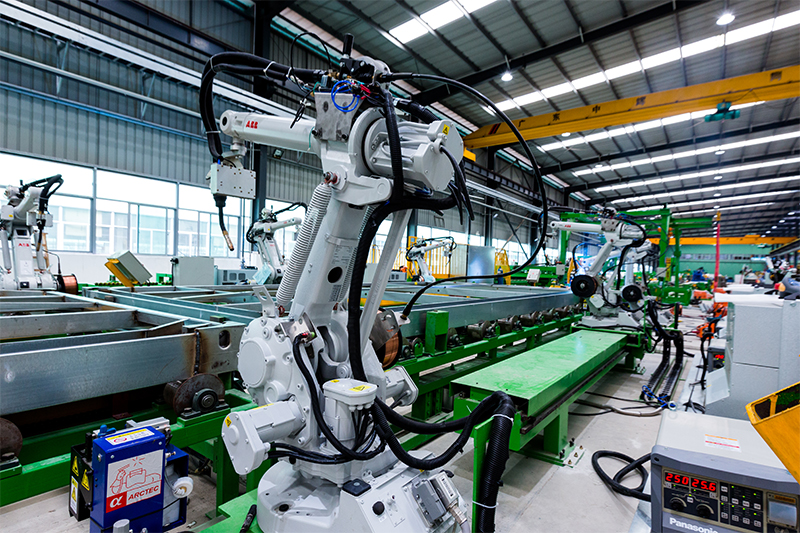
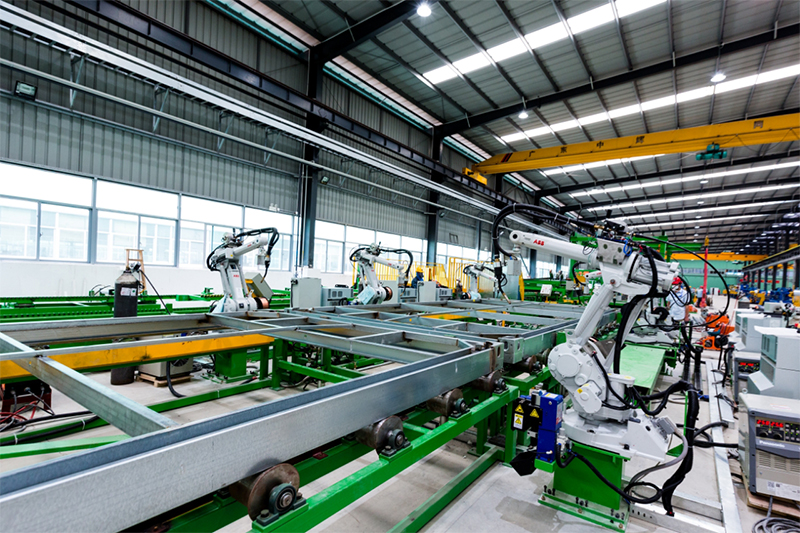
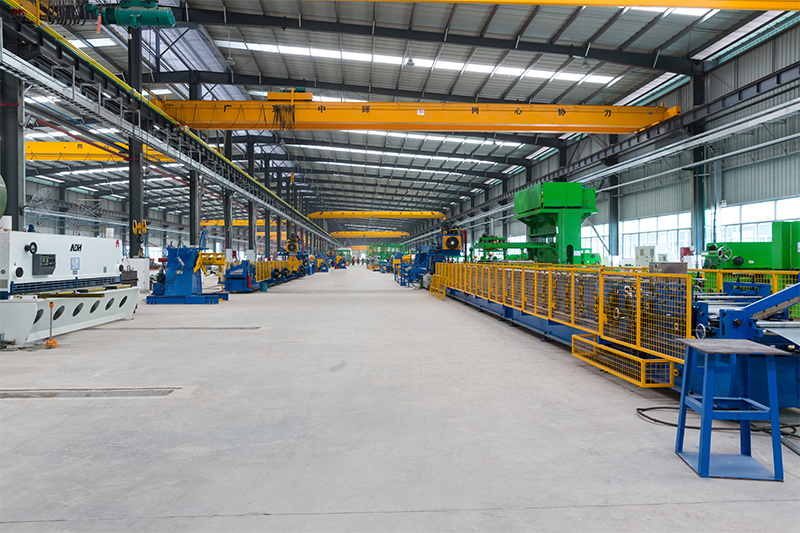
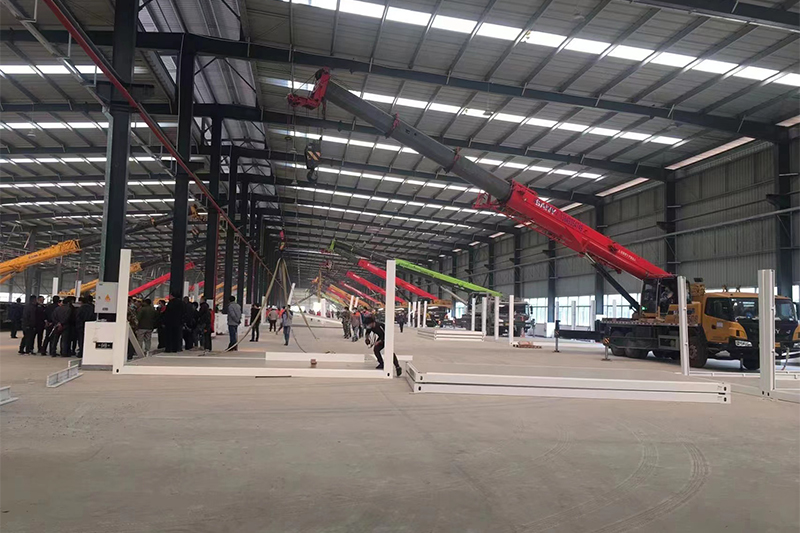
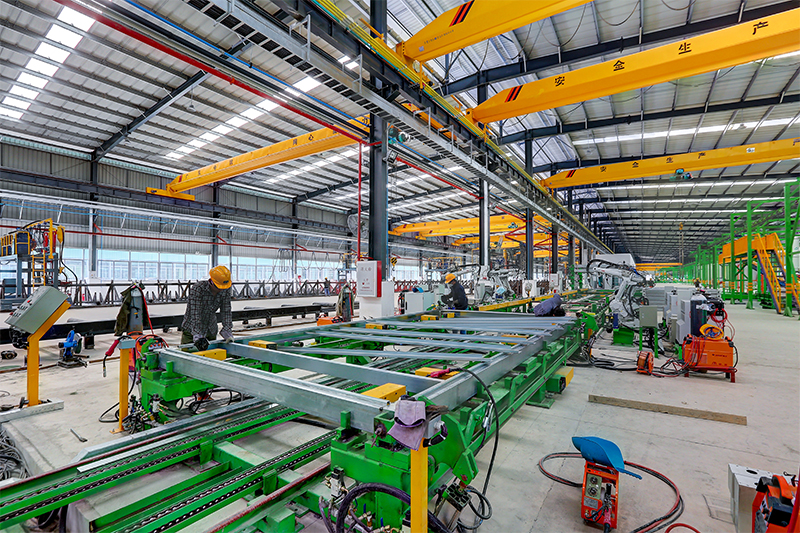
By standardizing manufacturing processes within state-of-the-art factories—such as Foshan Zhonghui's facility in the Greater Bay Area—structural steel integrity, precise dimensional tolerance, and high-performance insulation can be systematically guaranteed before materials ever leave for the port. When flat pack container houses are shipped to regions like Malabo or Bata, they are not raw materials, but engineered assemblies ready for immediate installation. This reduces onsite construction labor costs by up to 70% and shortens overall project delivery timelines by up to 60%.

2. Macroeconomic Dynamics of Equatorial Guinea's Construction and Oil Sectors

Equatorial Guinea possesses a unique economic topography, historically dominated by its highly productive offshore oil and natural gas fields, particularly clustered around the Zafiro, Alba, and Ceiba fields. While the hydrocarbon sector remains the primary engine of GDP, the national economic diversification agenda (Horizonte 2035) has triggered widespread investments in secondary infrastructure, maritime ports, logistics corridors, and municipal utilities. This structural transformation requires high-quality, rapidly deployable space solutions for two key sectors:

  • Hydrocarbon Hubs & Remote Operations: Oil rigs, natural gas processing plants in Punta Europa, and supporting logistics depots require robust worker accommodation camps that can withstand coastal atmospheric conditions while maintaining international living standards.
  • Civil Infrastructure & Urban Redevelopment: Expanding cities like Bata on the mainland and Malabo on Bioko Island face an acute need for flexible commercial spaces, field offices, clinics, and emergency resettlement facilities. Standard brick-and-mortar projects are constrained by local aggregate shortages and long cement curing cycles in the humid climate.

Flat pack container houses serve as the optimal structural link. They can be imported as consolidated cargo, circumventing local material shortages, and deployed in high-density configurations without requiring deep, ecologically disruptive concrete foundations.

"The extreme climatic profile of Equatorial Guinea—characterized by high ambient temperatures, relentless tropical rain, and corrosive marine salinity—demands structural and metallurgical configurations that far exceed base-level industry standards. At Foshan Zhonghui, we design specifically for these demanding conditions."

3. Climatic Resilience: Engineering for Equatorial Guinea's Microclimate

Deploying modular infrastructure in Equatorial Guinea requires precise engineering to mitigate environmental degradation. The region's equatorial climate features two distinct challenges: persistent high relative humidity (frequently exceeding 90%) and high coastal salinity from the Gulf of Guinea. This environment acts as a chemical catalyst for rapid steel oxidation and concrete spalling.

To ensure a service life of 20 to 30 years, our flat pack container structures employ specific engineering counter-measures:

  • Galvanization and Multi-Layer Epoxy Coatings: All main structural members (columns, roof beams, floor joists) are constructed from hot-dip galvanized structural steel. The steel is coated with a high-durability, anti-corrosive polyurethane topcoat combined with zinc-rich epoxy primers, preventing salt-spray infiltration and rust propagation.
  • Thermal Insulative Cladding: To combat high temperatures, we use high-density polyurethane (PU) or rockwool sandwich panels. These panels offer low thermal conductivity (U-values down to 0.24 W/m²K), keeping internal temperatures cool and minimizing the electrical load required for air conditioning.
  • Integrated Drainage & Water Management: Rainfall in Malabo can be torrential. Our flat pack containers feature specialized internal roof gutters and concealed corner-post downspouts, capable of shedding up to 120 mm of rain per hour. This prevents pooling and potential structural water ingress.
15+
Years R&D Experience
46
National Patents Held
3000+
Units Delivered Annually
100%
Anti-Corrosive Coating

4. Localized Application Scenarios Across Equatorial Guinea

The flexibility of modular design allows flat pack container houses to be deployed in diverse environments throughout Equatorial Guinea:

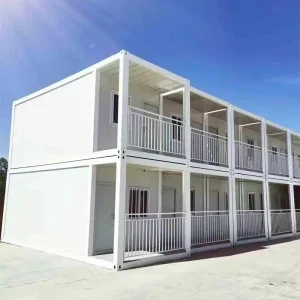
  • Punta Europa Gas Processing Administrative Offices: Customized double-story layouts featuring open-plan executive suites, conference facilities, server rooms, and integrated sanitary installations, providing a modern administrative workspace close to industrial facilities.
  • Bioko Island Eco-Tourism Resorts: By combining glass curtain walls with wood-plastic composite cladding, these modular structures can be transformed into high-end, low-impact tourist bungalows, blending into the national parks without damaging the surrounding rainforest.
  • Bata Port Expansion Site Offices: Rapidly deployable, modular site headquarters that can be dismantled, moved, and re-erected as construction progress shifts along the coast.
  • Remote Mining & Geological Exploration Camps: Located deep within the mainland rainforest of Río Muni, these self-sustaining camps utilize solar panels, rainwater harvesting, and compact wastewater systems to house geological survey teams in comfortable, secure environments.

5. Technical Roadmap: The Evolution of Modular Engineering

Phase 1: Basic Structural Shells (2010 - 2015)
Standard ISO Corrugated Conversions
Early models focused on adapting standard shipping containers. Insulating these structures for hot, humid climates was difficult, and high shipping volumes limited transport efficiency.
Phase 2: The Flat Pack Evolution (2016 - 2020)
Detachable Frame Systems and High-Density Sandwiches
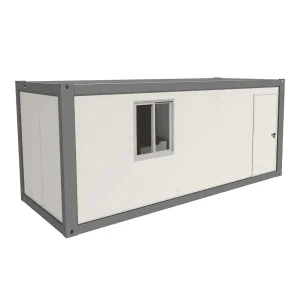
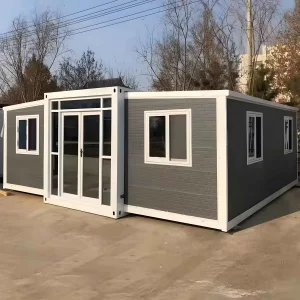
Introduction of bolt-together structural frames. This allowed four collapsed units to ship in the space of a single 20ft container, lowering international ocean freight costs by 75%.
Phase 3: Smart Green Buildings (2021 - Present)
Photovoltaic Integration and Thermal Break Materials
Foshan Zhonghui's current designs feature built-in thermal break profiles, fire-resistant rockwool panels, integrated plumbing systems, and readiness for rooftop solar integration. This ensures compliance with modern green building standards.

About Foshan Zhonghui

A Leading One-Stop Modular Housing Solutions Provider and R&D Pioneer
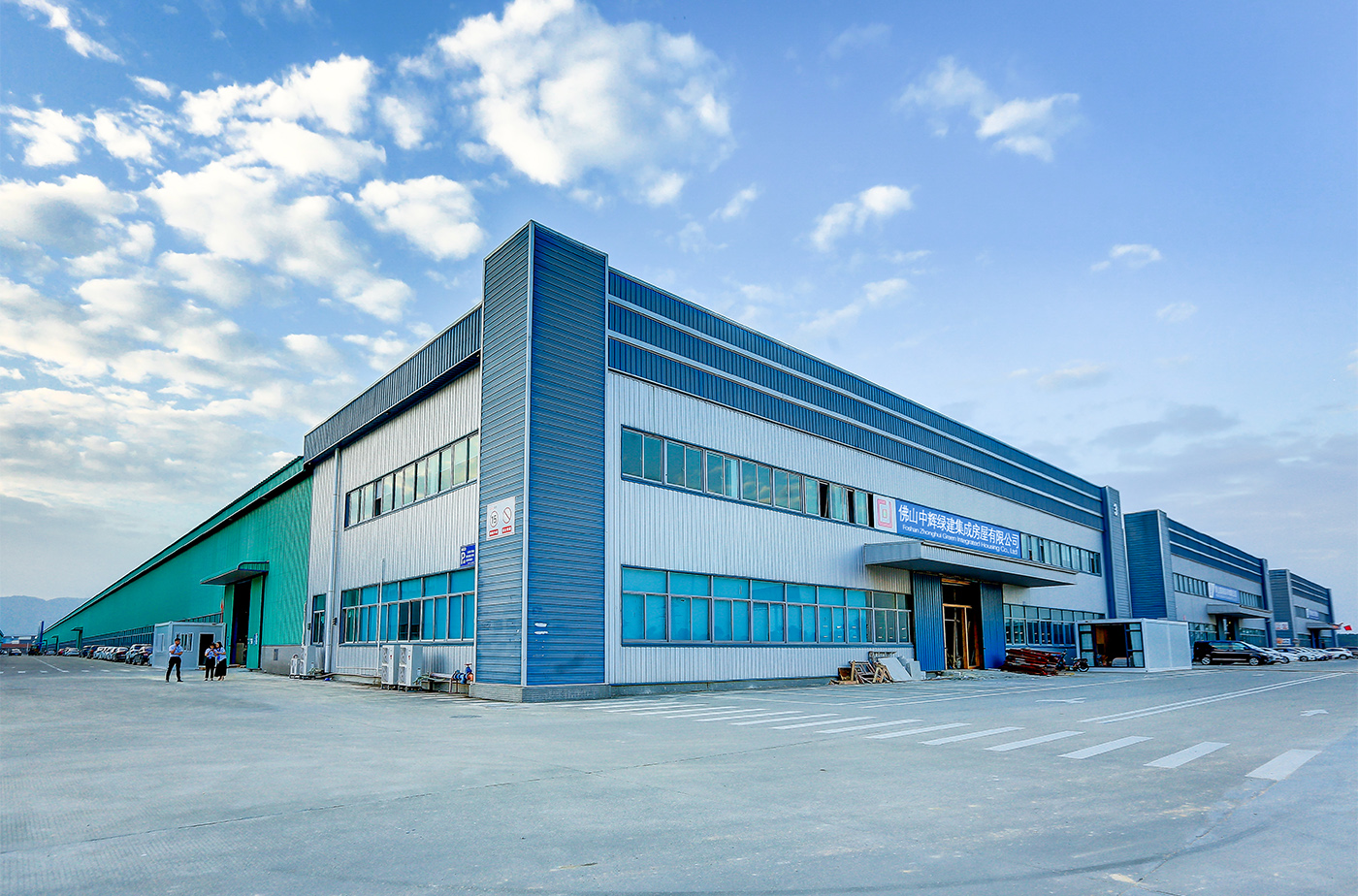
Foshan Zhonghui Factory Production Base

Foshan Zhonghui Green Building Integrated Housing Co., Ltd. (associated with Hong Kong and Macao Bay Area - Guangzhou) is a leading provider of design, research, development, sales, operations, and technical services for modular structures. We specialize in providing comprehensive box rental and manufacturing solutions for commercial, industrial, and civil construction projects globally.

Backed by our core founding team's 15 years of industry dedication, Foshan Zhonghui holds 46 invention patents and utility model patents. The company has earned prestigious industry recognitions, including the Container Creativity Floater Award, the Consumer Top Ten Official Love Brand, and is recognized as one of the Industry's Top Ten Influential Brands. These achievements place Zhonghui at the forefront of China's residential and commercial container industries, establishing it as a benchmark enterprise.
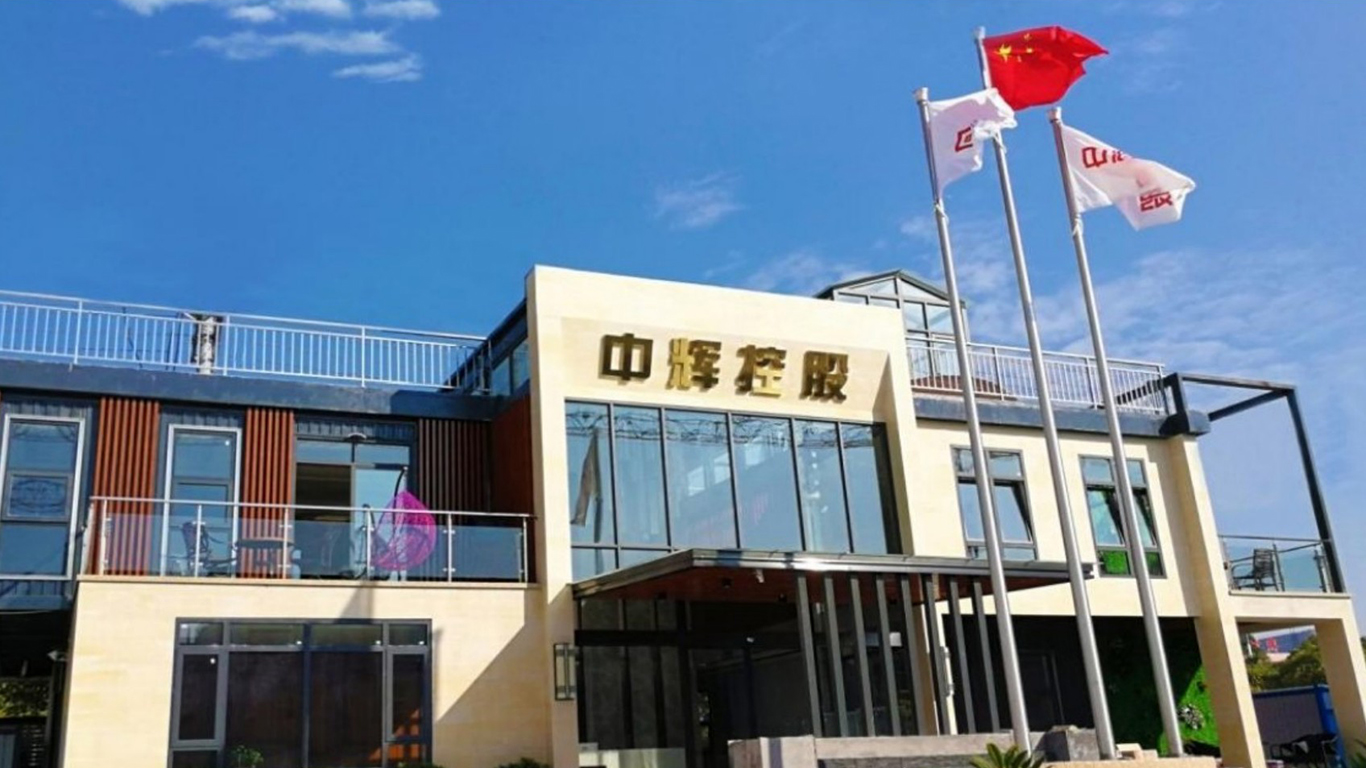
OUR TECHNICAL & PRODUCTION TEAM

Zhonghui Engineering Team Profile

Structural R&D Engineers

Focusing on wind resistance and anti-corrosive treatments for tropical climates.
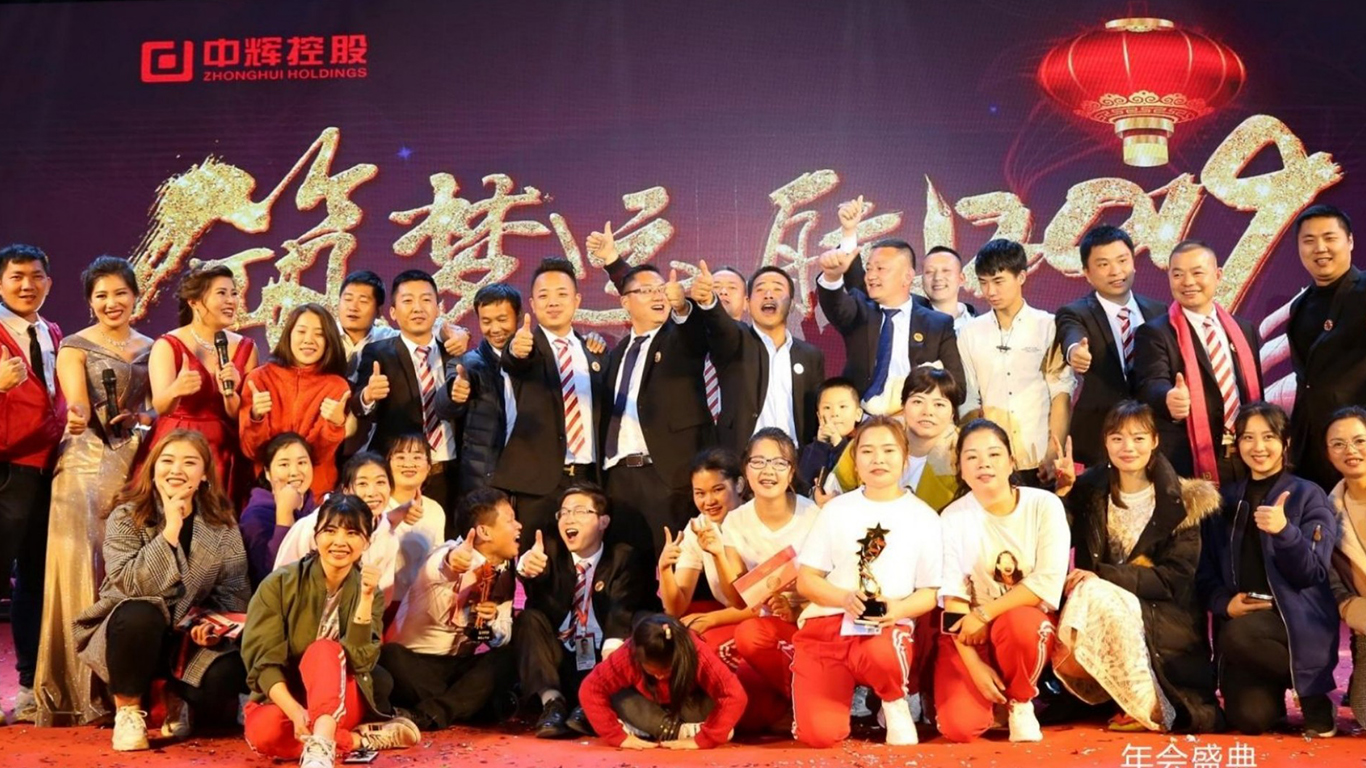
Zhonghui Operations and Logistics Team

Logistics & Shipping Coordinators

Managing customs clearances and container shipping to West African port hubs.
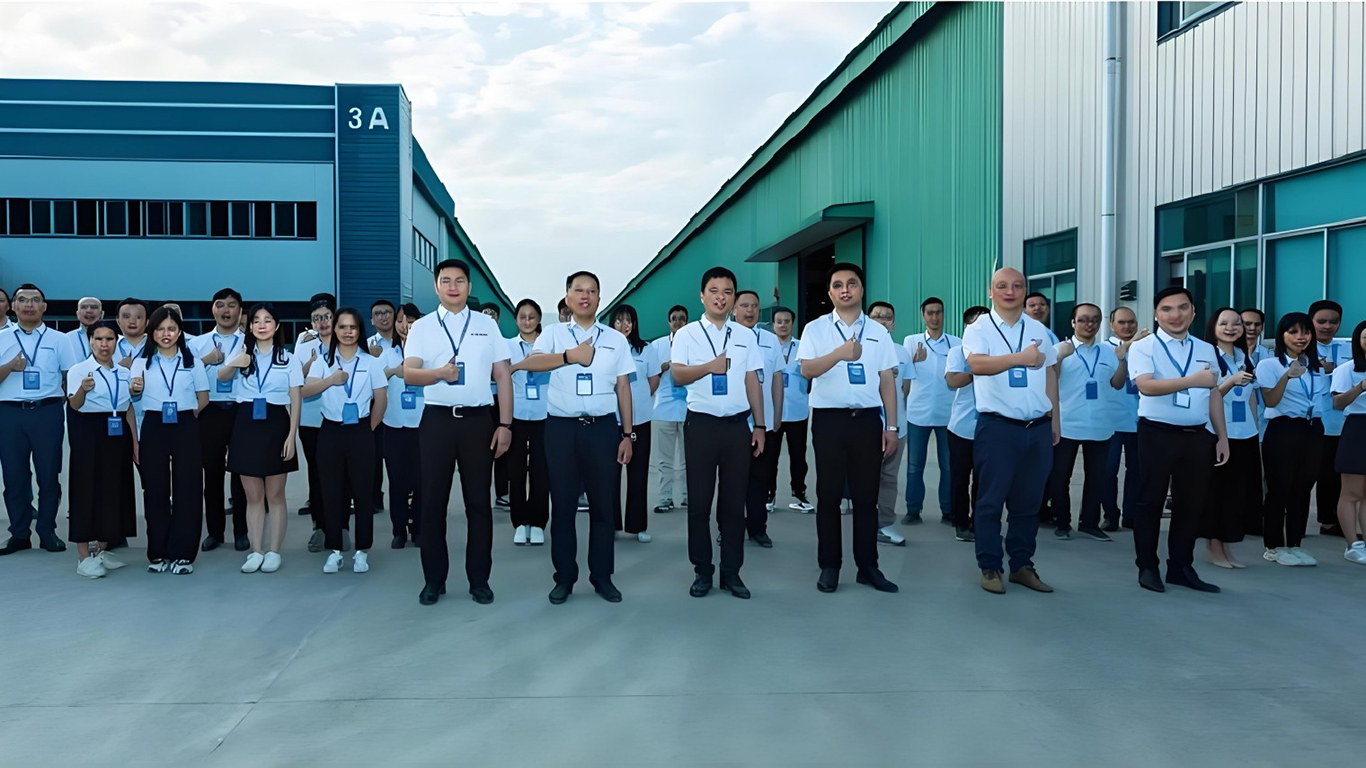
Zhonghui Assembly and Quality Control

Quality Assurance Inspectors

Ensuring precise dimensional tolerances and high-quality paint finishes.

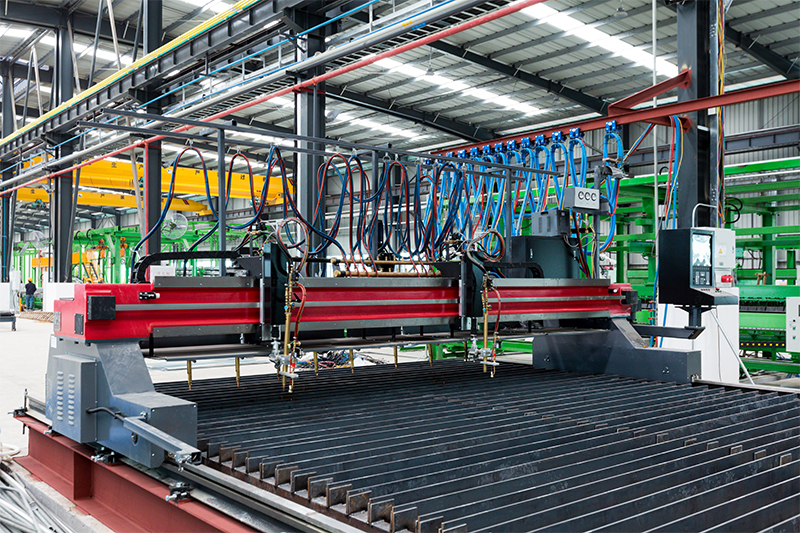
Our Production Workshop & Standards

State-of-the-Art Automated Manufacturing and Strict Quality Control
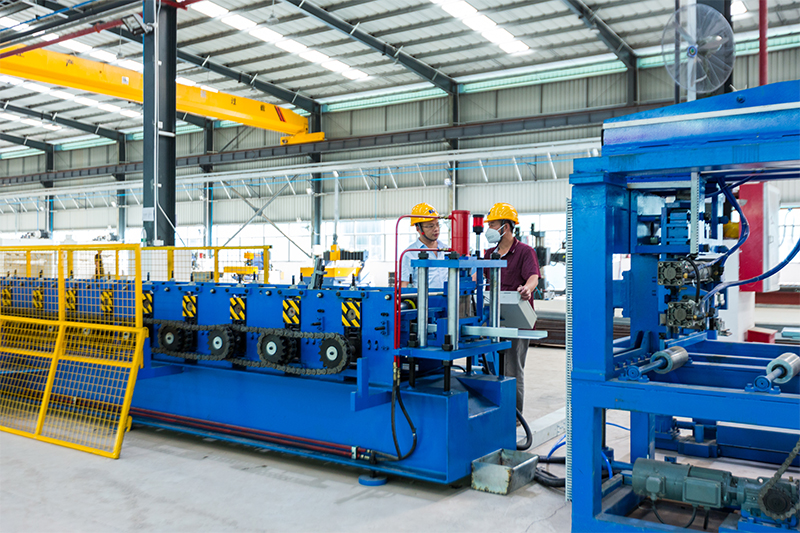
CNC Structural Steel Cutting Section
Automatic Galvanizing Line
High-Precision Frame Assembly Jig
Corrosion Resistance Epoxy Coating Line
Sandwich Panel Infill Press
Corner Post Welding Stations
Integrated Wiring and Plumbing Pre-Fitment
Ceiling & Flooring Structural Load Testing

Want to Tour Our Facilities Virtually?

Connect with our export representatives for a live video walkthrough of our production lines.

Request Video Tour

Range of Global & Local Applications

High-impact engineering solutions successfully deployed in key economic corridors.
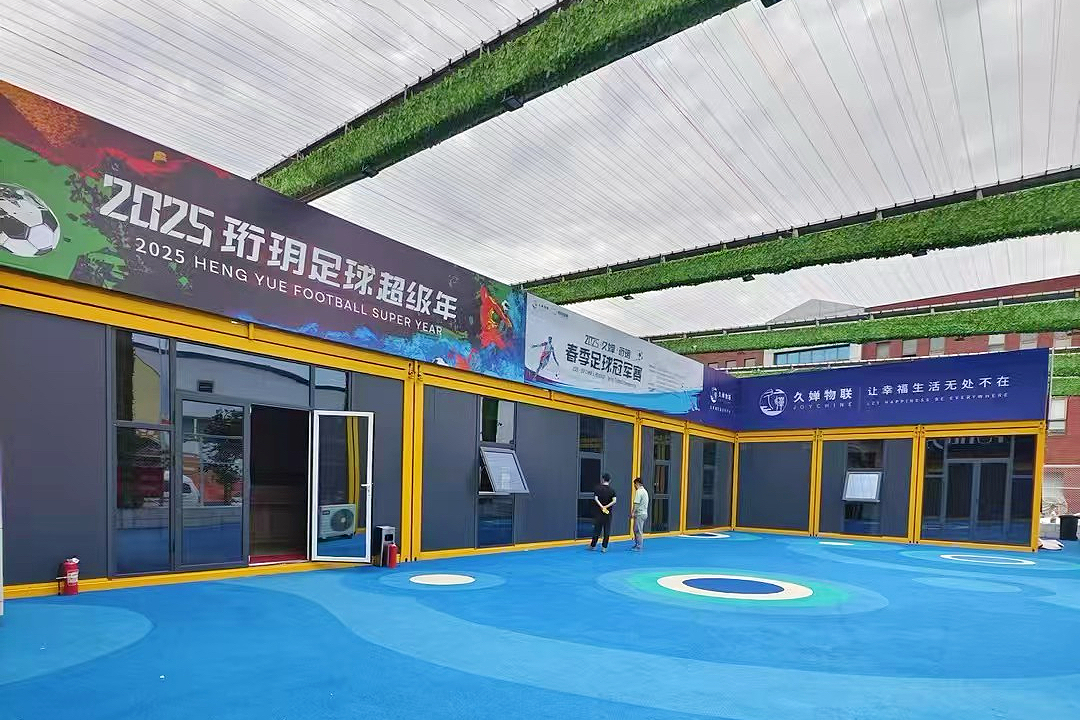
Modular Football Club in Equatorial Guinea

Modular Football Club Complex

Constructed in Malabo, providing players' locker rooms, administrative offices, and spectator facilities with modern, high-durability wall panels.

Request Case PDF
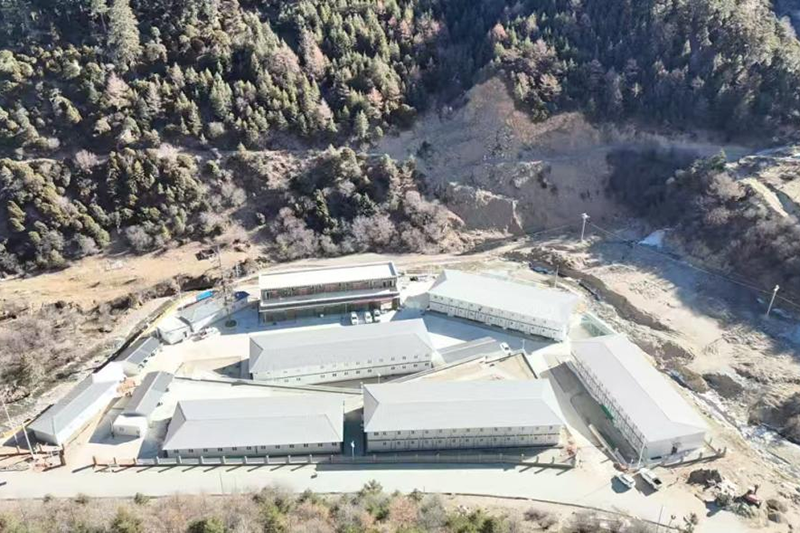
Chile Mining Camp Project / Equatorial Guinea Offshore Support Camp

Hydrocarbon & Mining Camps

A multi-unit housing project engineered to endure heavy coastal winds and marine atmospheric conditions, featuring integrated HVAC systems.

Request Case PDF
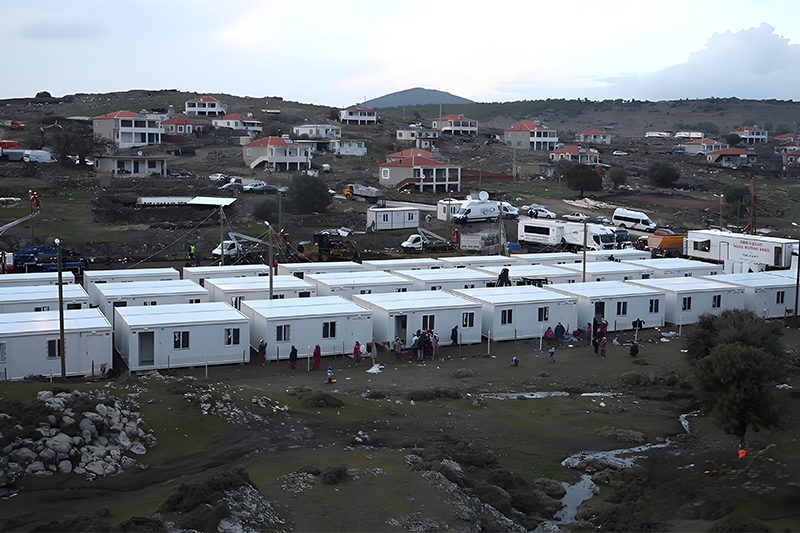
3000 Container Houses Delivery

3000-Unit Residential Project

A large-scale project demonstrating our manufacturing capacity and logistical capabilities for timely delivery and installation.

Request Case PDF
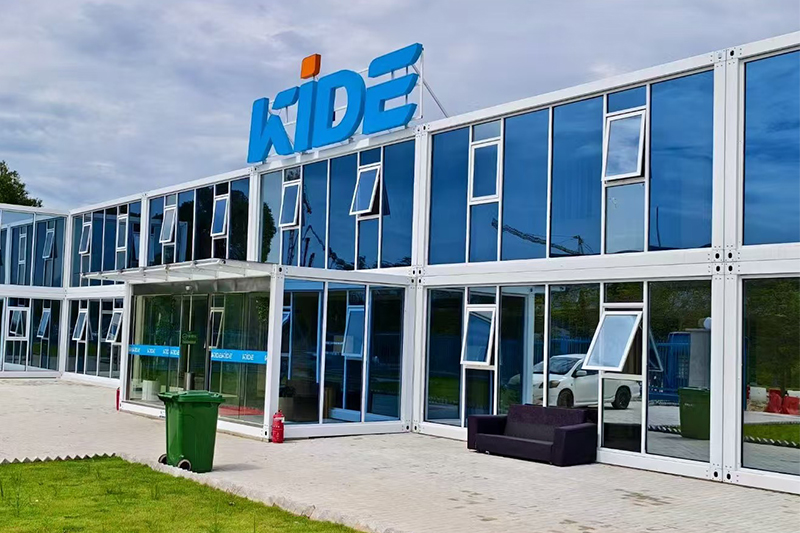
Construction Site Office Project in Malaysia / Malabo Site Office

Malabo Infrastructure Offices

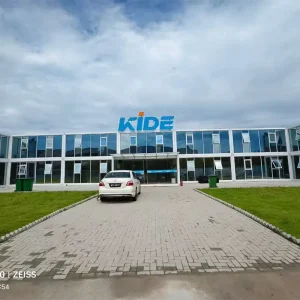
Double-story modular layout with a lightweight steel stairs system, designed to serve as a hub for highway development engineers.

Request Case PDF
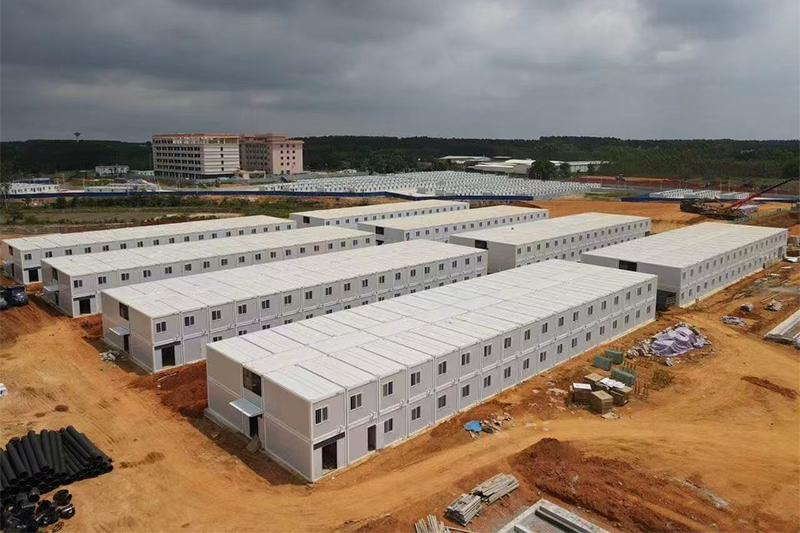
QuickBox Residency employees high capacity housing

QuickBox Staff Residency

High-capacity employee dormitory designed to maximize floor space efficiency while providing robust insulation in hot climates.

Request Case PDF
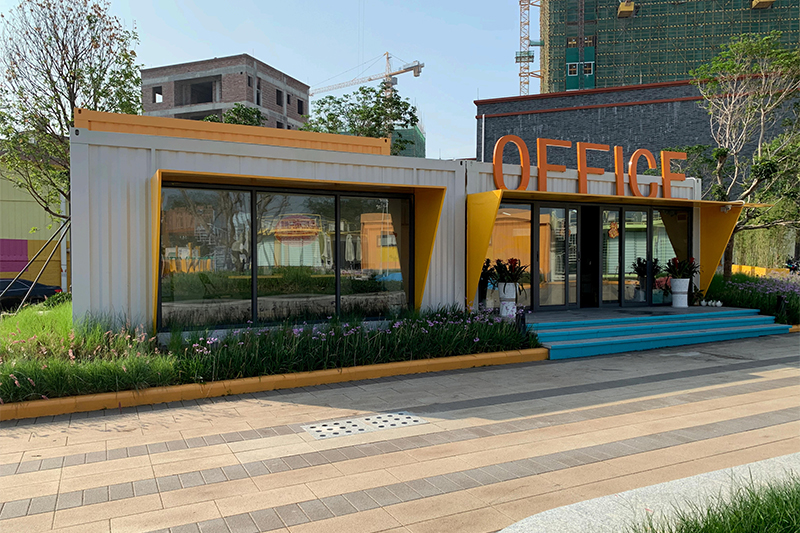
Commercial street and office project in Maui America

Bata Commercial Complex

A commercial street layout combining modular retail outlets, walkways, and balconies, presenting a modern aesthetic for urban areas.

Request Case PDF
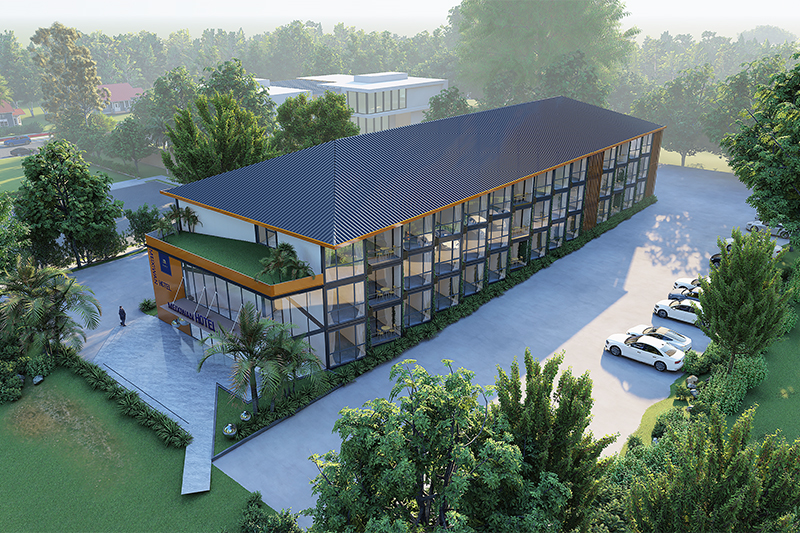
Seven Seas Container Hotel in Cambodia / Bioko Ecotourism Hotel

Bioko Island Coastal Hotel

A luxury resort utilizing customized glass facades and open-air decks, built to withstand coastal salt air with minimal maintenance.

Request Case PDF
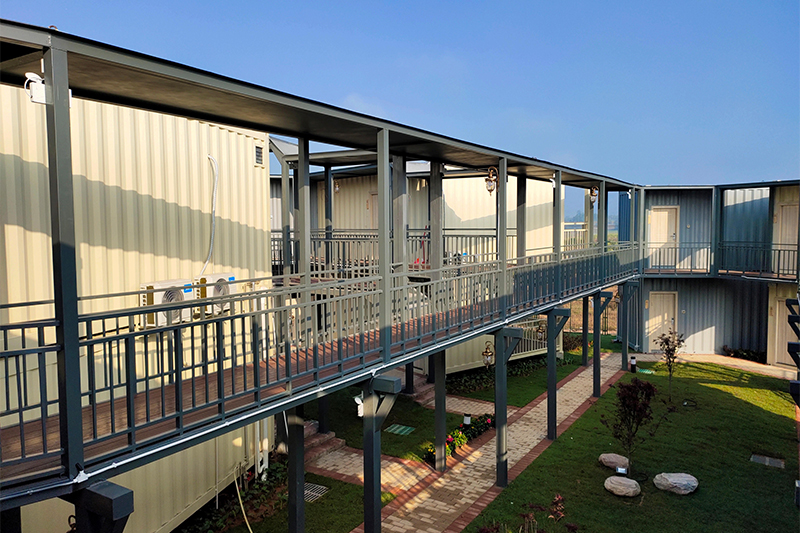
Container Resort Project in Huizhou Guangdong / Equatorial Guinea Leisure Complex

Luba Bay Leisure Village

A series of linked holiday cabins built for durability, featuring rain-shedding sloped roofs and highly efficient insulation.

Request Case PDF

Technical & Logistical Q&A

Expert Guidance on Shipping, Assembly, and Local Performance Specifications

Q: How do you transport flat pack container houses to Equatorial Guinea?
A: Units are shipped as consolidated flat-pack bundles. Four standard 20ft flat pack units are collapsed and joined to match the dimensions of a single 20ft ISO shipping container. This configuration enables us to ship them as shipper-owned containers (SOC), reducing sea freight costs. We regularly ship to the Ports of Malabo and Bata via direct shipping routes departing from major ports in South China.
Q: How does the thermal insulation perform under 35°C equatorial heat?
A: We utilize standard high-density (120kg/m³ for Rockwool, 40kg/m³ for PU) core panels. Standard 75mm panels effectively isolate external heat. When coupled with double-glazed, low-emissivity glass windows, our flat pack structures minimize solar heat gain, reducing local HVAC cooling demands.
Q: What is the typical lifespan of these structures in high-salinity zones like Luba or Bata?
A: With proper maintenance, the design life of our hot-dip galvanized and powder-coated steel frames is 20 to 30 years. To prevent corrosion in high-salinity areas, we recommend using high-grade C5-I anti-corrosion paint finishes and routine cleaning of the exterior cladding.
Q: What foundation work is required before assembling the modular units?
A: Unlike traditional brick-and-mortar buildings, flat pack containers require minimal foundation work. A level concrete strip footing or a series of concrete point piers at the container corner castings is sufficient. This reduces civil engineering costs and protects the natural landscape in ecologically sensitive areas.